From the arrival in Pina, in 1967, to the present day, year by year.
Facts, titles, films and records that mark the history of the Nação do Maracatu Porto Rico, gathered from the timeline organized by the Nação itself. The Recife Carnival results appear year by year, including when other nations took the title, to show how the competition between the maracatus changed over time.
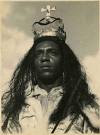
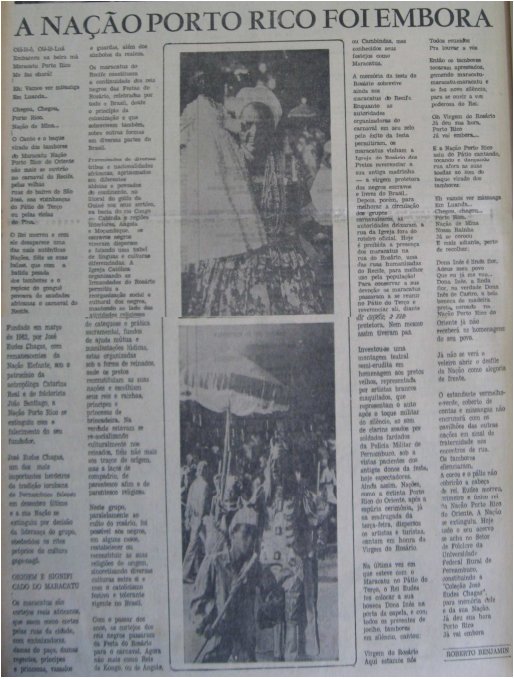
José Eudes Chagas, a well-known babalorixá, establishes the Nação do Maracatu Porto Rico in Pina in 1967.
The Noite dos Tambores Silenciosos, a ceremony held on Carnival Monday at Pátio do Terço, has its roots in the ritual in which Dona Santa and Maracatu Elefante danced for the eguns at the door of the Church of Nossa Senhora do Rosário dos Homens Pretos. After the queen's death, in 1962, the ceremony was carried on by the Tias do Terço: Eugênia, mother of Yayá and Sinhá, and their niece, Badia. From 1968 on, Paulo Viana, together with Edvaldo Ramos and Badia, gives the ceremony new life; it moves to the front of the Tias' house and gains visibility.
Zé Gomes, a small shopkeeper and the main organizer of Maracatu Nação Indiano in the 1960s, makes changes to the group to offer “a visual spectacle” on the Recife Carnival runway, parading with about two hundred performers by the end of the decade. Mestre Luiz de França leads Leão Coroado.
The parades are marked by the victories of Indiano, Leão Coroado and Estrela Brilhante, all with the presence of queen Dona Madalena. Eudes Chagas is unable to turn Porto Rico into a competitive maracatu against these groups.
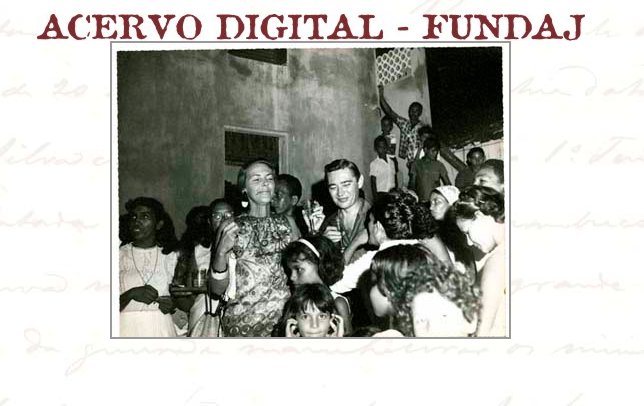
On March 26, Porto Rico do Oriente settles in Pina at the hands of babalorixá José Eudes Chagas, with the help of the legendary batuqueiro Veludinho and Mestre Luiz de França, and with the support of Katarina Real, an American anthropologist who played an important role in the organization of folklore in Recife. Recognized as a “representative of state folklore”, she received the title of Citizen of Recife while serving as general secretary of the Pernambuco Folklore Commission.
Biographer of Eudes Chagas, Katarina Real literally went to speak with the bishop to secure the coronation. The Archbishop of Olinda and Recife, Dom Helder Câmara, even agreed to crown the king personally if she obtained permission from a superior, which did not happen. Eudes was crowned by Reverend Dom Isaac Minervino Barbosa, bishop of the Order of Saint Chrysostom, of the Brazilian Church.
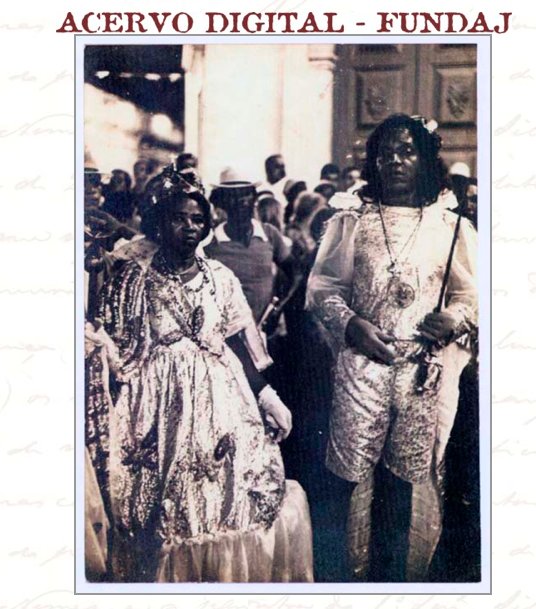
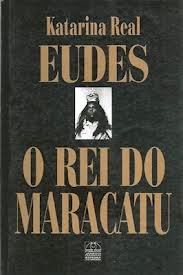
On December 10, King Eudes Chagas and Queen Dona Mera (Merolina Pimentel) are crowned at house 41 of Pátio do Terço, in downtown Recife, as recorded in the book Eudes, o Rei do Maracatu and in photos from the Fundação Joaquim Nabuco. According to Marcelo, Dona Mera was a yalorixá and had a terreiro.
Carnival: champion Leão Coroado, runner-up Indiano.
Under the command of Eudes Chagas, Porto Rico debuts in Recife with 12 drums and wins right away.
Eudes Chagas was Paulo Viana's partner in the Noite dos Tambores Silenciosos, and Porto Rico was the only maracatu present at every edition, from 1968 until the year of the king's death.
Carnival: champion Porto Rico do Oriente, runner-up Leão Coroado, third place Indiano.
Carnival: champion Leão Coroado, runner-up Indiano.
Carnival: champion Indiano, runner-up Leão Coroado, third place Porto Rico do Oriente, fourth place Estrela Brilhante.
Carnival: champion Indiano, runner-up Leão Coroado.
Carnival: champion Indiano, runner-up Leão Coroado, third place Porto Rico do Oriente.
Carnival: champion Leão Coroado, runner-up Estrela Brilhante, third place Indiano.
Carnival: champion Leão Coroado, runner-up Estrela Brilhante.
Carnival: champion Estrela Brilhante, runner-up Leão Coroado, followed by Cambinda Estrela.
Carnival: champion Estrela Brilhante, runner-up Indiano and Porto Rico do Oriente, third place Cambinda Estrela.
Carnival: champion Estrela Brilhante, runner-up Leão Coroado, third place Cambinda Estrela.
On December 15, José Eudes Chagas dies. By his widow's hands, Maracatu Porto Rico goes to the museum.
Carnival: category champion Indiano, runner-up Estrela Brilhante, third place Almirante do Forte.
Porto Rico does not parade. The members decide to take the maracatu out of the museum, with the help of folklorists and leaders such as Armando Arruda.
Carnival: champion Leão Coroado, runner-up Indiano.
Throughout the 1980s, some maracatus return to parade at the city's Carnival, such as Porto Rico, Estrela Brilhante and Elefante. In the 1980s and 1990s, organized Black movements, especially the Movimento Negro Unificado (MNU), work to value the maracatus, and the result of this struggle for the recognition of Black culture shows in the place they come to occupy at the beginning of this century.
In the 1980s, new things appear on the scene. Porto Rico, “revived” in 1981 through the efforts of Armando Arruda, who hands the group's future to Elda Viana, queen of the Nação, is largely responsible for most of these changes. Porto Rico needed to surpass a great maracatu queen, Dona Madalena, who was at Estrela Brilhante, champion of the 1981 and 1982 Carnivals (Ivaldo Lima, doctoral thesis).
In that decade, whoever led the percussion was called “diretor de batuque” (drum director). The term “mestre” is more recent.
With Dona Madalena leaving Estrela Brilhante at the beginning of the decade, that maracatu declines. The field of forces among the maracatus nação, a term coined by Ivaldo Lima, is reshaped, and the competition is now between Porto Rico, Elefante and Leão Coroado. At the end of the decade, Leão Coroado and Elefante reduce their activities, and Estrela Brilhante grows with the involvement of middle-class young people from the city, coming to compete with Porto Rico, the great champion of the decade.
On October 8, Elda Viana is crowned by canon Miguel Cavalcante at the Church of Nossa Senhora do Rosário dos Homens Pretos, in the São José neighborhood, in Recife.
She was the last maracatu queen crowned in a church: afterwards, the Vatican banned these coronations because of their link with candomblé.
The headquarters of the Nação becomes the Macaia do Oxóssi, Ylê Oxóssi Guangoubira, in the Pina neighborhood.
Porto Rico does not parade.
In the 1980s, Mestre Jaime is hired as apito director and leads the rehearsals on Sundays.
Carnival: champion Estrela Brilhante, runner-up Indiano.
Dona Elda's first Carnival parade as queen of Porto Rico, with 14 alfaias, 1 gonguê, 3 taróis and 4 mineiros.
Carnival: champion Estrela Brilhante, runner-up Indiano.
Carnival: champion Estrela Brilhante, runner-up Indiano.
After two years under the leadership of Elda Viana, the Nação becomes champion.
Carnival: champion Porto Rico, runner-up Estrela Brilhante.
Carnival: champion Porto Rico, runner-up Indiano.
The Nação Elefante reappears, with Dona Madalena as queen.
On August 2, the Urso Zé da Pinga is founded in Pina by members of the Centro Ilê Axé Oxóssi Gongobira, linked to the Jurema Sagrada. According to Edileuza Lira da Silva, president of the urso, the idea “came from a joke at our Center. Mestre José da Pinga, our entity, is very playful and said that when he was in the flesh he really liked women and loved being the urso”. After that, they consulted the entity about organizing a Carnival urso and, with its permission, founded Zé da Pinga.
Carnival: champion Porto Rico, runner-up Leão Coroado.
Carnival: champion Porto Rico, runner-up Estrela Brilhante.
Black journalist Paulo Viana, responsible for the Noite dos Tambores Silenciosos, dies.
Carnival: champion Elefante, runner-up Porto Rico, third place Estrela Brilhante.
Carnival: champion Porto Rico, runner-up Elefante.
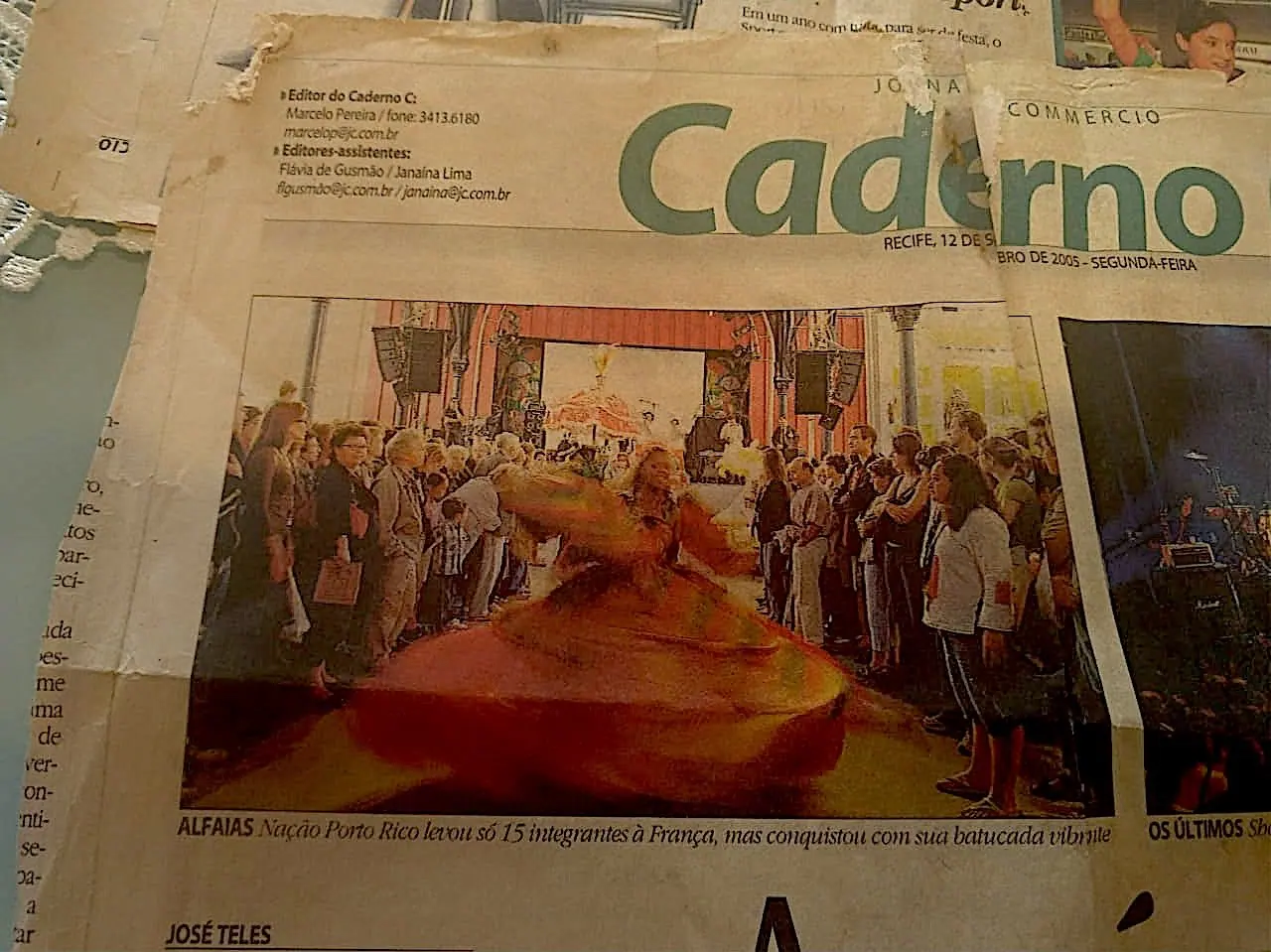
The Nação is chosen to represent the culture of Recife and travels to Europe. It plays at the anniversary of the city of Bonn, in Germany, and performs in Berlin, Hanover, Unna and Münster, also in Germany, as well as Brussels, in Belgium, and Barcelona, in Spain.
Mestre Chacon begins serving as assistant director of the Nação's batuque.
Carnival: champion Porto Rico, runner-up Elefante.
In the 1990s, the Nação wins most of the Recife Carnival titles, becomes the subject of a BBC film and starts training a new generation in the Baque Mirim.
Carnival: champion Porto Rico, runner-up Elefante.
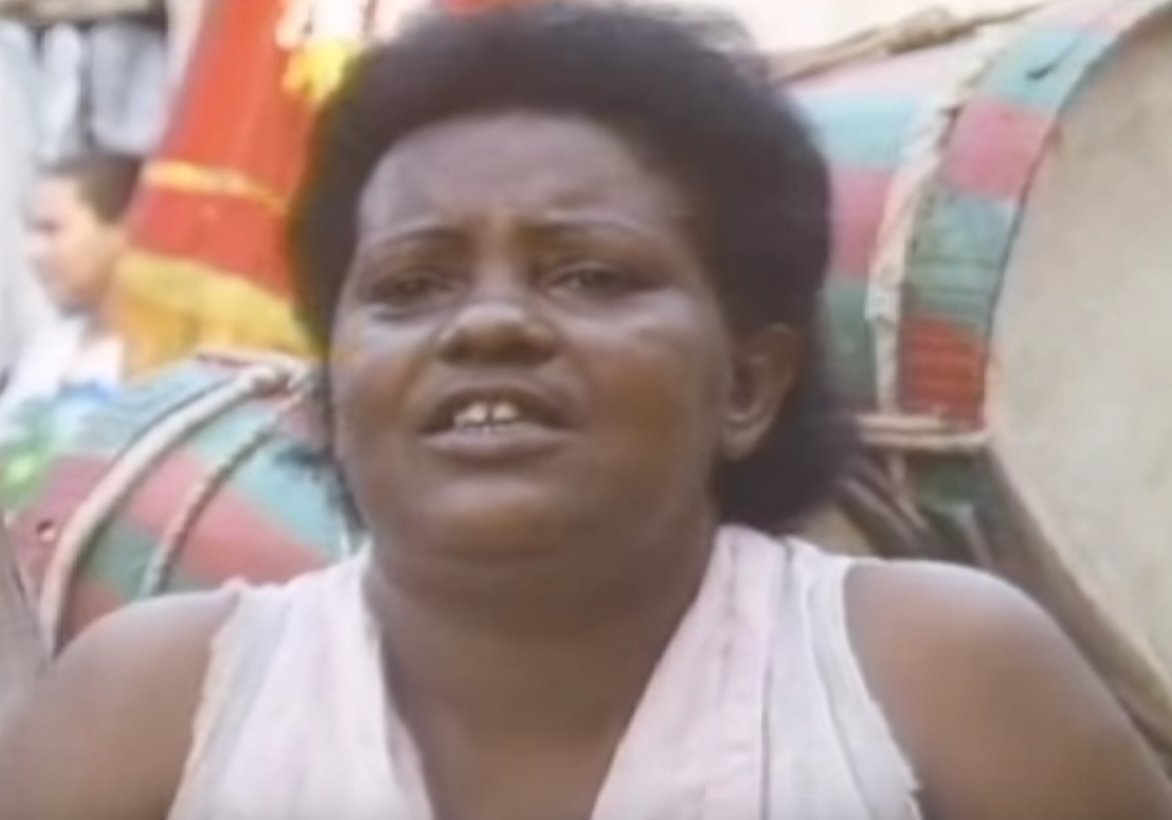
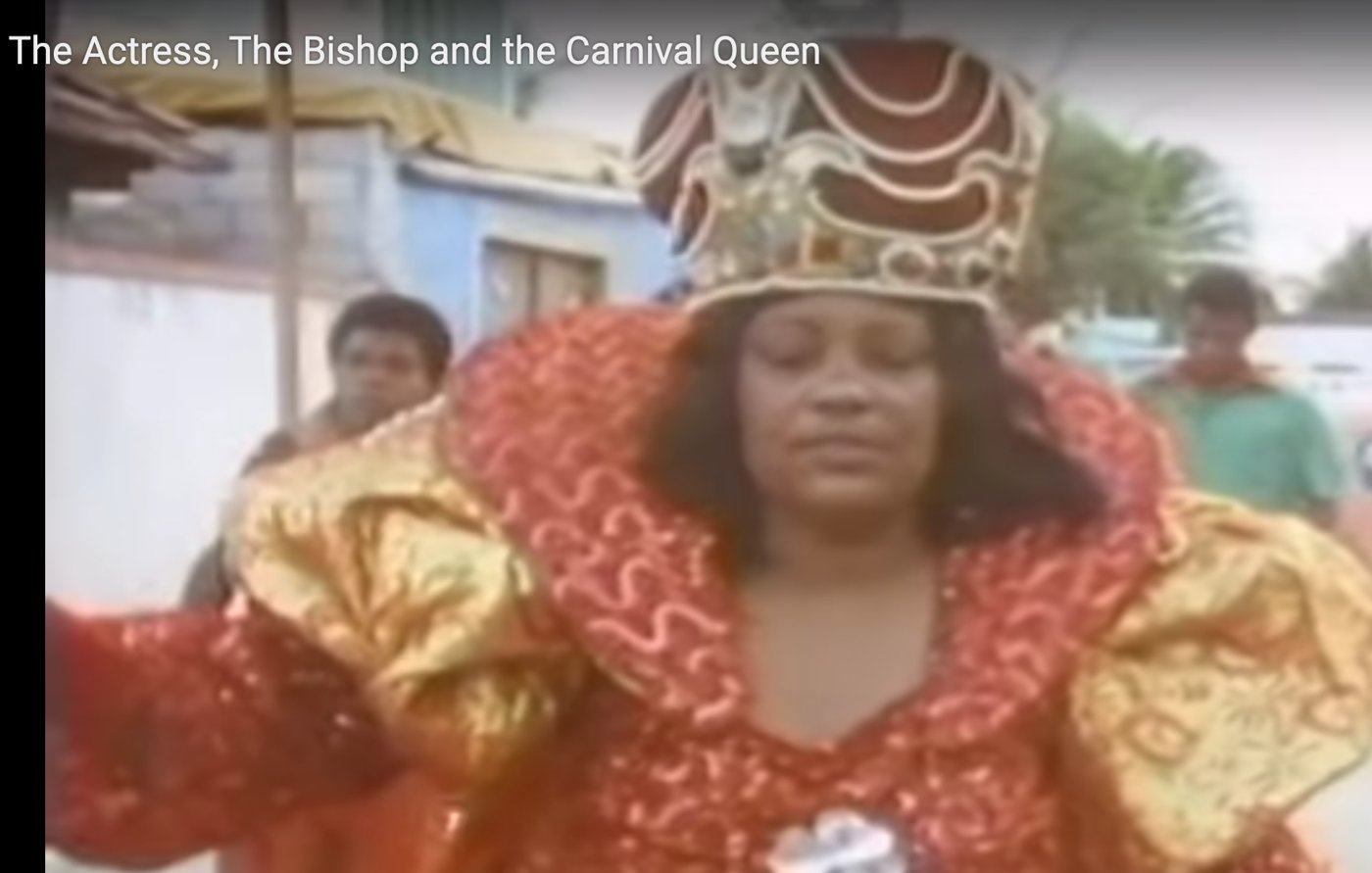
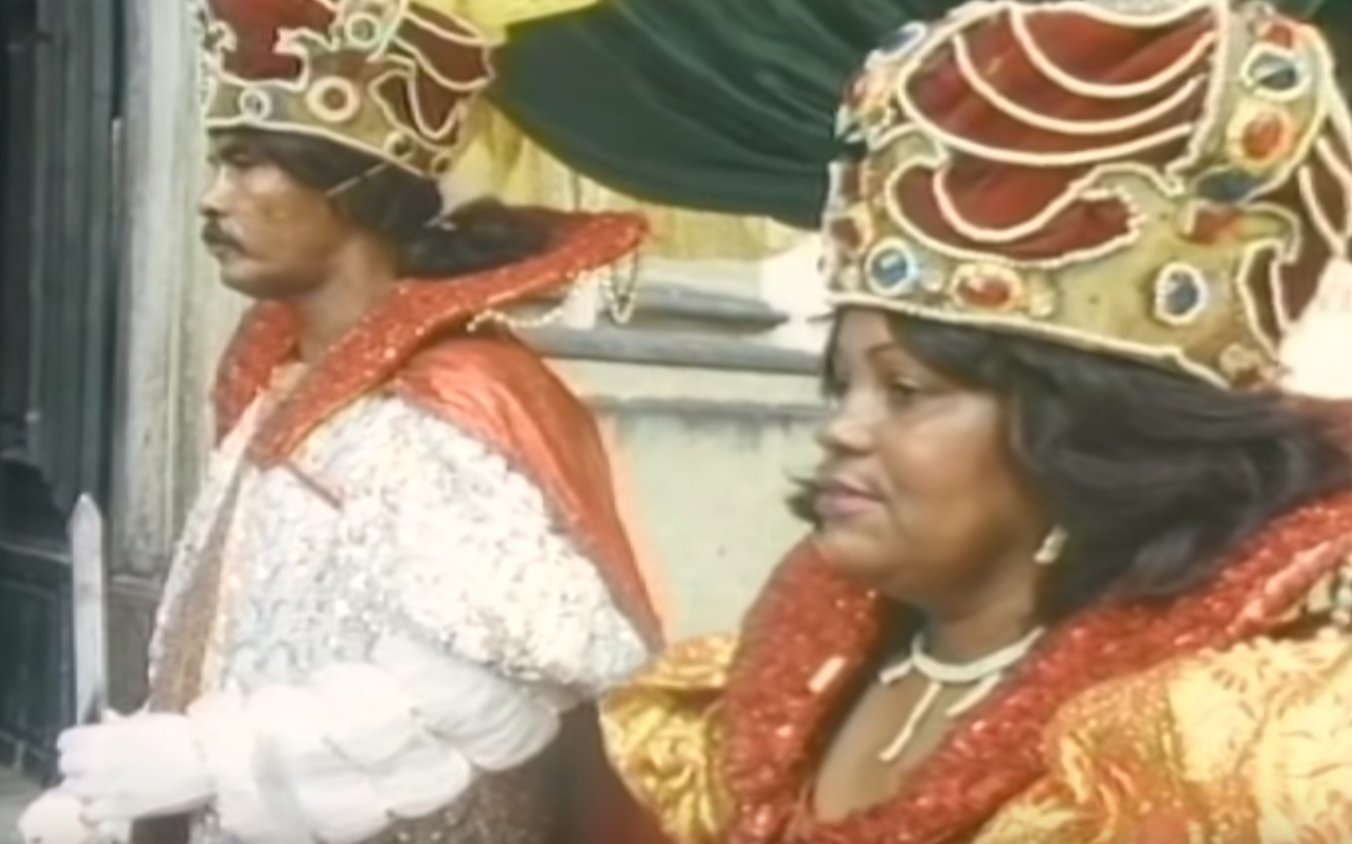
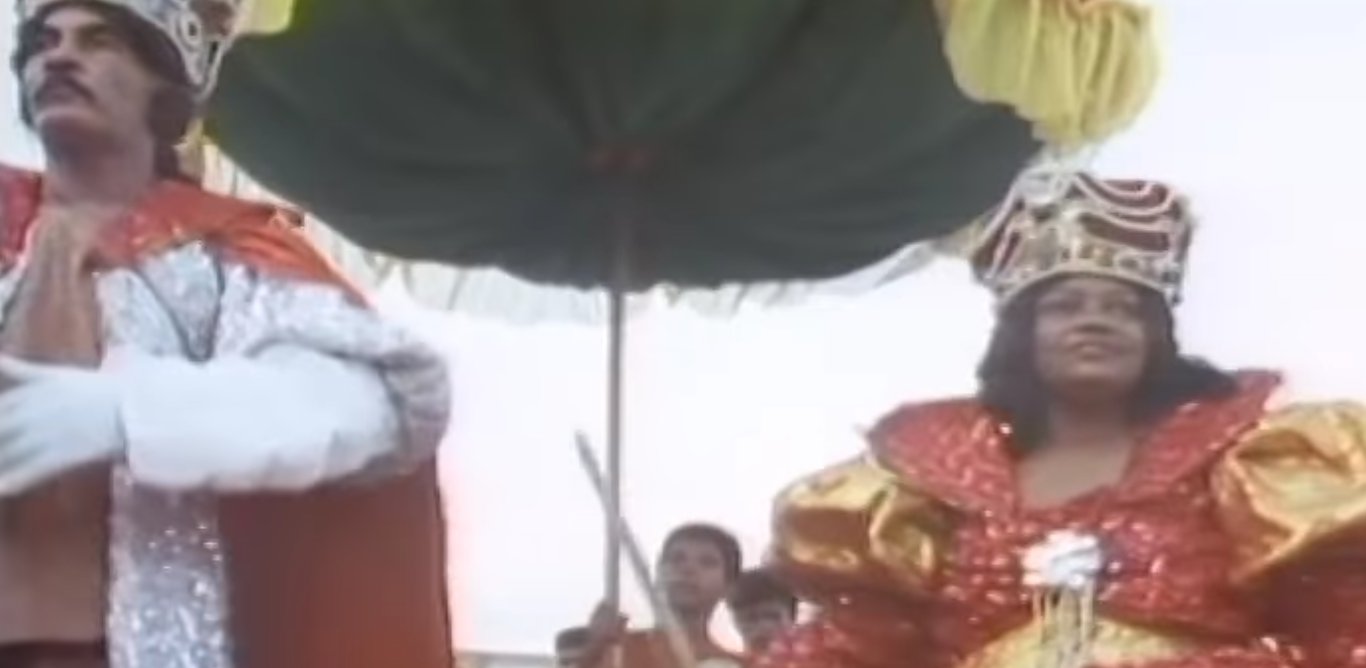
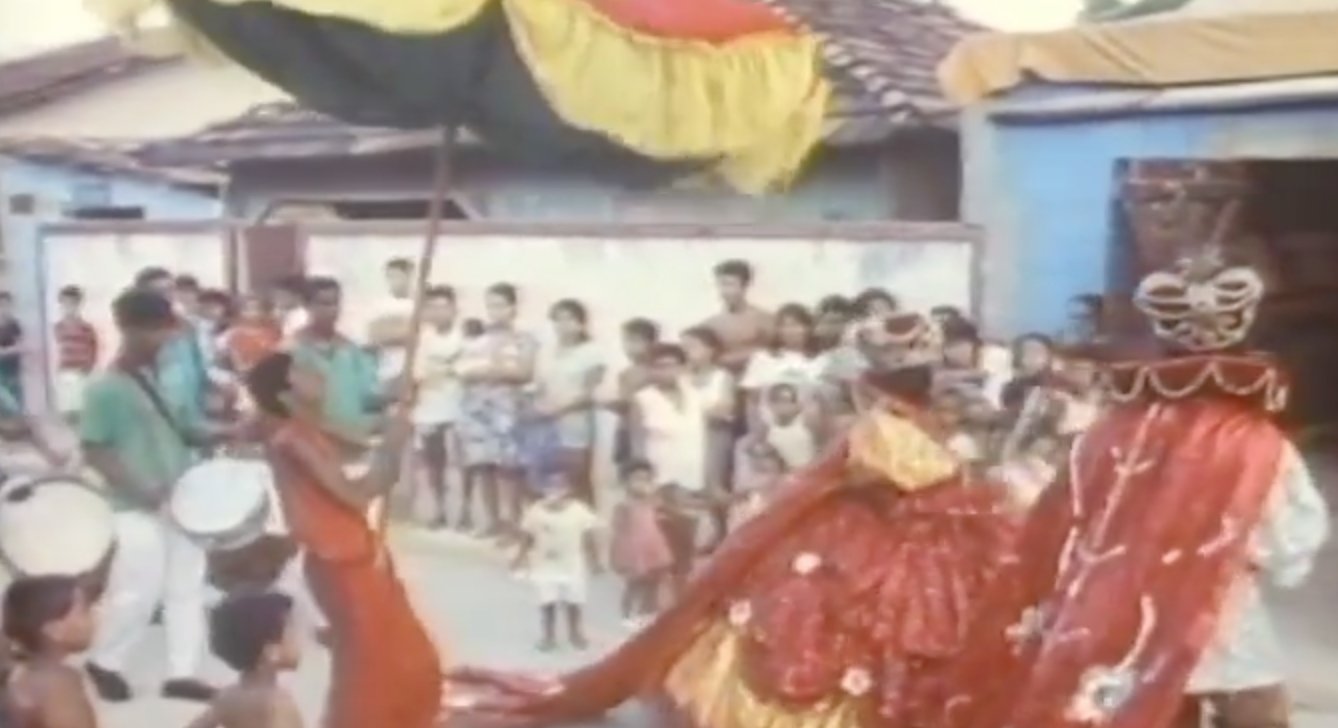
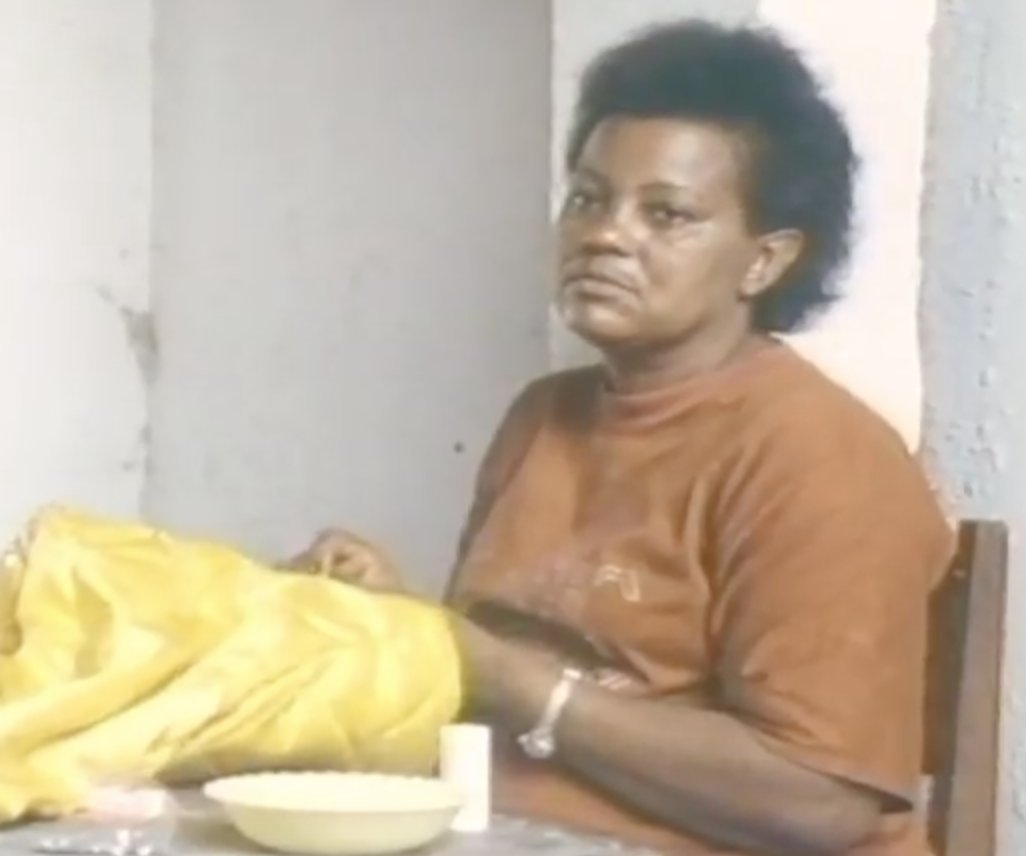
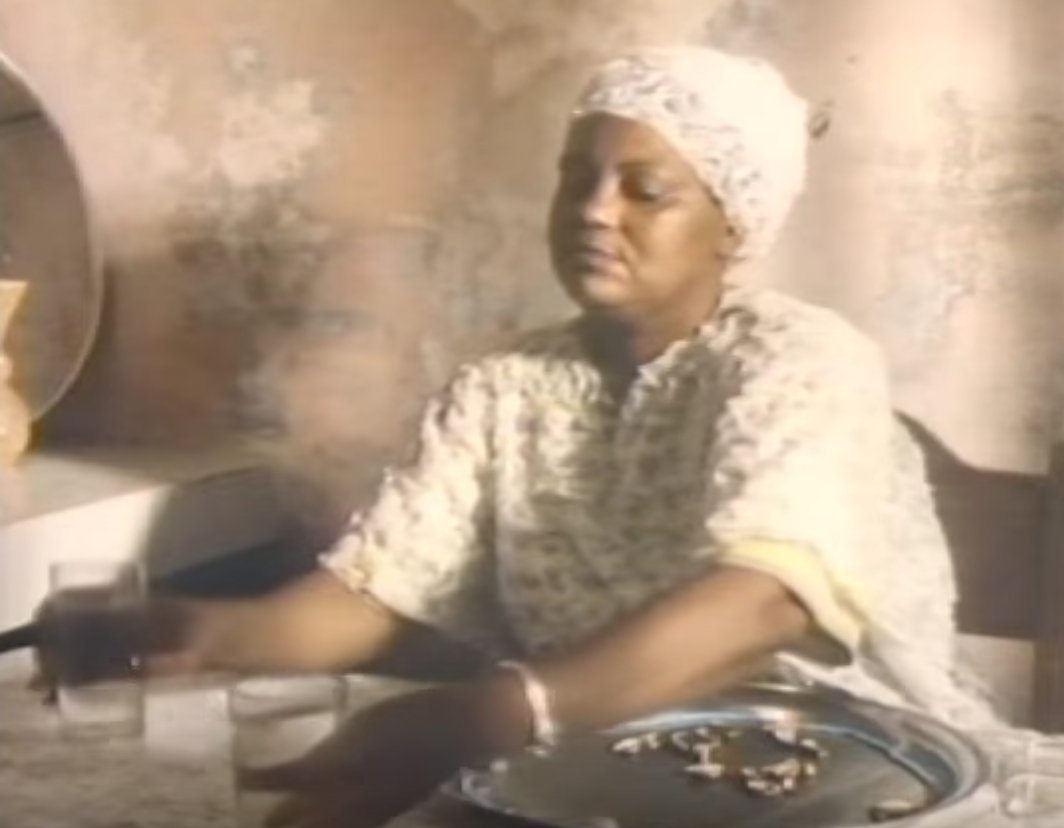
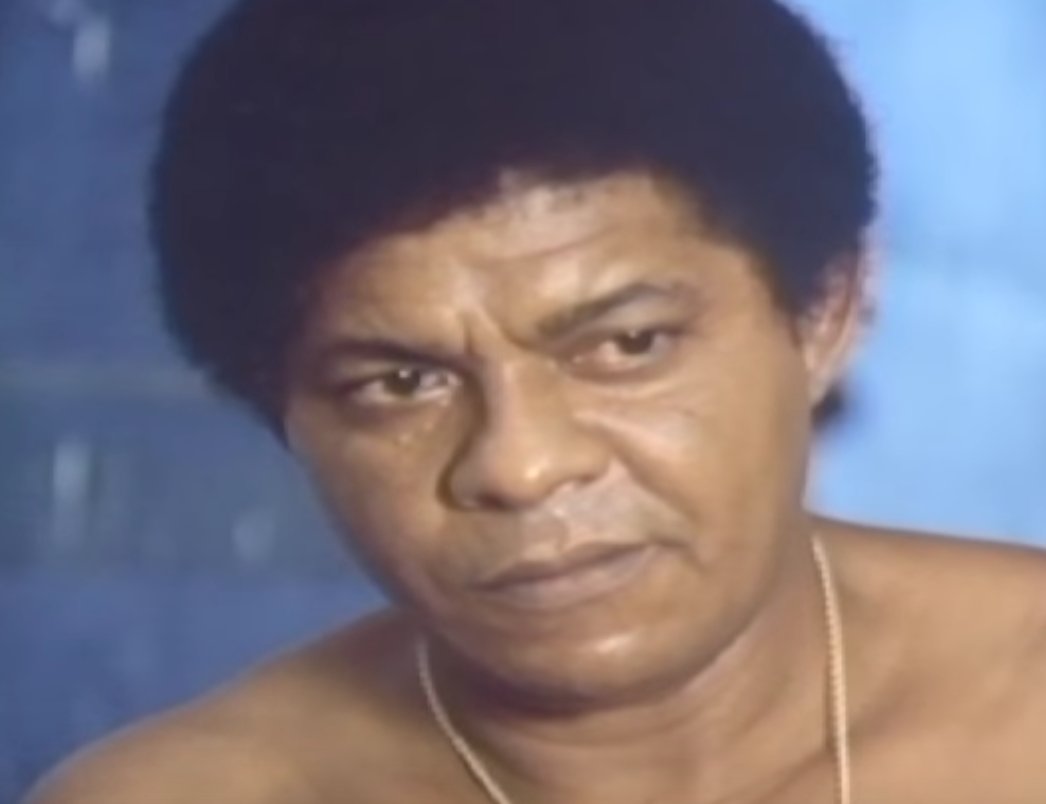
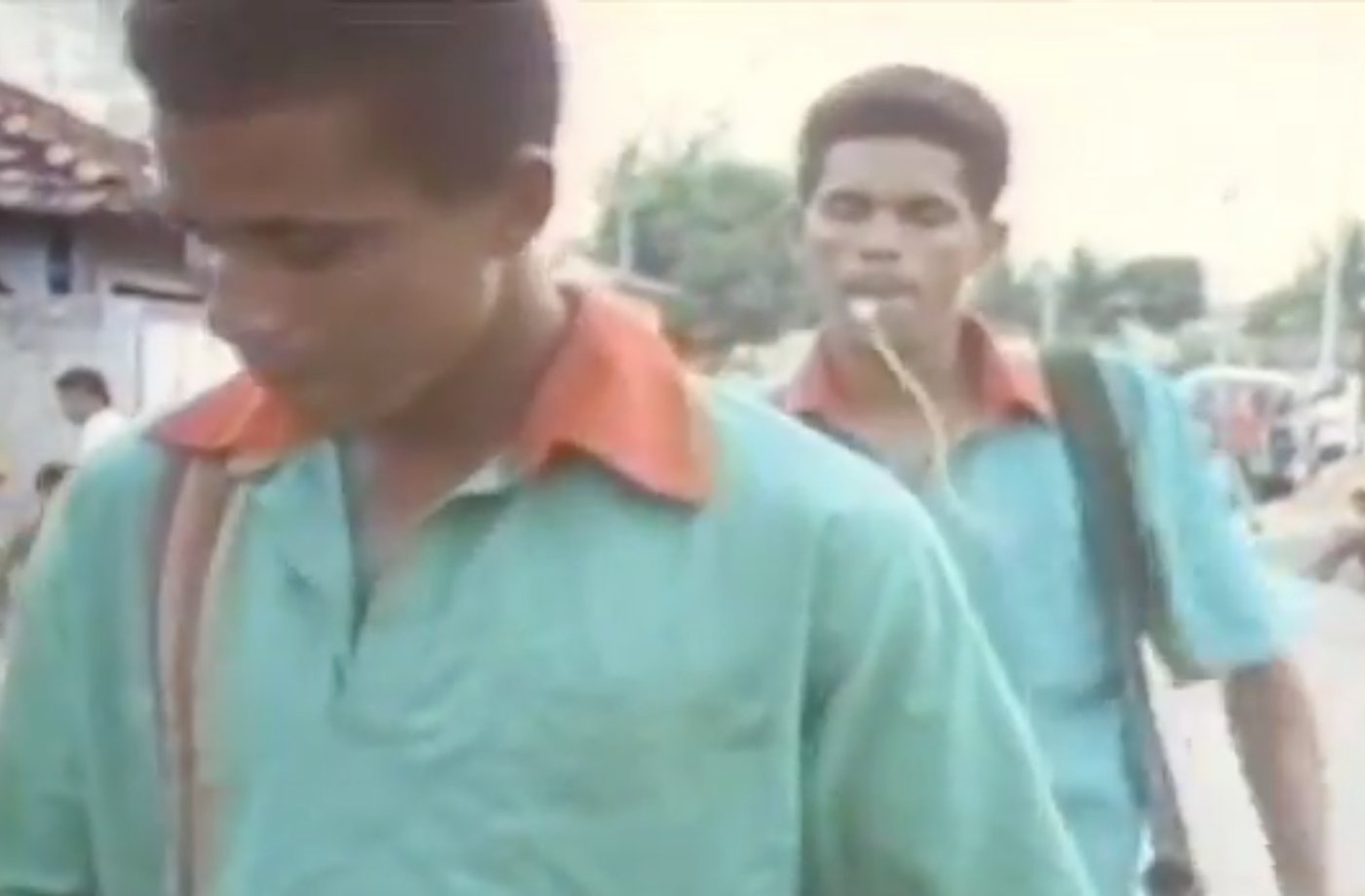
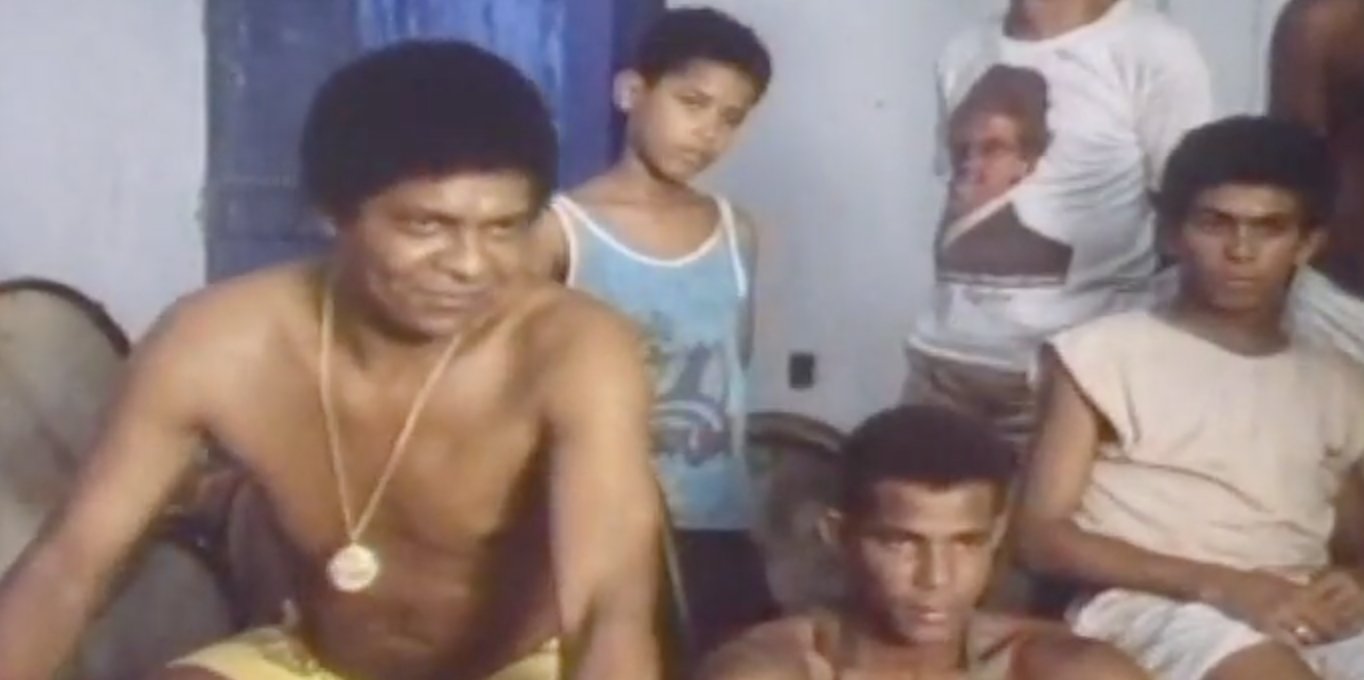
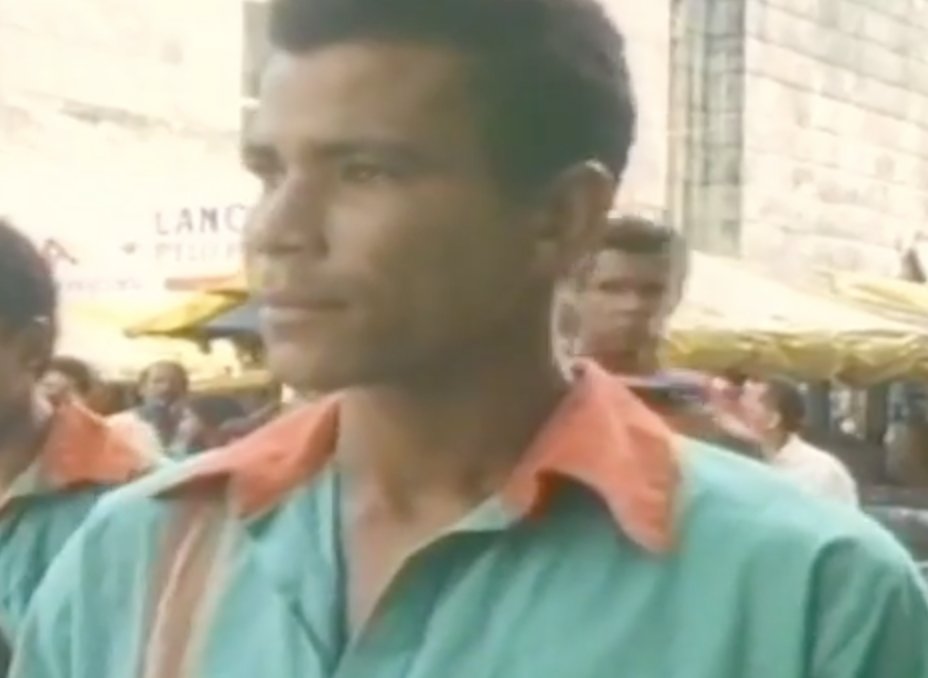
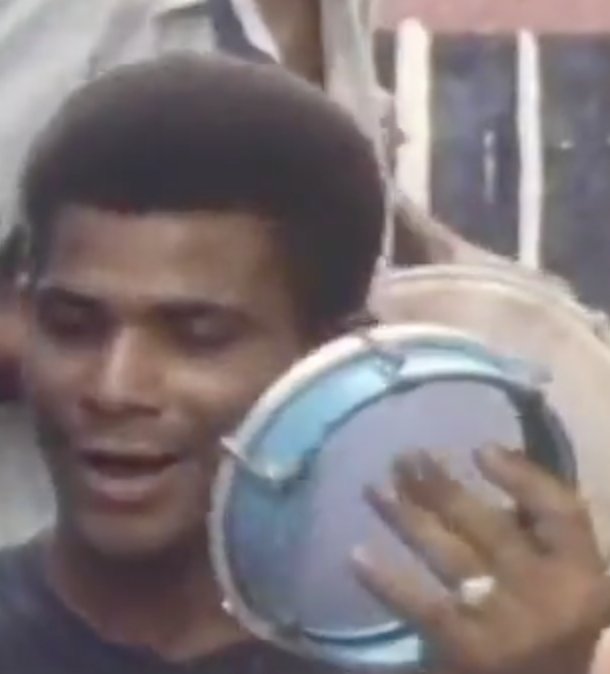
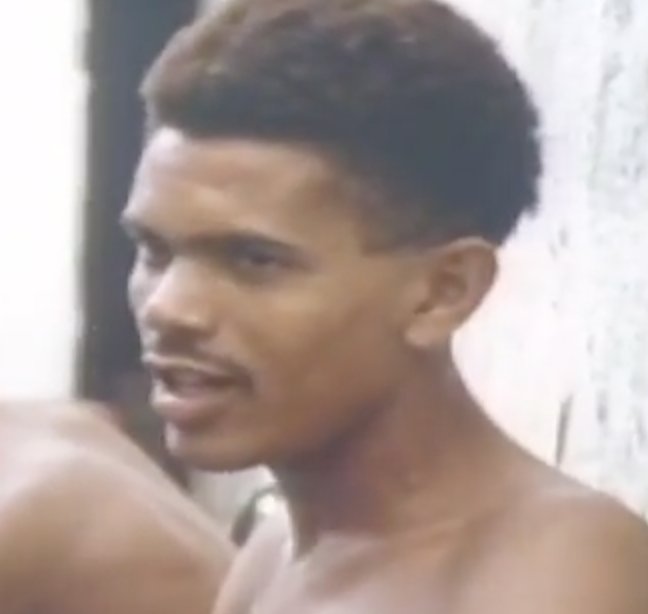
The Actress, the Bishop and the Carnival Queen (BBC, Great Britain, 1991) is a 50-minute documentary with fictional elements, directed by Howard Reid. The film shows the Recife Carnival and the rivalry between Maracatu Porto Rico and Maracatu Elefante. Dona Elda is the great star of the film. She presents herself as queen and president of the maracatu, beside her husband, Zeca, as king. A very young Mestre Chacon appears in the film playing the alfaia with the whistle in his mouth, but in the parade the singer is Mestre Jaime, then head of the drum section.
“If today the work of candomblé is for me to go to church, to receive mass, the priest's blessing, then that was my work today, so I must go straight to church. I go to church when candomblé allows me to go to church.” (Elda Viana, yalorixá and queen of the maracatu, in the BBC documentary)
Carnival: champion Elefante, runner-up Porto Rico.
José Gomes, of the Nação Indiano, dies.
Carnival: champion Elefante, runner-up Porto Rico.
Mestre Walter becomes mestre of Dona Marivalda's Estrela Brilhante.
Carnival: champion Porto Rico, runner-up Elefante.
Carnival: champion Porto Rico.
Carnival: champion Elefante.
Carnival: champion Porto Rico.
Beginning of Porto Rico's Baque Mirim.
Carnival: champion Porto Rico.
Encanto da Alegria is born.
Carnival: champion Porto Rico.
Mestre Chacon, who had been serving as assistant director of the batuque since 1989, officially takes over the Porto Rico's apito and begins leading the batuque.
Carnival: champion Porto Rico, runner-up Elefante, third place Estrela Brilhante.
BBC, 1991, with English subtitles
With Mestre Chacon leading the batuque from 1999 on, the Nação records its first CD, welcomes researchers and filmmakers, and takes the Baque das Ondas to workshops across Brazil and the world.
Rosinete and Dona Madalena die.
Release of the CD No Baque das Ondas, by the Nação do Maracatu Porto Rico, with support from SIC-PE.
Carnival: champion Porto Rico.
Marivalda is crowned by queen Elda Ivo Viana, of the Nação do Maracatu Porto Rico, and by babalorixá Raminho de Oxóssi.
“Before the coronation, and not only before the coronation but before the avenue, at Carnival, we have to take great care of Exu, because Exu is the owner of the Carnival play; he is the one who keeps evil away from us so the enemy doesn't come near, so that we have a good Carnival, a good celebration, a good performance. Not only Carnival but any kind of performance, we have to take great care of Exu. And take care of the king and the queen, who are Xangô and Iansã. So to this king we must give the sacrifice of a sheep, and to Iansã we must also give a sacrifice, and so on. Then, taking care of these three orixás, we can go out at peace, the street is protected; and so are our heads. So the wax and wood doll, Dona Inês, receives a sacrifice together with Iansã. The doll Dona Bela receives a sacrifice together with Exu. And the doll Dona Elisabete receives fruit at the feet of Mother Oxum. Then the strength comes; then the good story comes, everything good that we offer, everything good that we want, seeing the maracatu.”
(Elda Viana, queen of Maracatu Nação Porto Rico, in an interview recorded by Janote Pires Marques, Recife, December 2002)
Carnival: champion Porto Rico.
Carnaval de Sujo with Urso Zé da Pinga of Recife.
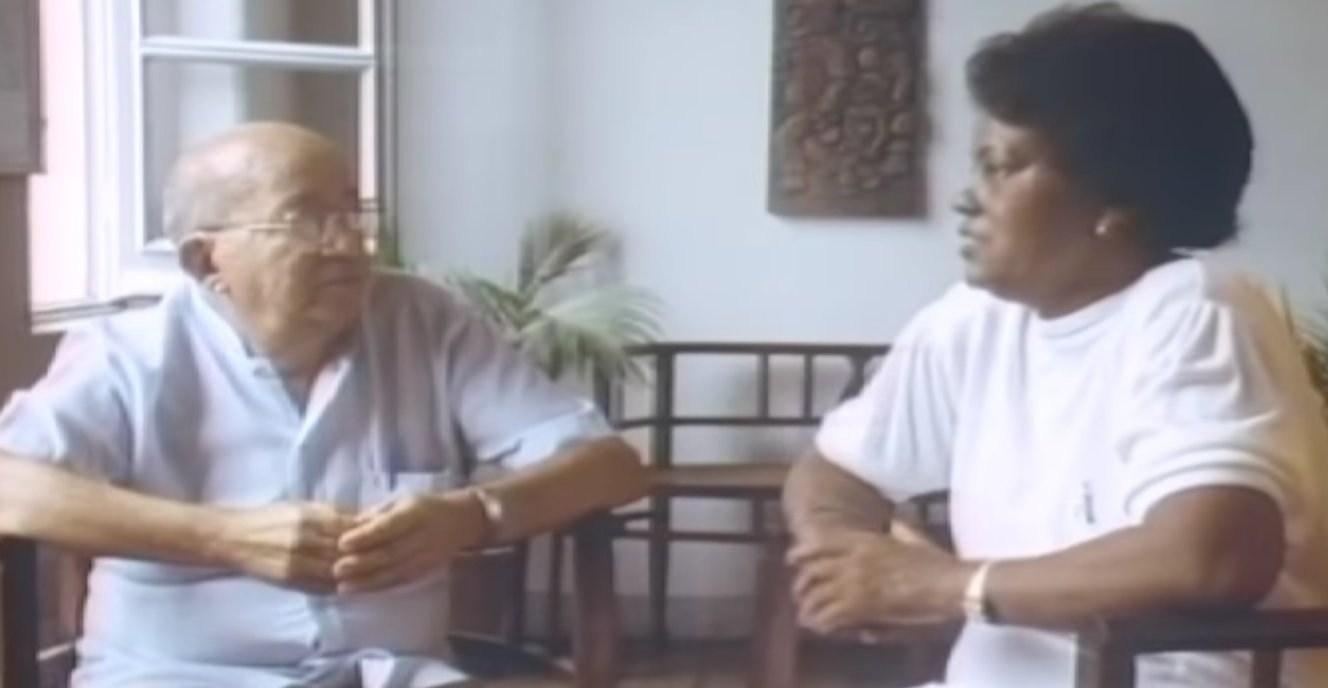
Filming begins for Maracatus, Ritmos Sagrados, a short documentary and dissertation by Eugênia de Freitas Maakaroun. On her first visit, in January 2003, she talks with Dona Elda and films Mestre Chacon teaching, while the boy Walace shows the rooms of the headquarters. On the second visit, she delivers the filmed material. On the third, Dona Elda authorizes the use of the images, and the fourth visit takes place in 2005.
On October 23, the Museu Afro Brasil opens in Ibirapuera, São Paulo.
Release of Batuque Book, by Climério de Oliveira Santos and Tarcísio Santos Resende, a book and video recording the baque of some nations.
Maracatus, Ritmos Sagrados: Eugênia de Freitas Maakaroun, a filmmaker from Minas Gerais based in Rio de Janeiro, spent a few months in Pernambuco with her team, where she directed and produced the short film about the origins of the state's centuries-old nations. The work is also her master's dissertation in Visual Arts at the School of Fine Arts of UFMG (advised by professor Heitor Capuzzo Filho, Belo Horizonte, 2005), with interviews carried out in 2003 and 2004.
Carnival: champion Porto Rico.
Visões de dentro is a video made from the experience of members of the Associação Cultural Arrasta Ilha, from Florianópolis, at the Nação, in Pina, in January 2005. It brings moving testimonies from Queen Elda and several people who remain in the Nação, such as Giva, Douglas, Mão, Cao, Leleu and Capitão, as well as others who have passed.
Timaracatu is research carried out in the INOV-Art/DGArtes project, of Portugal's Ministry of Culture, in partnership with the Ethnomusicology Center of the Music Department at UFPE.
Carnival: champion Porto Rico.
Carnival: runner-up-champion Porto Rico.
Maracatu Escócia pays tribute to the Nação Porto Rico.
Parade of the Maracatu Nação Porto Rico workshop with Mestre Chacon in Itajaí, with the city's History Museum in the background.
Mestre Chacon also takes his workshops abroad, as in the course announced in France in 2010 (see announcement).
Tribute to the Nação by Banda Andaluza at the launch of the CD Pedra da Fusão, at the PréAmp festival, in Recife, in January 2008.
The Nação performs at the official parade, in Bomba do Hemetério and on Boa Viagem Beach, through the Verão Total project, and on November 16 with Nina Mattos: “Ô bate o bombo, segura o baque, não deixe o baque cair, Porto Rico batiza a virada com toda a alegria pro povo sorrir!”
Photos by Carol Santos at the Garanhuns Festival (see on Flickr).
Record of an educational activity at the Nação's headquarters.
Carnival: champion Porto Rico.
Vila da Fábrica, Camaragibe
Rare video: a majestic and vibrant Porto Rico
Vila da Fábrica, Camaragibe
Vila da Fábrica, Camaragibe
Documentary by Eugênia Maakaroun, 2005, in Portuguese with English subtitles
Experience of the Associação Cultural Arrasta Ilha, 2005
INOV-Art/DGArtes and UFPE research
INOV-Art/DGArtes and UFPE research
2007
Recife Carnival
Darrum and Batuqueiro Olha a Onda
November 16, 2008
2008
Verão Total project, 2008
Recife Multicultural Carnival
Recife Carnival
Carnival groups stage, 22 February 2009
Night of the Silent Drums, 2009 Carnival
Recife Carnival
2009
The Nação becomes a Ponto de Cultura, has its baque recorded by UFPE, recovers a missing calunga and reaches 100 years honored by the Recife Carnival.
A tie with Estrela Brilhante, and the Dama do Paço category gives them the title.
Recordings and interviews for the Cultural Inventory of the Maracatus Nação, due for release in 2011: interviews with Mestre Chacon and with Pai Marcelo, who tells part of the story of Eudes Chagas.
In July, Dona Elda travels to Santos, in São Paulo, and takes part in the city's Virada Cultural. On July 5, she gives a talk to the workshop leaders and members of Quiloa about her story in the Nação, the composition and meaning of the elements of the procession and the importance of the maracatu dolls. At the end, Mãe Elda enchants everyone by dancing and singing loas of the Nação.
Carnival: champion Estrela Brilhante, runner-up Porto Rico.
Recording of Maracatu Porto Rico for the project Inventário Sonoro dos Maracatus Nação de Pernambuco, funded by Funcultura and carried out by UFPE's Oral History and Image Laboratory (LAHOI).
The Nação do Maracatu Porto Rico becomes a Ponto de Cultura, recognized by the Government of the State of Pernambuco.
Carnival: champion Porto Rico.
Carnival: champion Estrela Brilhante, runner-up Porto Rico.
Lenine plays with the Nação Porto Rico.
Participation in the 5th Percussion Festival of São José do Rio Preto, in São Paulo, and in the Mães do Pina project.
Dona Júlia, one of Eudes Chagas's calungas, returns to the Nação after more than 30 years missing. She was the second calunga of the Nação, after Dona Inês, and was also made by Eudes Chagas. She disappeared from the museum of the Universidade Federal Rural de Pernambuco, in charge of her care since the 1970s, and was handed back to the Nação in January 2014 by the Xambá terreiro, where she had been left.
Noite do Dendê 2014, recorded by the group Navegante. Photos of Urso Zé da Pinga on the blog Imagens e Palavras (see photos).
Porto Rico withdraws from the competition because the microphones failed at parade time.
Carnival: champion Estrela Brilhante, runner-up Cambinda Estrela do Recife, third place Aurora Africana.
Porto Rico is one of the honorees of the Recife Carnival for its centennial. In the Diário de Pernambuco report, Jean appears explaining the Nação.
Jornal da Globo airs a report by Beatriz Castro, with images by San Costa, about the importance of the calungas in maracatu. The wax doll, the calunga, is essential for the existence and protection of the maracatu and is worshipped as a divinity in candomblé houses. The report shows the celebration at the Ylê Axé Oxóssi Guangoubira for the return of the calunga Dona Júlia, handed over at the Xambá terreiro, where the cowrie-shell divination revealed that she belonged to Porto Rico. A curiosity: the Homem da Meia-Noite is also a candomblé calunga, only a giant one.
In November, Mestre Chacon founds the Orquestra de Ilú in Americana, São Paulo.
The Legislative Assembly of Pernambuco honors the Nação for its 100 years.
Carnival: champion Porto Rico.
Mestre Chacon's time with the English group Jack Drum Arts during Carnival gives birth to the Baque de Ogum. The Nação goes to the Sukiyaki Meets the World festival in Japan with the group Baqueba (see the article), and to the 2nd Orquestra de Ilú Gathering at the Casa de Cultura Tainã, in Campinas.
Carnival: champion Porto Rico.
Mestre Chacon returns to the Sukiyaki Meets the World festival in Japan and takes part in the 3rd Orquestra de Ilú Gathering and the Xirê Mukumby de Maracatu, in Sorocaba.
Carnival: championo Encanto da Alegria, runner-up Porto Rico.
Workshops at the Rencontre Internationale de Maracatu in Paris, at Jack Drum Arts in Crook and with Baque de Axé in London. A performance at the Brazilica Carnival in Liverpool with Baque de Ogum, and workshops in Japan with Baqueba and groups from Thailand and South Korea. The Nação stages the show Canto para os Orixás with SESC Pompeia, in São Paulo, and records Grito pela Liberdade for the Tambores Livres project.
Porto Rico finishes third, with a low and unexplained score for the banner: 8.6.
Carnival: champion Estrela Brilhante.
LAHOI, UFPE, 2011
Mães do Pina, 2013
A solidarity production by the group Navegante
Rehearsal at the headquarters, 4 February 2015
Nação rehearsal for the 2015 Carnival
The Nação at the Noite do Dendê
Celebration for the calunga Dona Bela, 27 January 2016
Rehearsal of the Nação's Batuque Mirim, 28 January 2016
Diário de Pernambuco report
Arena Pernambuco, August 3, 2013
NETV report, TV Globo Nordeste, 2016
With the group Jack Drum Arts
Composition by Mestre Chacon with Tambores Livres, 2019
In the 2020s, the Nação gets through the pandemic by taking maracatu online, returns to touring Brazil and the world, and sees Mãe Leu da Oxum take the crown.
With the pandemic comes the project Na Sala com o Mestre, with classes and talks on maracatu, history and religion streamed from the headquarters to Brazil and the world. Mestre Chacon gives an online keynote class at the University of Washington, in the United States. The Nação delivers food baskets and hygiene products to the Comunidade do Bode and creates online maracatu classes that bring income to the batuqueiros.
Carnival: champion Porto Rico, runner-up Estrela Brilhante.
The Ponto de Cultura is selected in calls of the Aldir Blanc Law. Livestreams on the Circuito Cepe de Cultura, Café com os Mestres and TumaraCuité, plus the Introductory Course in Maracatu de Baque Virado and online meetings with groups from several states.
Mestre Chacon resumes the in-person workshops of the Gira com o Mestre with groups from the Southeast, such as Maracatucá, Navegante, Estação Quilombo, Quiloa, Baques do Pina and Itaomi, from the Center-West, with Tambores do Amanhecer, and from the Northeast, with Ventos de Ouro in Salvador and Raízes do Sertão in Arcoverde.
14th Noite do Dendê, in September. In October, the Nação presents the show Canto para os Orixás with SESC Pernambuco at the Biennial. The tour visits Campinas, Americana, São Sebastião and Cuiabá, and celebrates the 10th anniversary of Maracatu Alvorada Nova.
At Carnival, rehearsals at the headquarters and with Patusco, an interview on Rádio Universitária FM, Tumaraca rehearsals on Rua da Moeda and at Marco Zero, the Tambores de Ogun, the parade on the passarela and the Noite dos Tambores Silenciosos.
From May 11 to July 6, the headquarters hosts a maracatu percussion workshop focused on women's leadership, through the Paulo Gustavo Law. At São Paulo's Virada Cultural, on May 18, Mestre Chacon conducts 110 batuqueiros from Filhos da Nação groups. The Nação performs at the 16th Afro-Brazilian Culinary Exhibition at Sítio Trindade, at Fenearte and at Expo Preta with Cia. Agbê Show, at the Festival Pernambuco in Caruaru and at the 10th Noite Nagô.
In August, Mestre Chacon takes maracatu to the Sukiyaki Meets the World festival in Japan, and in October the Nação goes to the 4th Ipadê in Pirenópolis, the largest maracatu gathering in Brazil's Center-West. 15th Noite do Dendê.
With the passing of Mãe Elda de Oxóssi, Mãe Leu da Oxum, crowned princess in the 1980s, takes her place as Queen of the Nação.
In September, workshops begin to make the props for Carnival 2026, and in December the sewing course class graduates. The headquarters also hosts capoeira classes for the community's children and young people. 16th Noite do Dendê.
At the Ylê Axé Oxóssi Guangoubira, a great ceremony honors Oxóssi and all the Orixás, renewing the axé of the house and of the Bode community.
From 2008 to 2026, the Nação's parades year by year, with results and records of each Carnival.