More than a century of faith, resistance and baque virado.
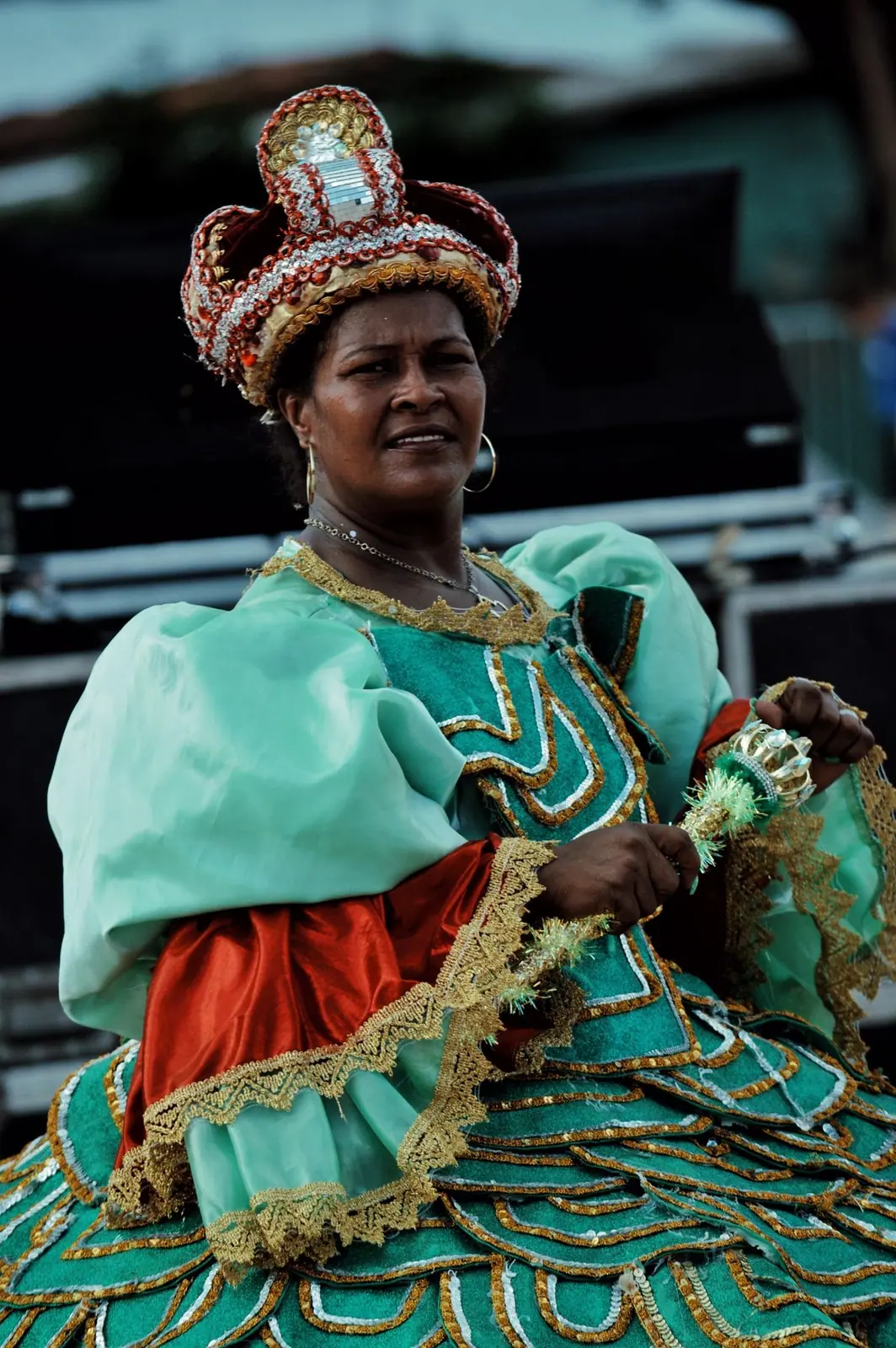
Maracatu de Baque Virado, or Maracatu Nação, is an urban Afro-Brazilian tradition with strong religious roots, born in Pernambuco from the encounter of different African nations. It symbolizes the coronation of the Kings of Congo, performed as a procession, and became a culture of resistance that keeps the oral history of Black people alive in its music.
The Nação is what is sacred: it is tied to candomblé, known in Pernambuco as Xangô, where the secrets, practices and rituals of the worship of the Orixás are kept. Maracatu is the open celebration, where everyone can take part.
"Maracatu is a serious play, but the play doesn't show, because there is only seriousness."
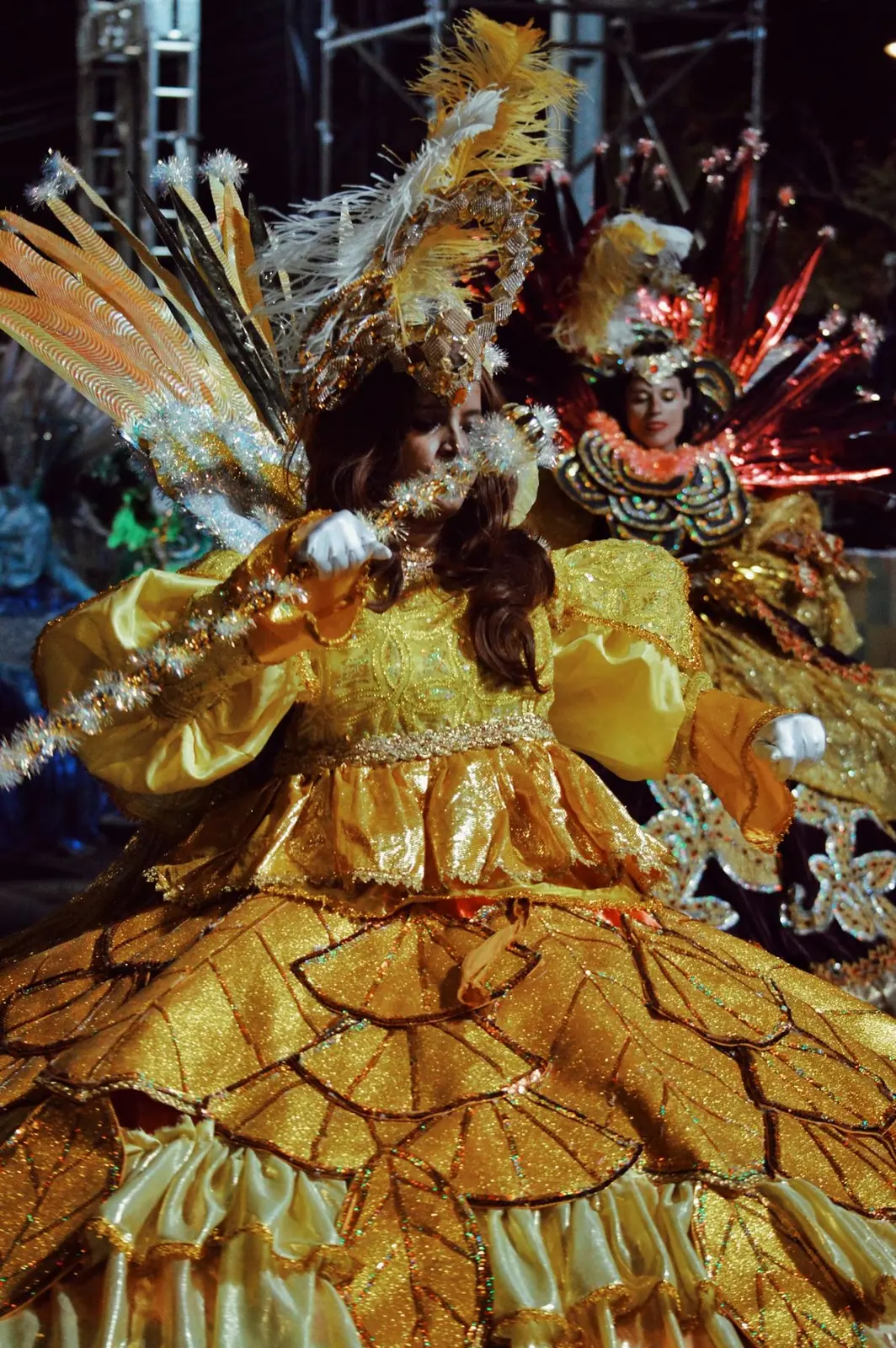
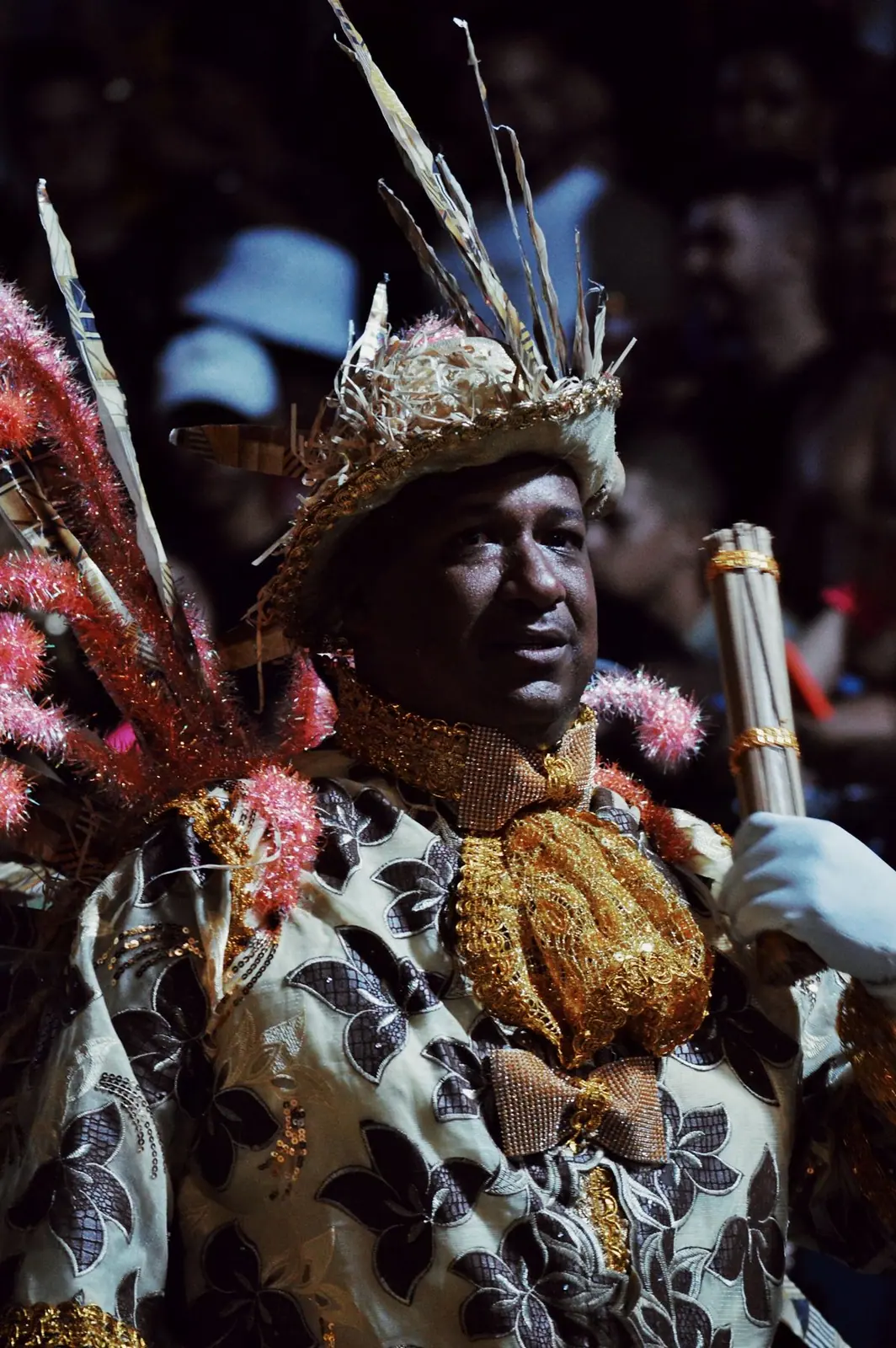
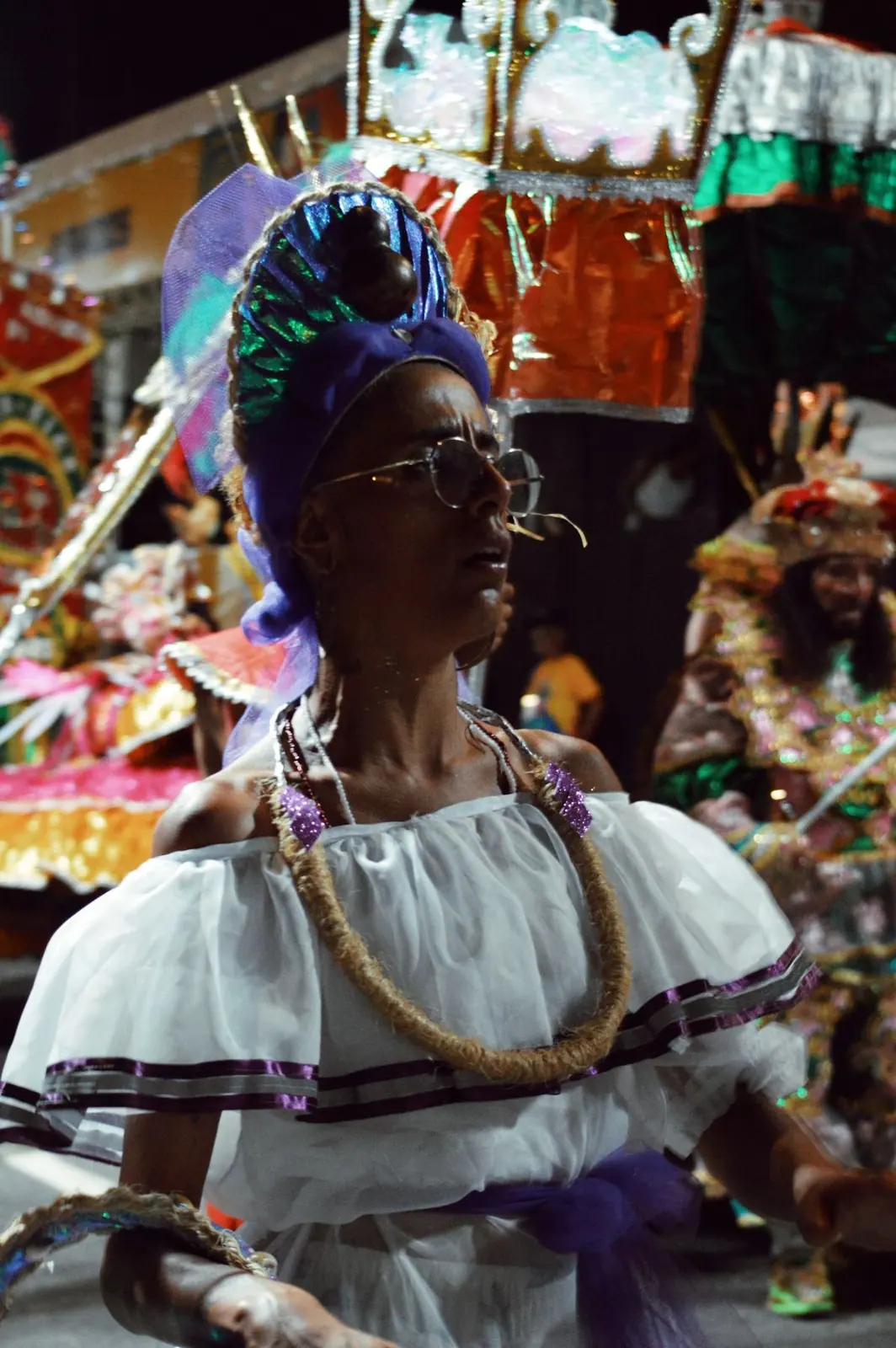
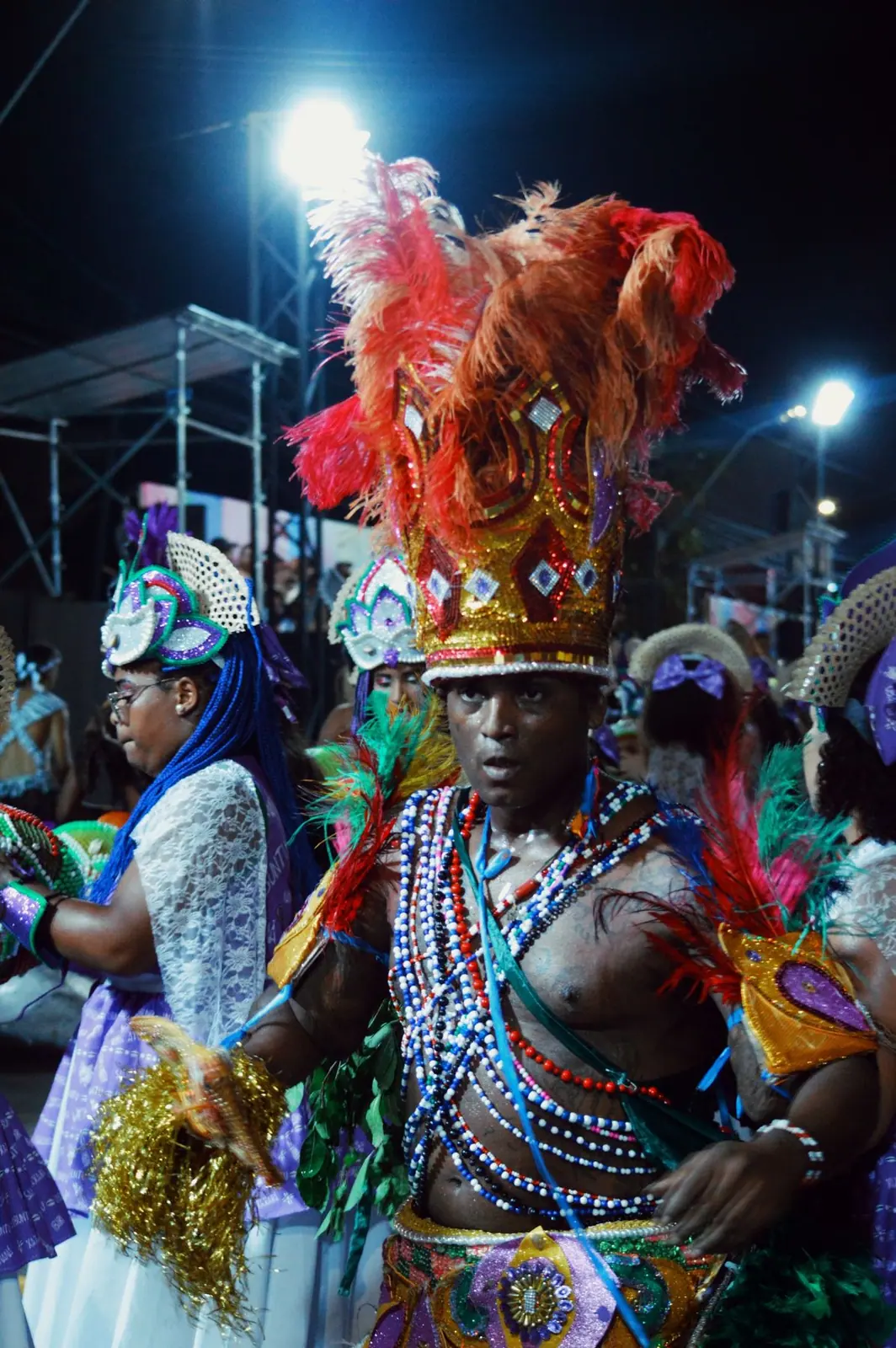
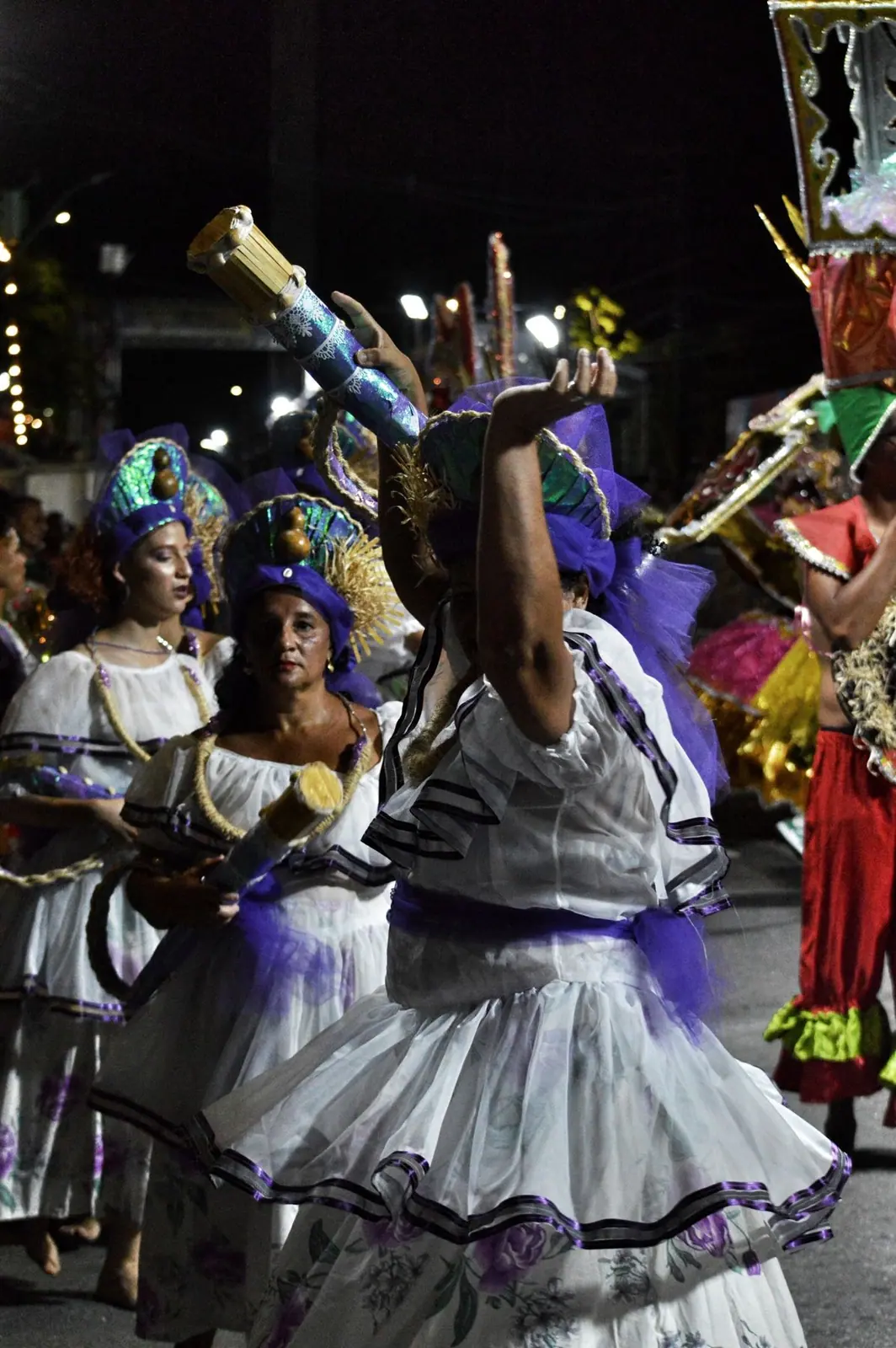
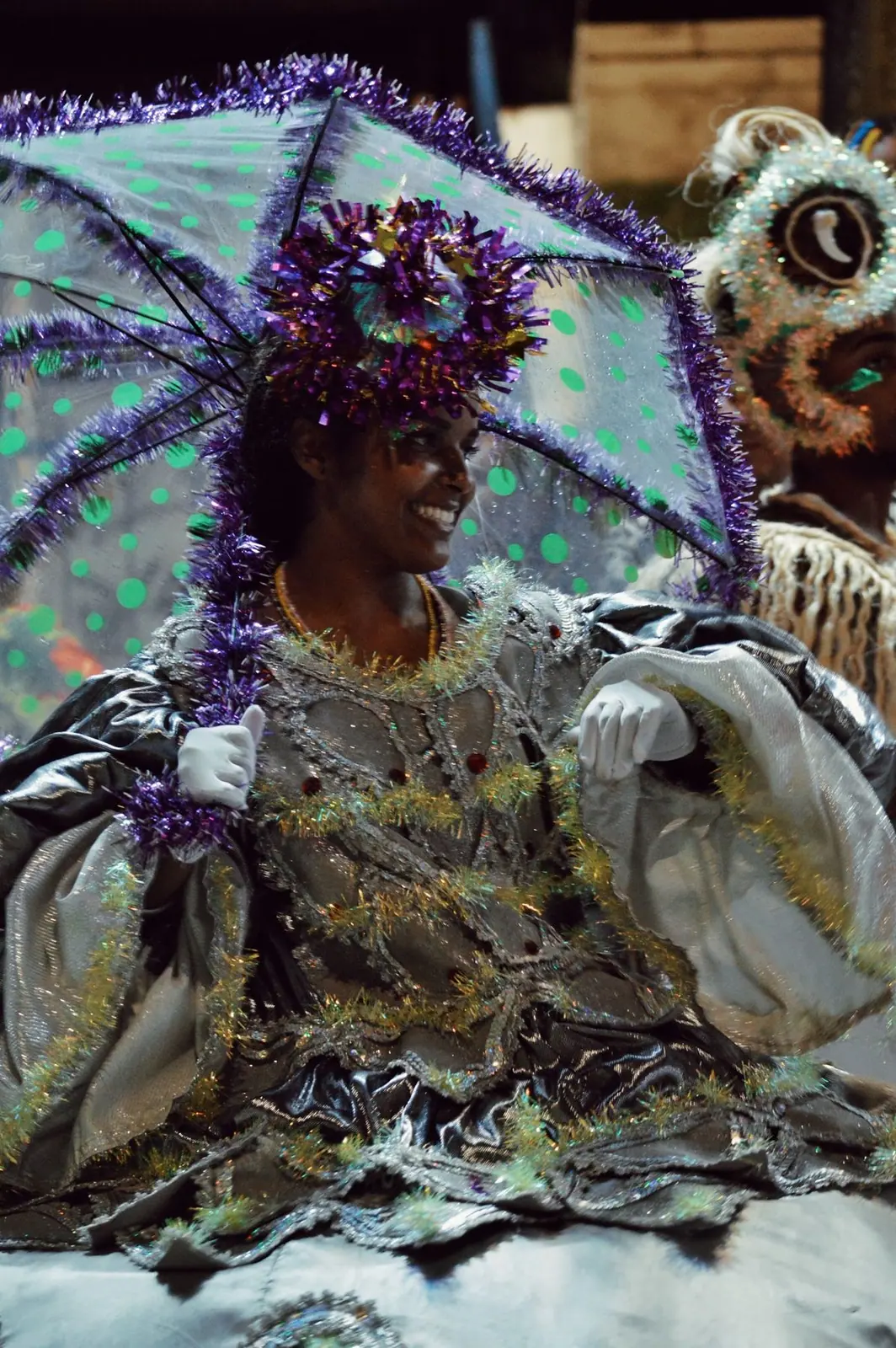
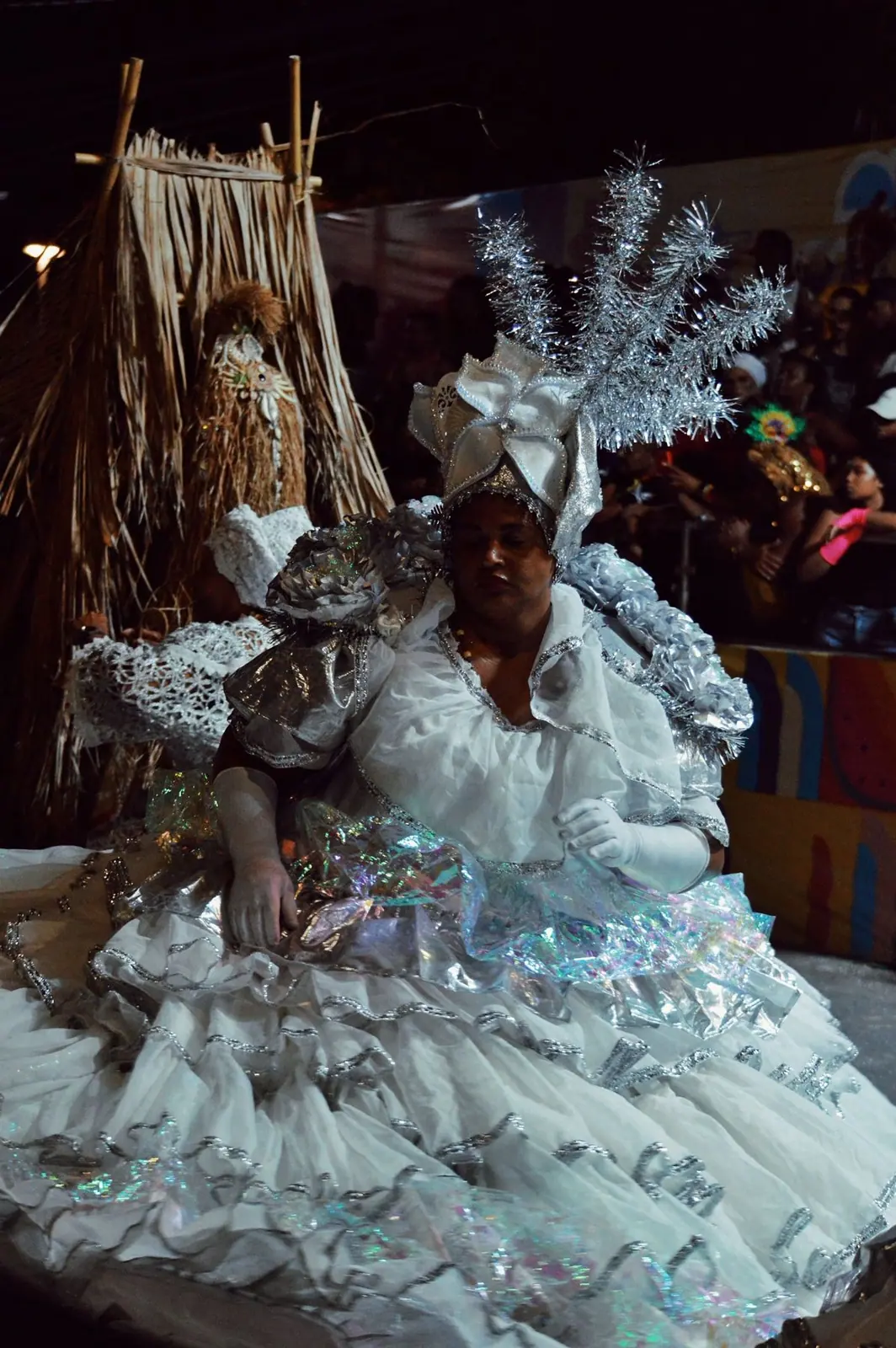
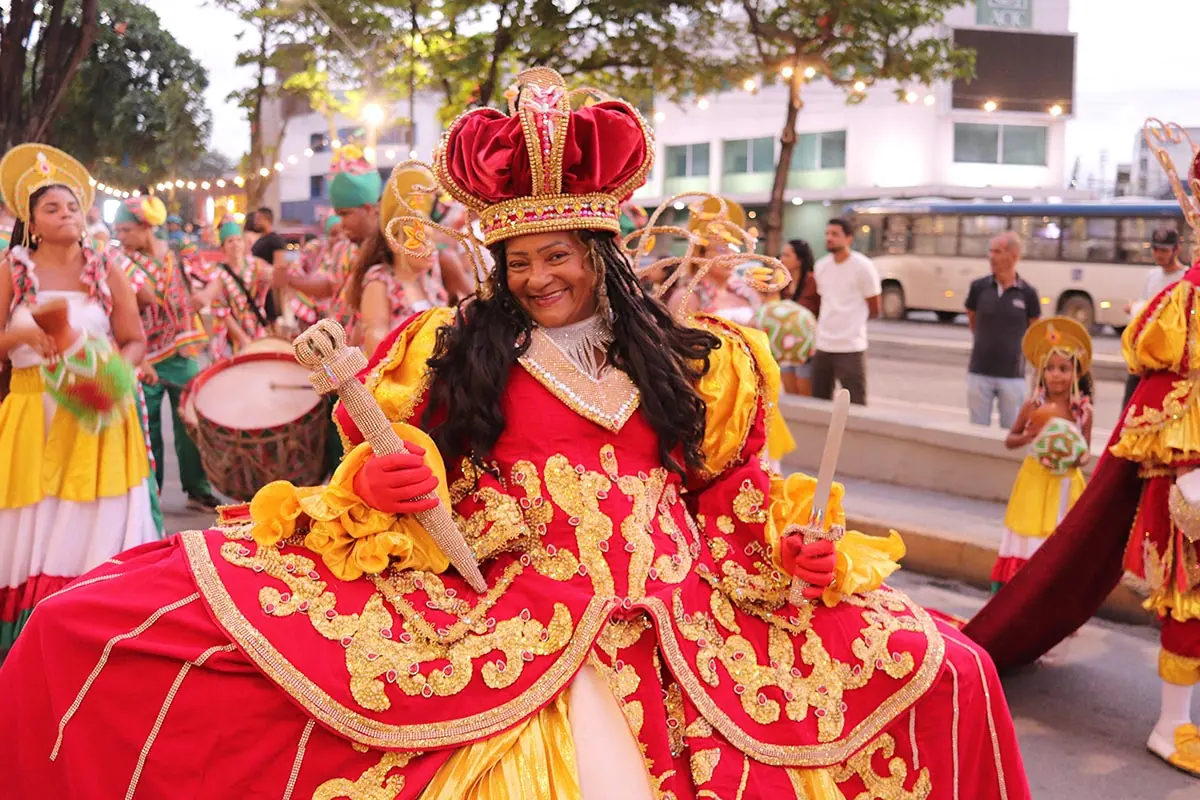
King, Queen, Princess, Vassals and Baianas Ricas
Dances carrying the calunga, the sacred doll of the Nação
Characters who open the way and liven up the procession
Alfaias (melê, biancó, yan and yandarrum), snare drums, taróis, mineiros, agbês, gonguê, atabaques and ilú
The Mestre leads the baque with the apito (whistle) and calls the loas, answered by everyone
Newspapers of the Diário de Pernambuco already mention the Nação Porto Rico in the streets of Recife.
“Yesterday the old Maracatu Porto Rico held its dendê”, records Pereira da Costa.
On September 7, in Palmares, with Chico de Itá, a descendant of the Quilombo dos Palmares.
King Eudes Chagas refounds the Nação as Porto Rico do Oriente.
Crowned at the Church of Rosário dos Homens Pretos. In 1983 came the first title of her era.
The Nação plays in Germany, Belgium and Spain representing Recife.
Officially takes over the apito and begins leading the batuque.
Honored at the Recife Carnival for its 100 years.
1968 1983 1984 1985 1986 1988 1989 1990 1993 1994 1996 1997 1998 1999 2001 2002 2004 2005 2009 2011 2016 2017 2020
According to conductor and researcher Guerra-Peixe, the Nação was founded on September 7, 1916, at the Palmeirinha farm, in Palmares, under the leadership of João Francisco de Itá, known as Chico de Itá, king of the nation and a descendant of the Quilombo dos Palmares. The queen named in the founding record is Maria dos Prazeres.
But Porto Rico is older than its own founding date. In 1914, historian Pereira da Costa wrote in a Recife newspaper: “Yesterday the old Maracatu Porto Rico held its dendê in front of our workplace”. There are also records of the Nação around 1889, in a clash with the police at Praça do Diário, kept in the archives of the Diário de Pernambuco. Guerra-Peixe concluded that 1916 marks a new phase of a group that already existed.
For lack of support, the Nação declined and reappeared under the guardianship of Zé da Ferida, also a descendant of Palmares, in the Água Fria neighborhood, with the support of Pereira da Costa and the Carnival Organizing Committee. There they used the mulungus, instruments similar to the atabaque that Mestre Chacon brought back years later.
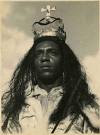
José Eudes Chagas was born in Olinda in 1921 and grew up in Recife, first in Água Fria and then in Pina, where he kept a xangô terreiro until the end of his life. His ruling orixá was Ogum Taió. A spiritual son of Dona Santa, the famous queen of Maracatu Elefante, and spiritual brother of Luís de França, mestre of Leão Coroado, he was also Mãe Elda's spiritual grandfather.
At a time when candomblé was persecuted, he founded the Troça Rei dos Ciganos, a disguised maracatu. Later he rescued the old Nação from the museum and added the name “do Oriente”: Porto Rico do Oriente reappeared in Pina on March 26, 1967. Eudes was crowned king on December 10 of that year, at Casa 41 in Pátio do Terço, by bishop Dom Isaac, of the Brazilian Catholic Church.
The troça kept existing after the old group was taken out of the museum, carried on by those who preferred to stay with it.
He was king, babalorixá and director of the Nação until his death on December 15, 1978. He was known for his generosity towards dozens of godchildren, towards those who sought him for rituals and consultations at the terreiro, and even towards rival groups. Even while ill, he trained the student maracatu Rei do Congo. Eudes was the spiritual father of Dona Francisca de Iansã and Erasmo de Xangô, Mãe Elda's yalorixá and babalorixá. In the memories she shared with Mestre Chacon, he was the one who taught her the secret of Ifá, the first steps of the cowrie-shell divination in the nagô tradition. Elda was a teacher and, after work, spent her afternoons, from 2 to 5 pm, with her spiritual grandfather at the Palácio de Ogum, on Rua 12 de Julho, then the headquarters of the Nação. Later she learned the jeje divination with Tata Raminho de Oxóssi, Mestre Chacon's spiritual father.
Eudes Chagas com sua espada, força e coragem e dedicação. Salve o Rei, salve Ogum, o patrono dessa Nação.
1940. Eudes Chagas at age 19, as king of the Nação Elefante. Photo: Lula Cardoso Ayres.
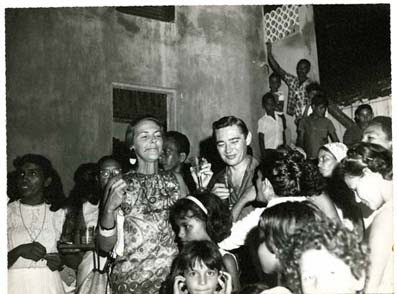
1967. Katarina Real and her husband, Robert Case, special guests at the launch party of the caravel Santa Maria.
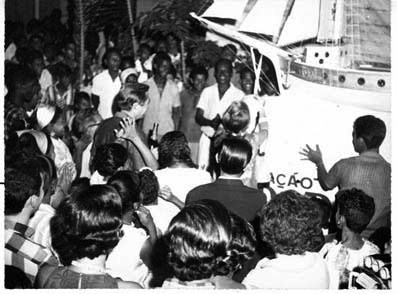
1967. The crowd on the street in Pina before the caravel, all lit up on the terrace of the headquarters.
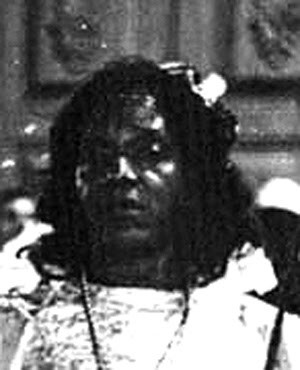
1970. King of the Nação Porto Rico do Oriente. Photo: Roberto Benjamin.
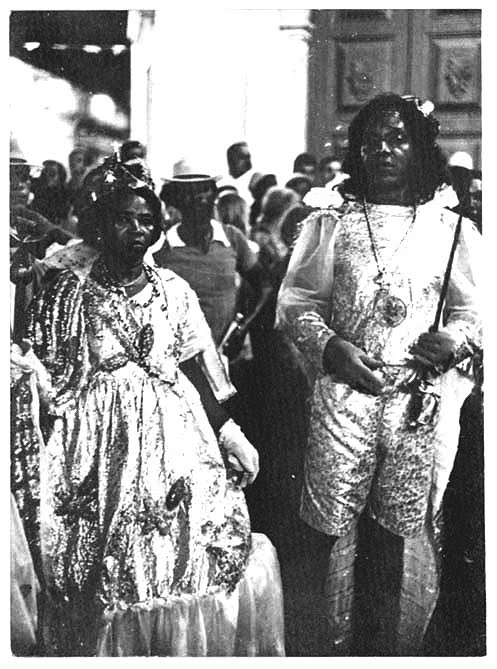
1978. Noite dos Tambores Silenciosos, Pátio do Terço. Dona Mera, yalorixá and queen, beside Eudes Chagas in the last photo of the king of maracatu.
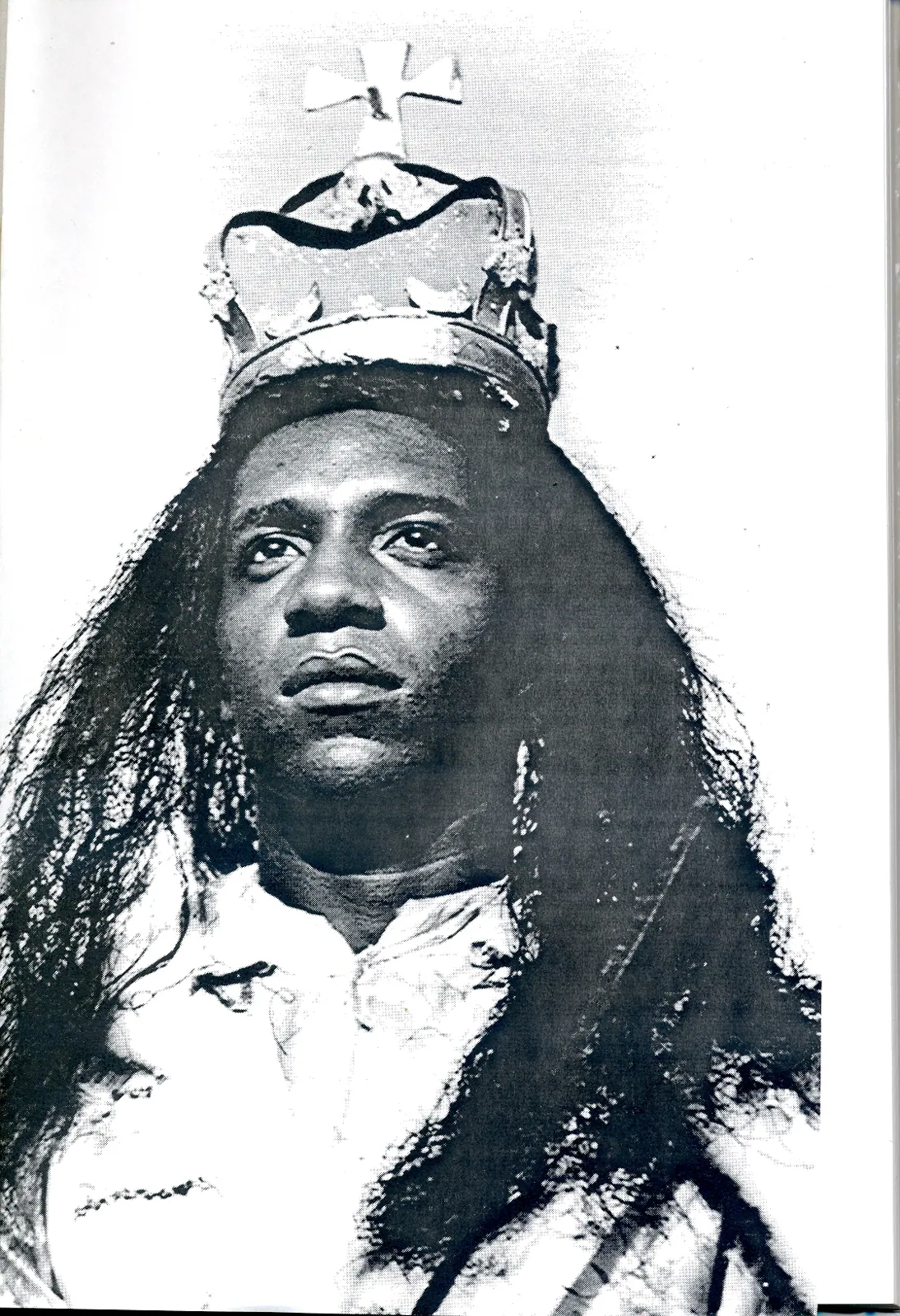
The crowned King. Eudes Chagas, king and Babalorixá of Nação Porto Rico. Source: Maracatuteca.
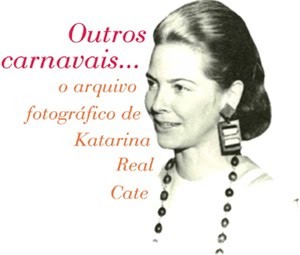
The photos of Katarina Real, the American anthropologist who wrote Eudes, o Rei do Maracatu, are kept in the archives of the Fundação Joaquim Nabuco.
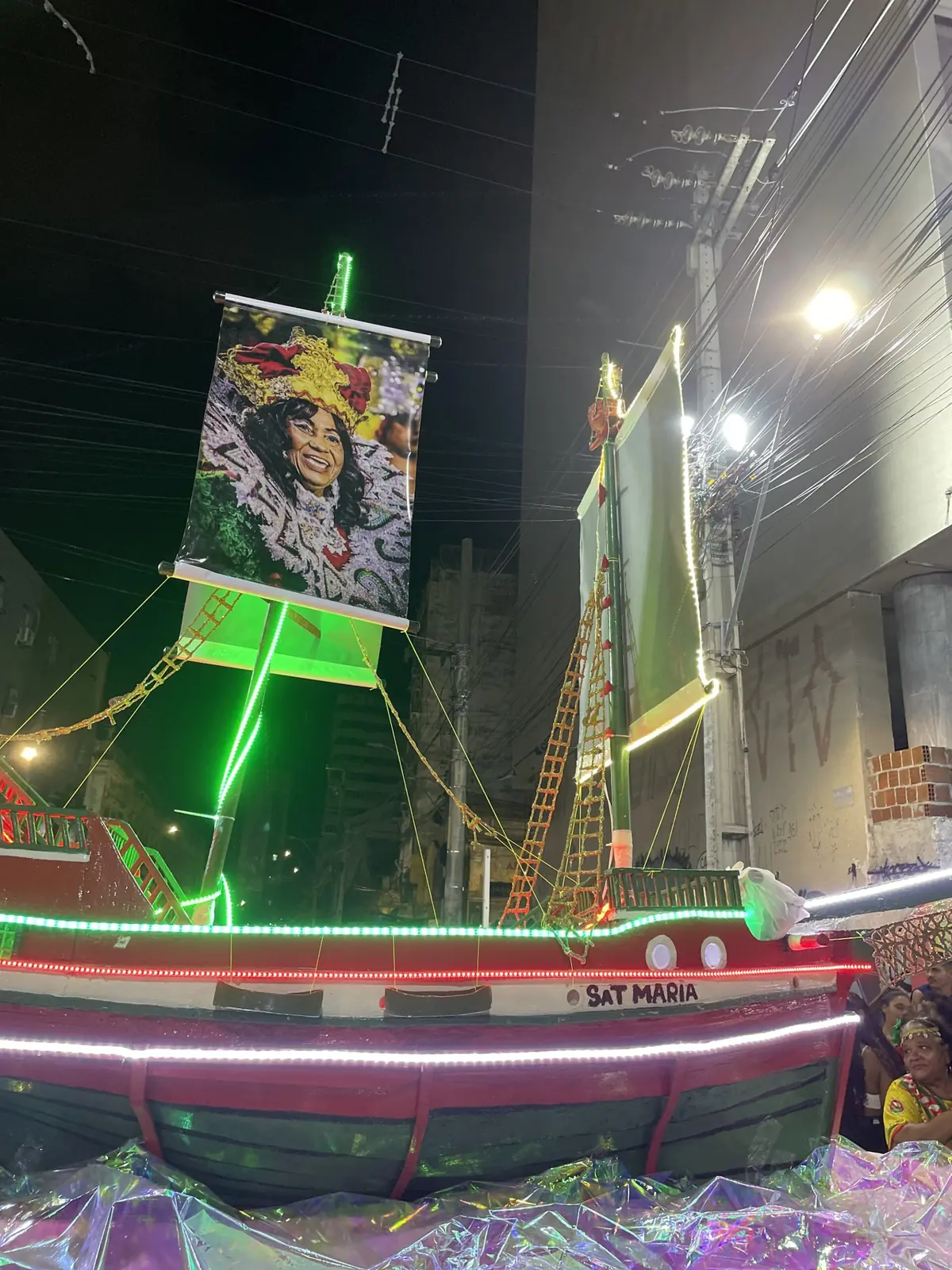
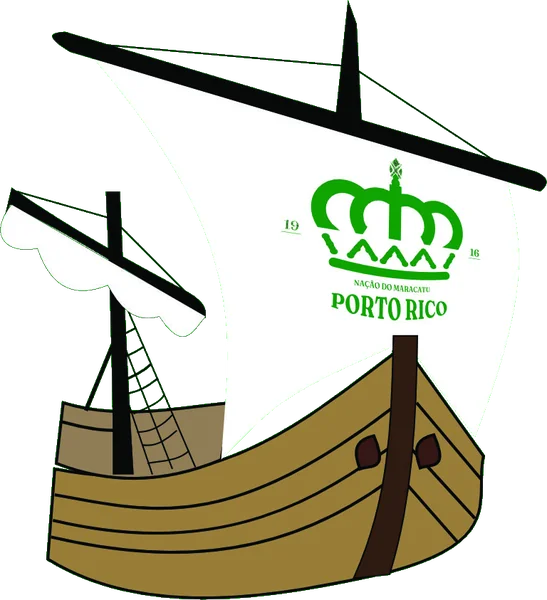
In 1967, American anthropologist Katarina Real, biographer of Eudes Chagas, was invited to the launch party of the caravel Santa Maria in Pina. She found the street packed with people, Eudes all in white, and on the terrace of the headquarters the caravel, about two meters long, all lit up. To this day it is the symbol of the Nação.
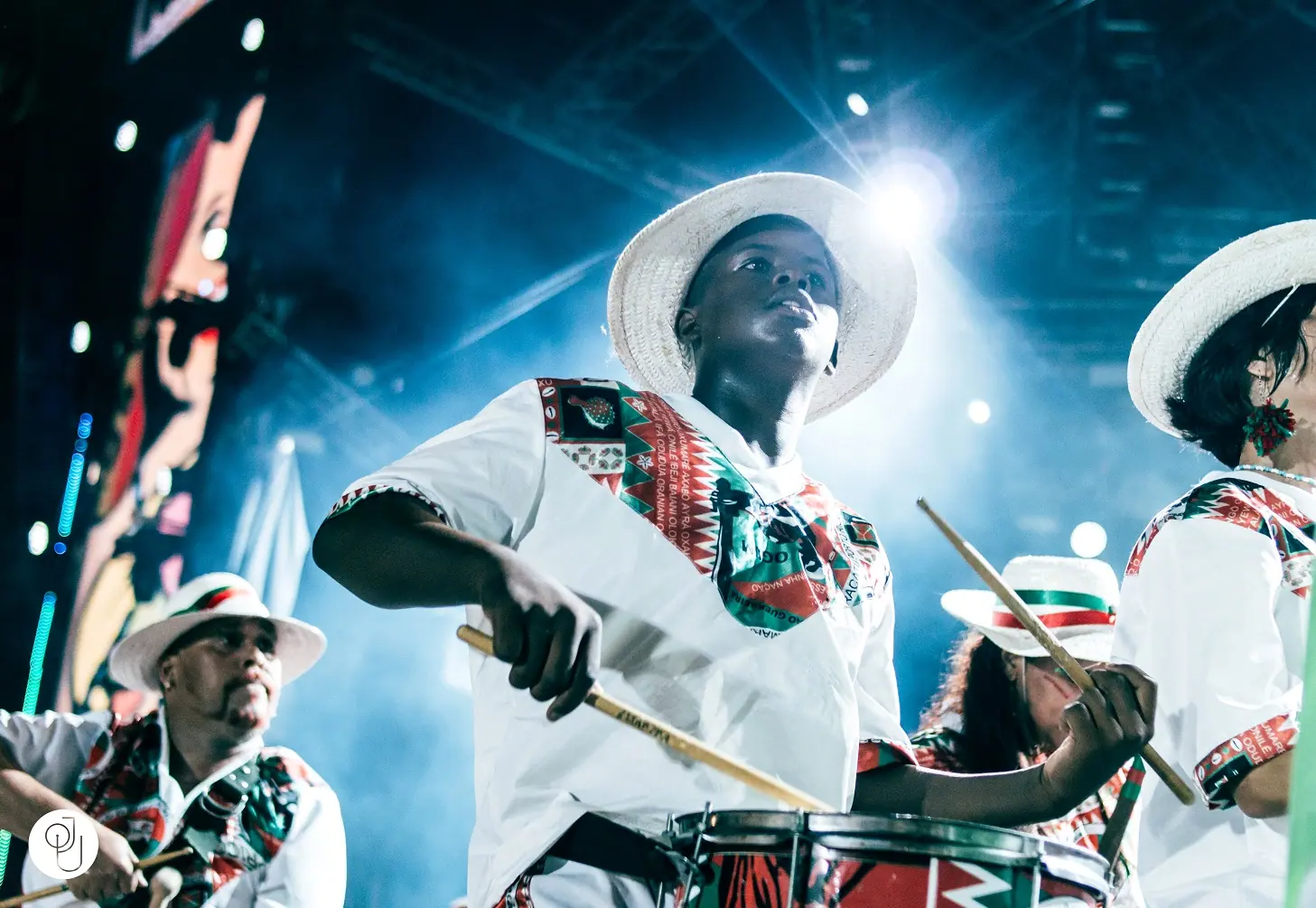
Behind the postcard of Boa Viagem lies the Comunidade do Bode, in Pina. In colonial times, the neighborhood was the island where enslaved Africans were held before landing in Recife. Today, with its terreiros, maracatus and folk celebrations, it is one of the largest urban quilombos in the city.
Founded: September 7, 1916
Symbol: Caravel Santa Maria
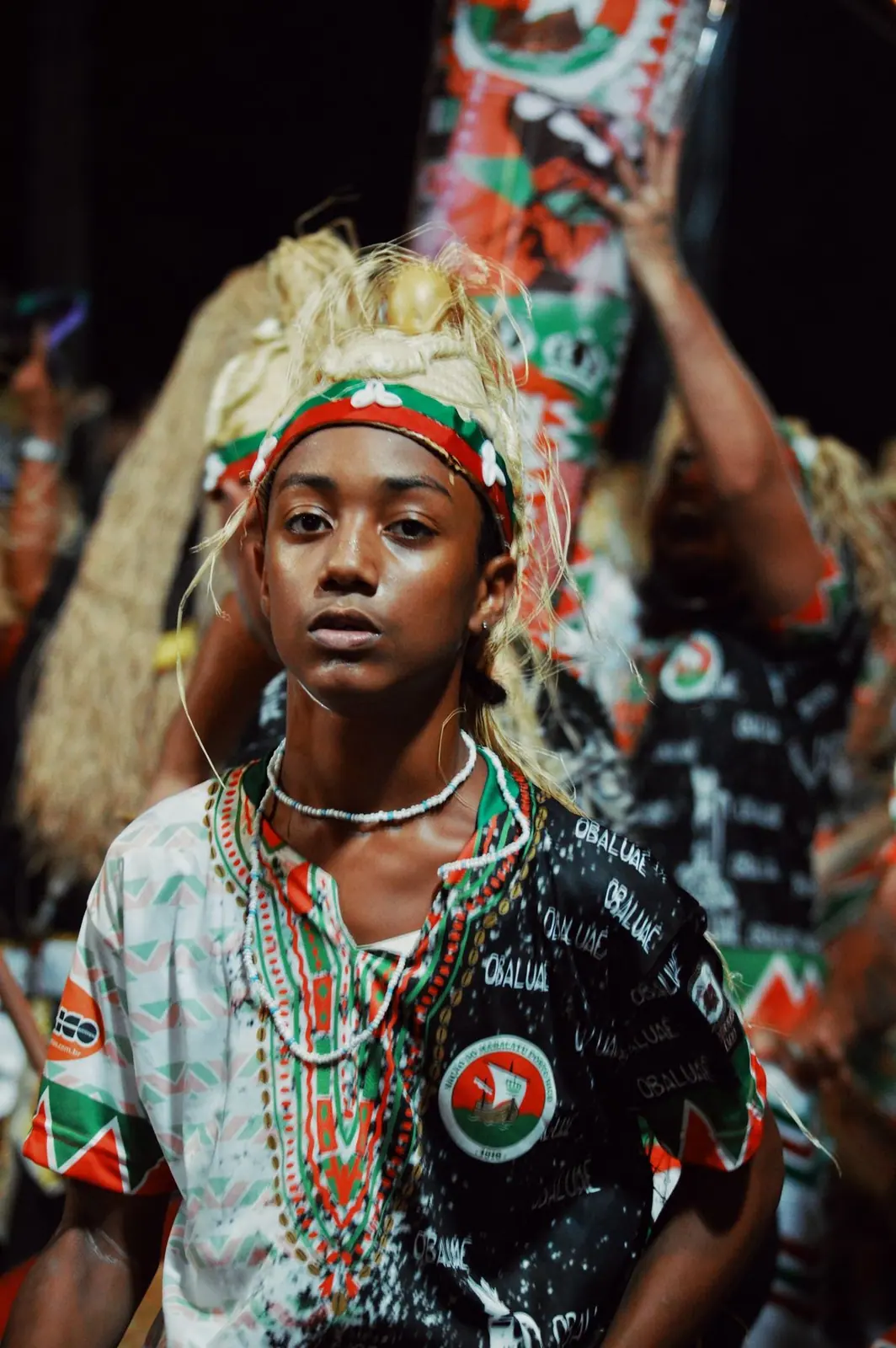
Colors: green and red
Headquarters: Macaia de Oxóssi, Pina
Sources: Guerra-Peixe; Pereira da Costa; Katarina Real, Eudes, o Rei do Maracatu; photos by Lula Cardoso Ayres, Roberto Benjamin and from the Katarina Real archive; Lúcia Gaspar, Pesquisa Escolar of the Fundação Joaquim Nabuco; oral accounts by Mãe Elda to Mestre Chacon.
Sacred dolls that represent the ancestors of the Nação. Carried by the Dama do Paço, they protect the procession and receive religious care before each parade.
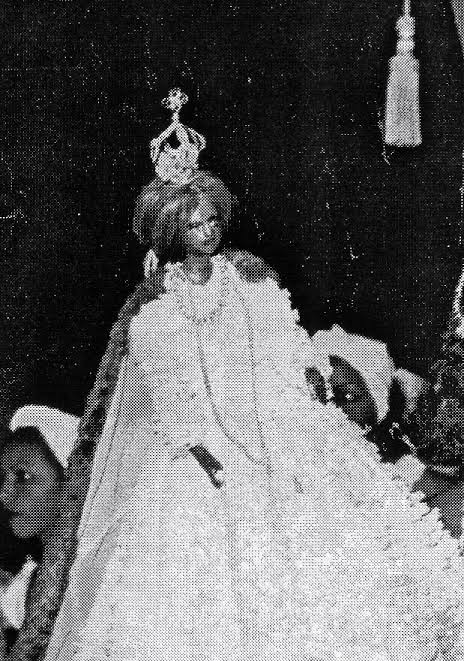
The first calunga of the Nação, made by King Eudes Chagas. She receives her offerings alongside Iansã.
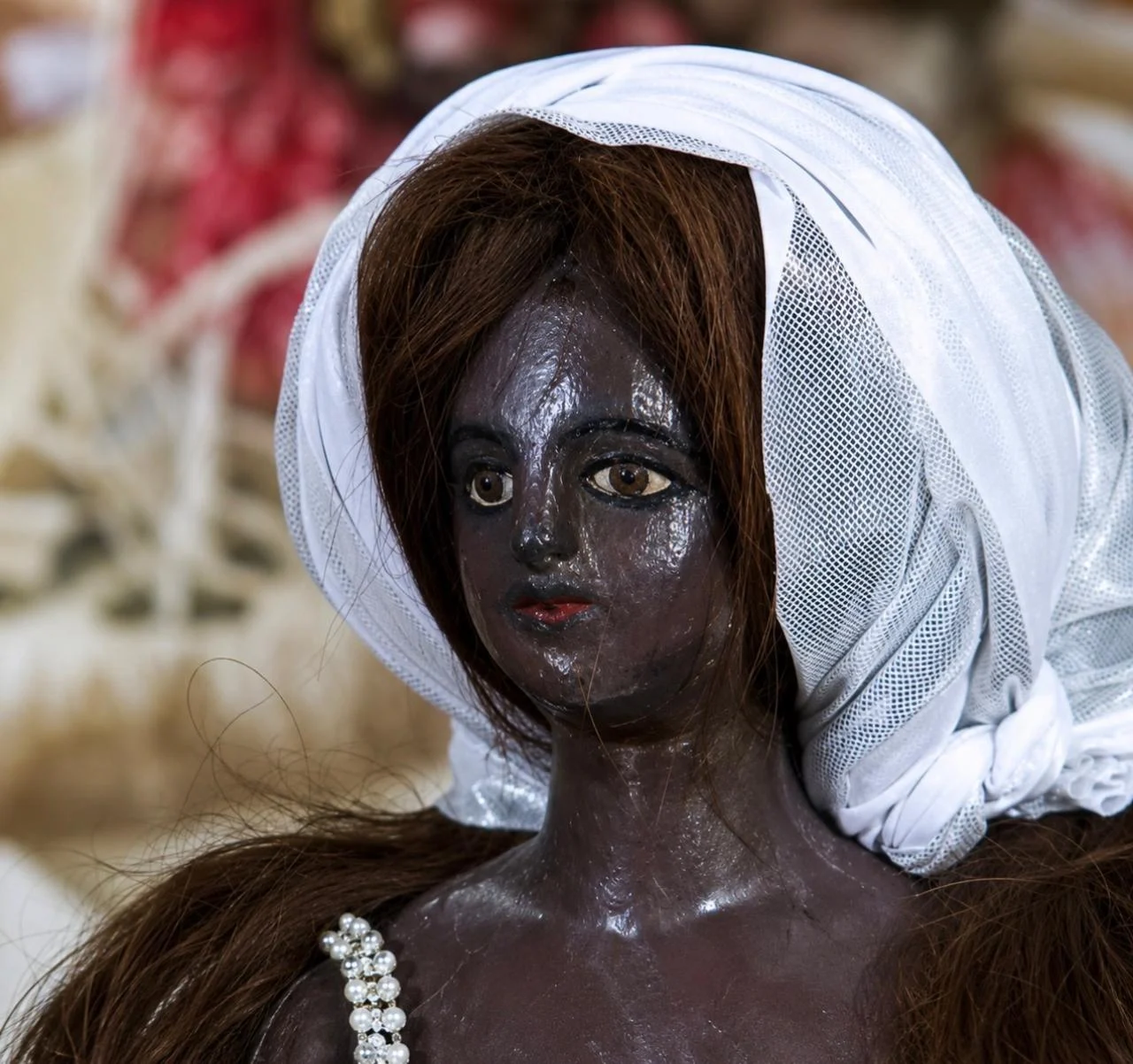
Also made by Eudes Chagas. She was missing for more than 30 years and returned to the Nação in 2014, handed back by the Terreiro Xambá.
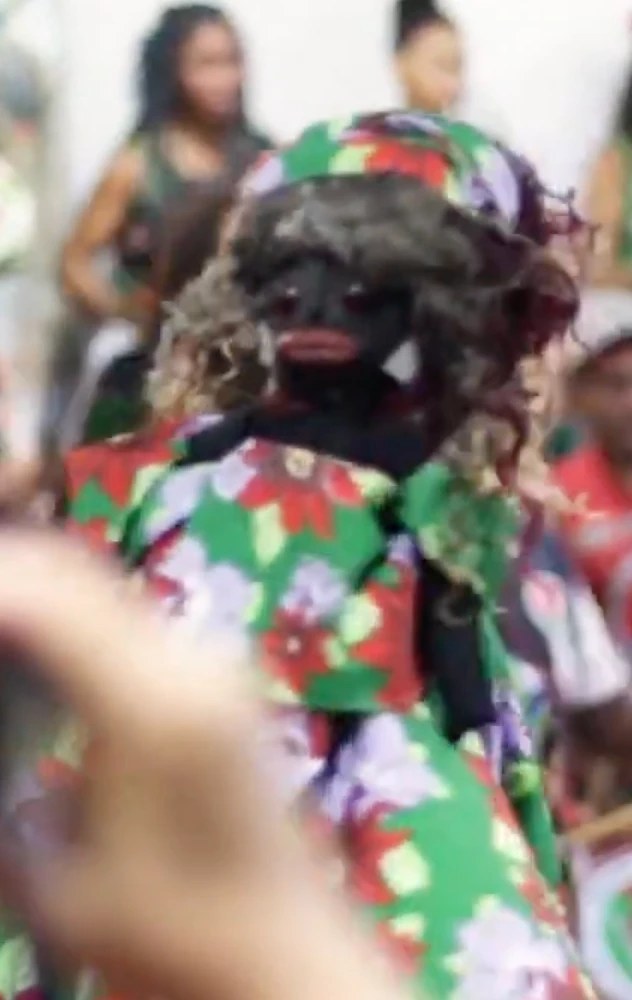
Guardian of the mysteries of the Nação, she receives her offerings alongside Exu, the owner of the Carnival play.
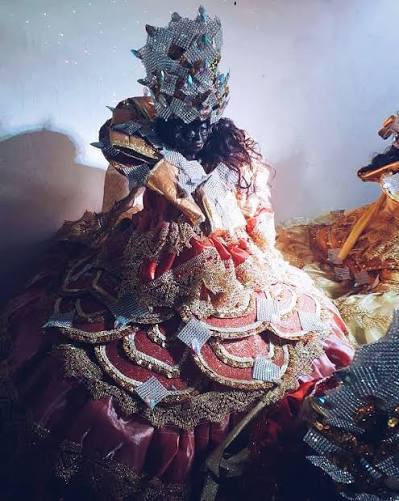
The princess of the court, who receives fruit at the feet of Mãe Oxum.
Porto Rico's baque is born in the terreiro. Mestre Chacon brought the rhythms played for the Orixás into the maracatu and created his own dynamic of conduções, viradas and paradas.
“É das ondas do mar (êo), é das ondas de Iemanjá…”