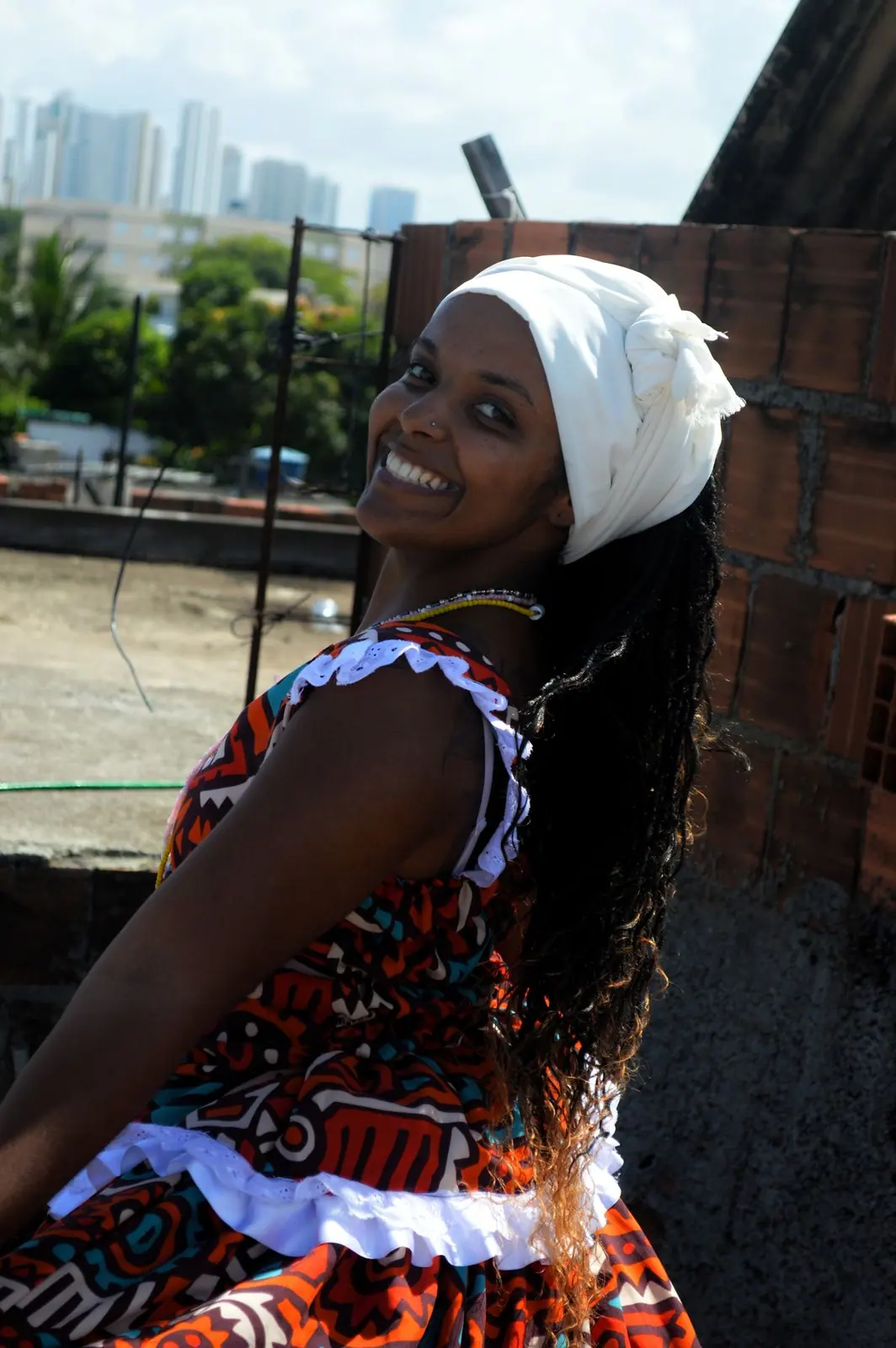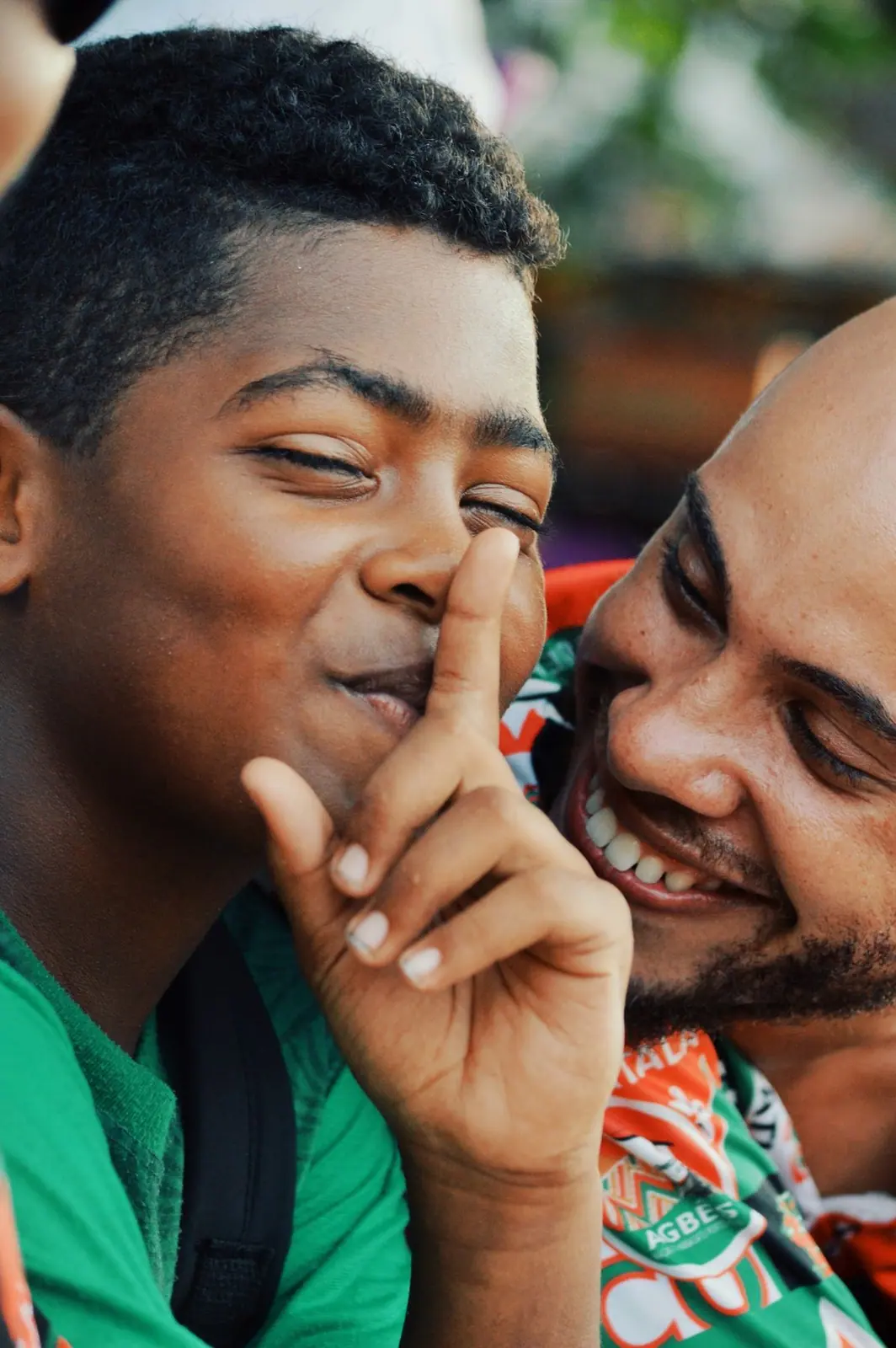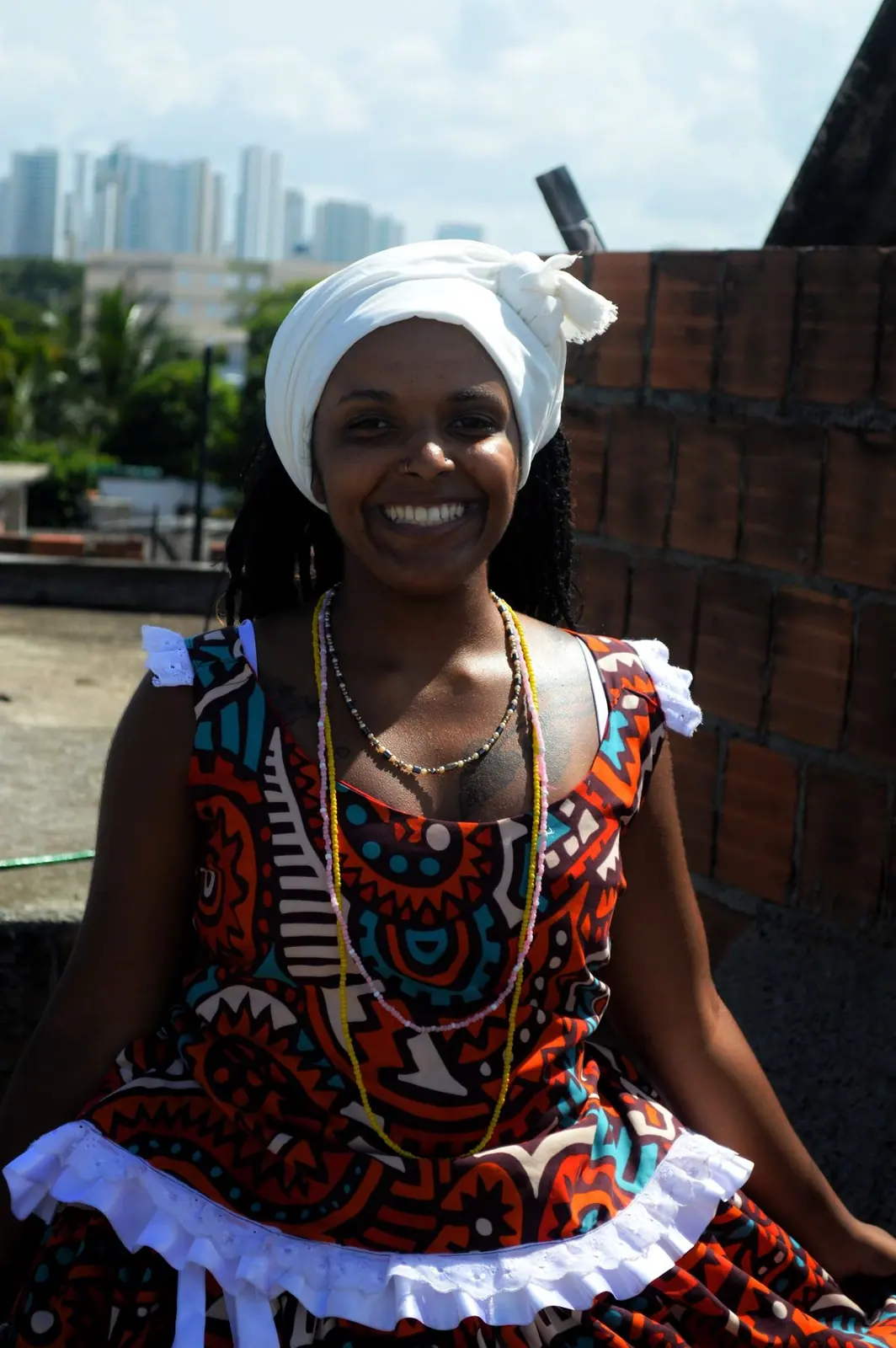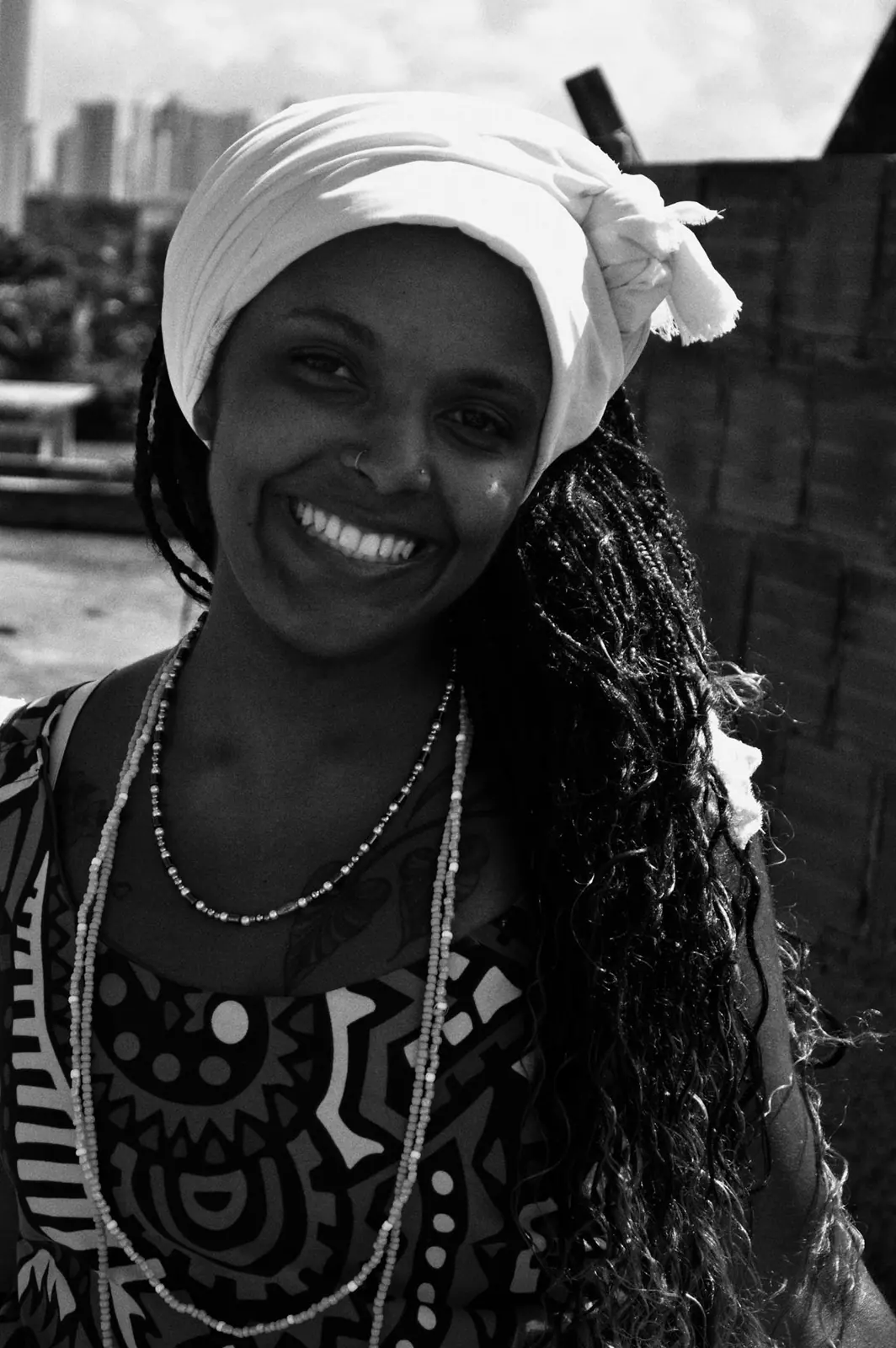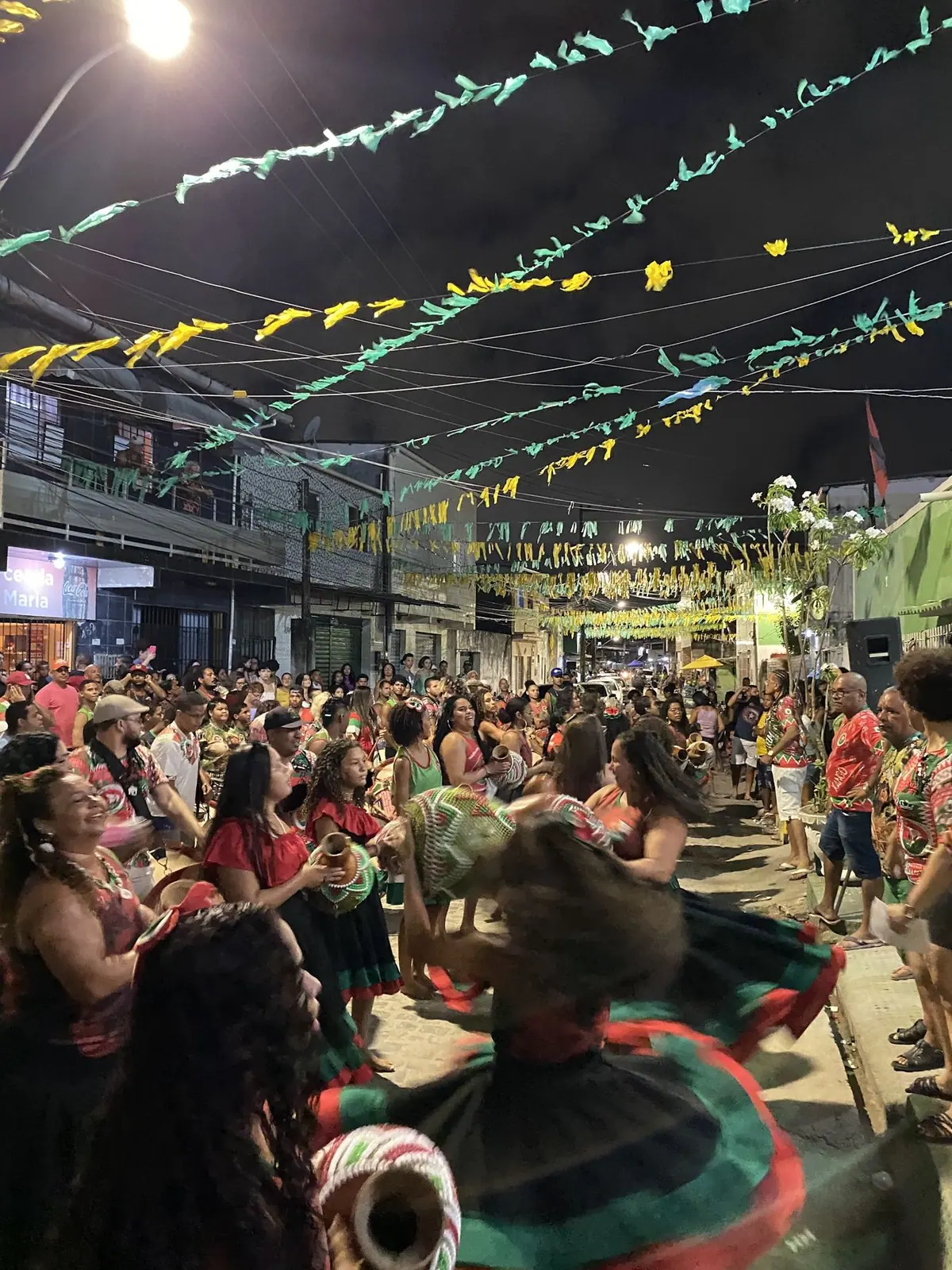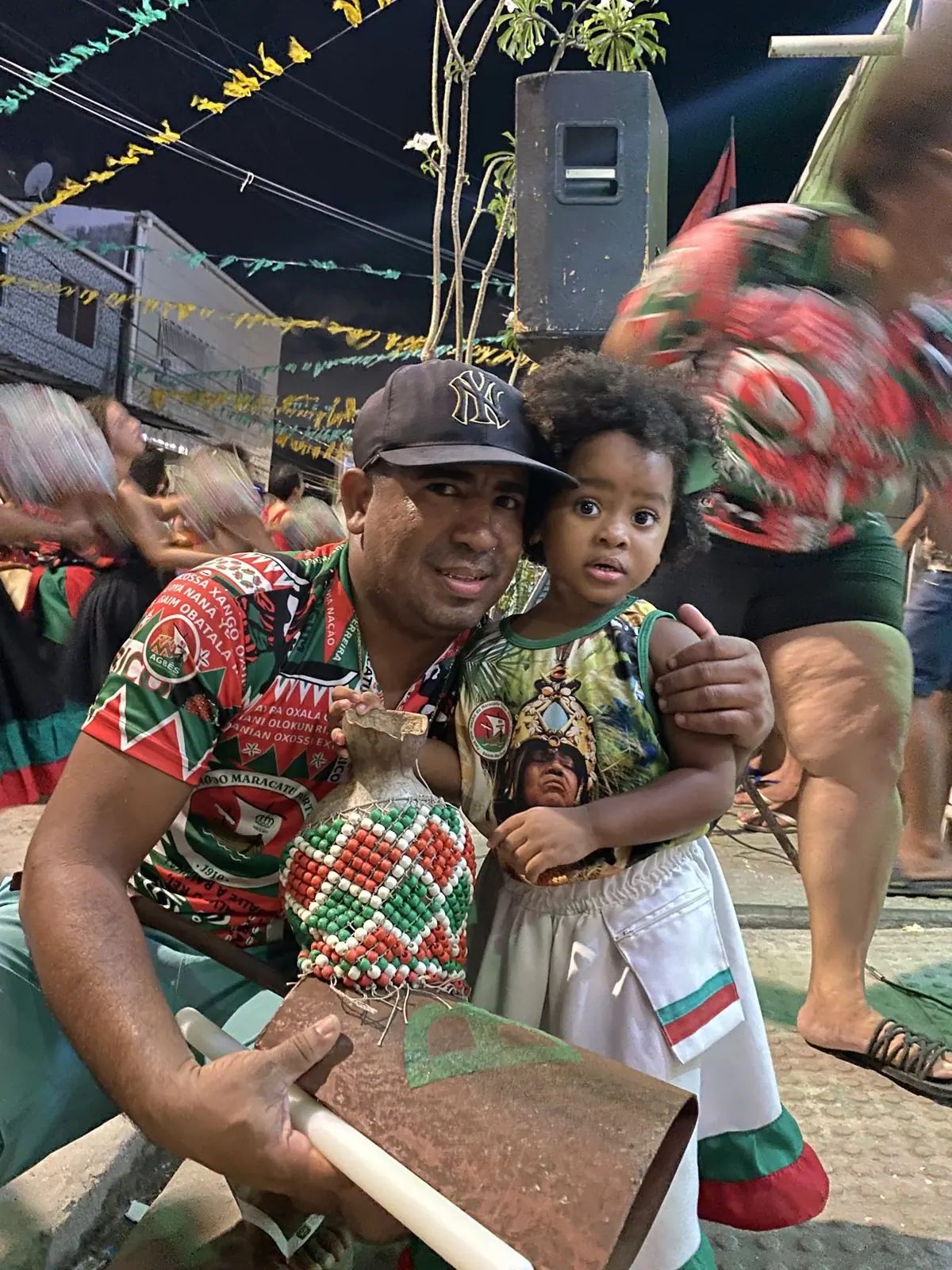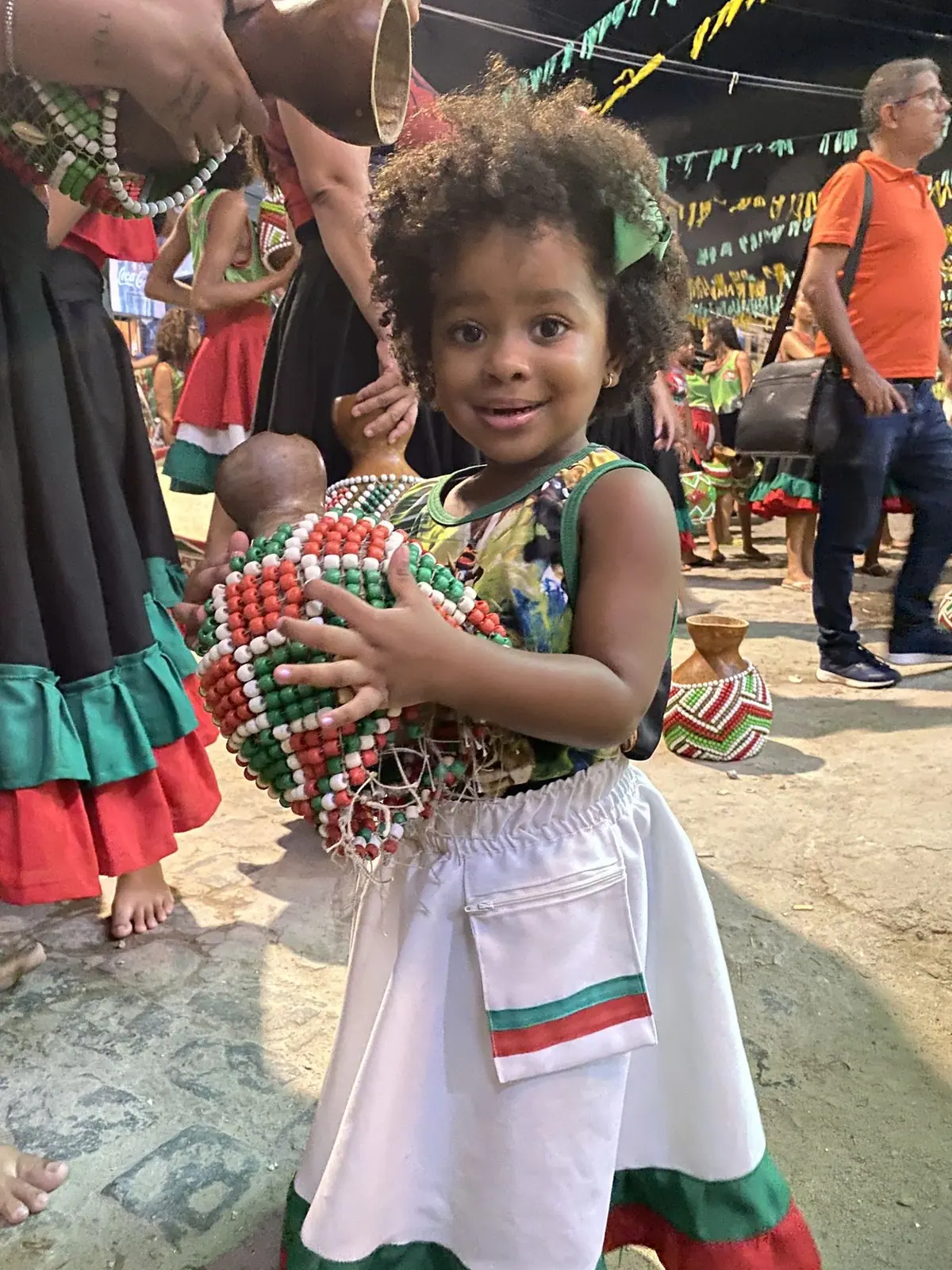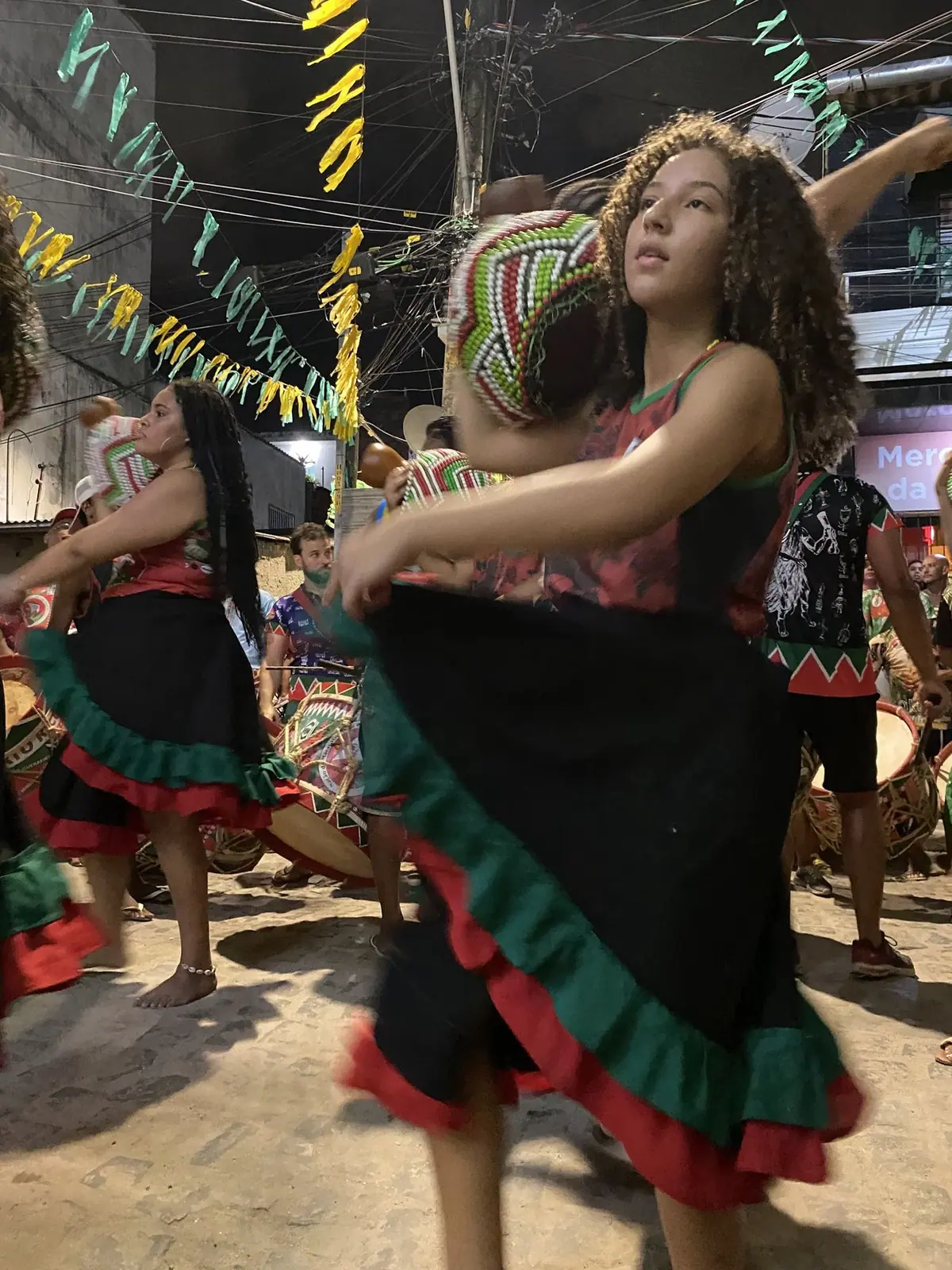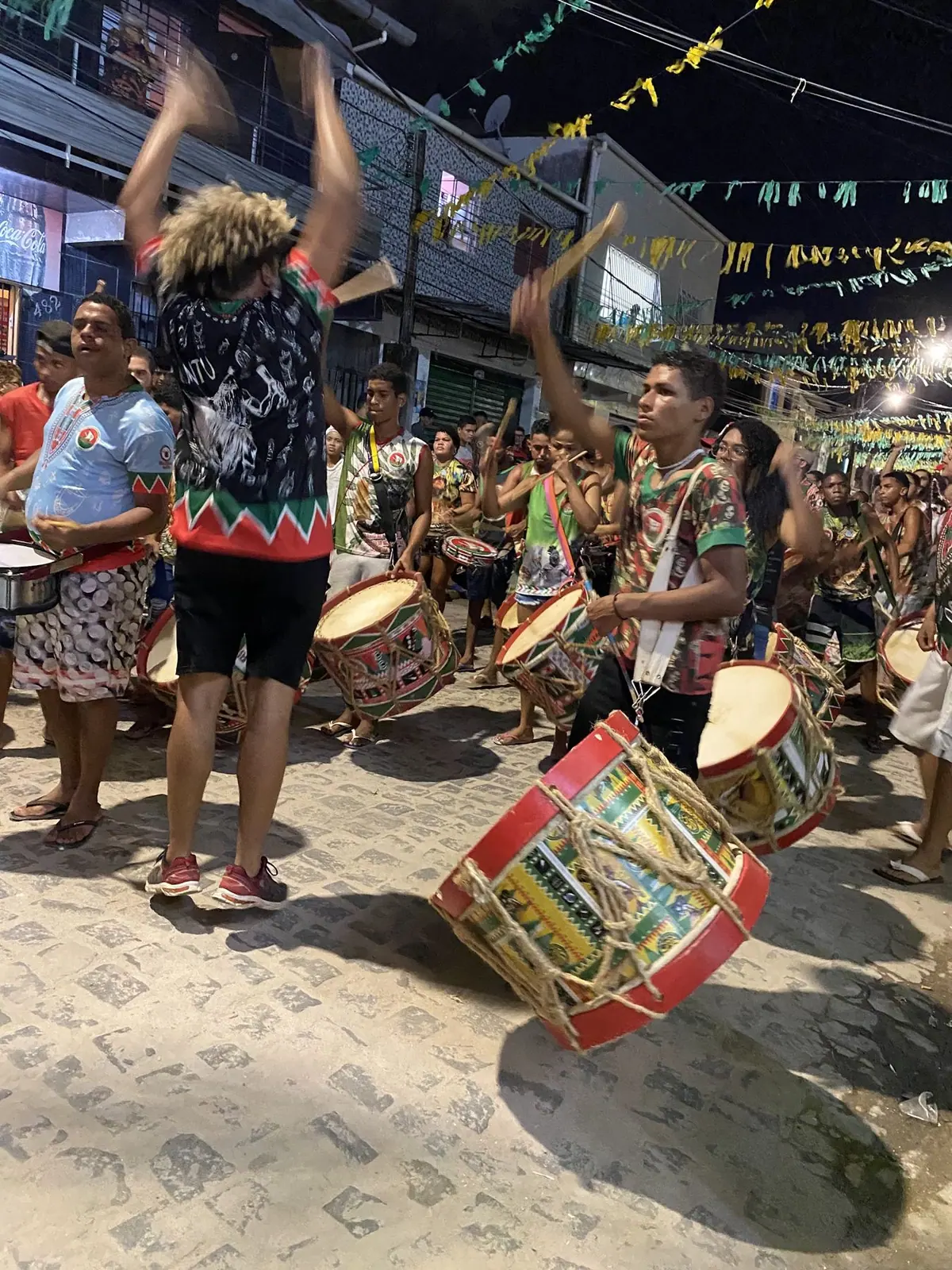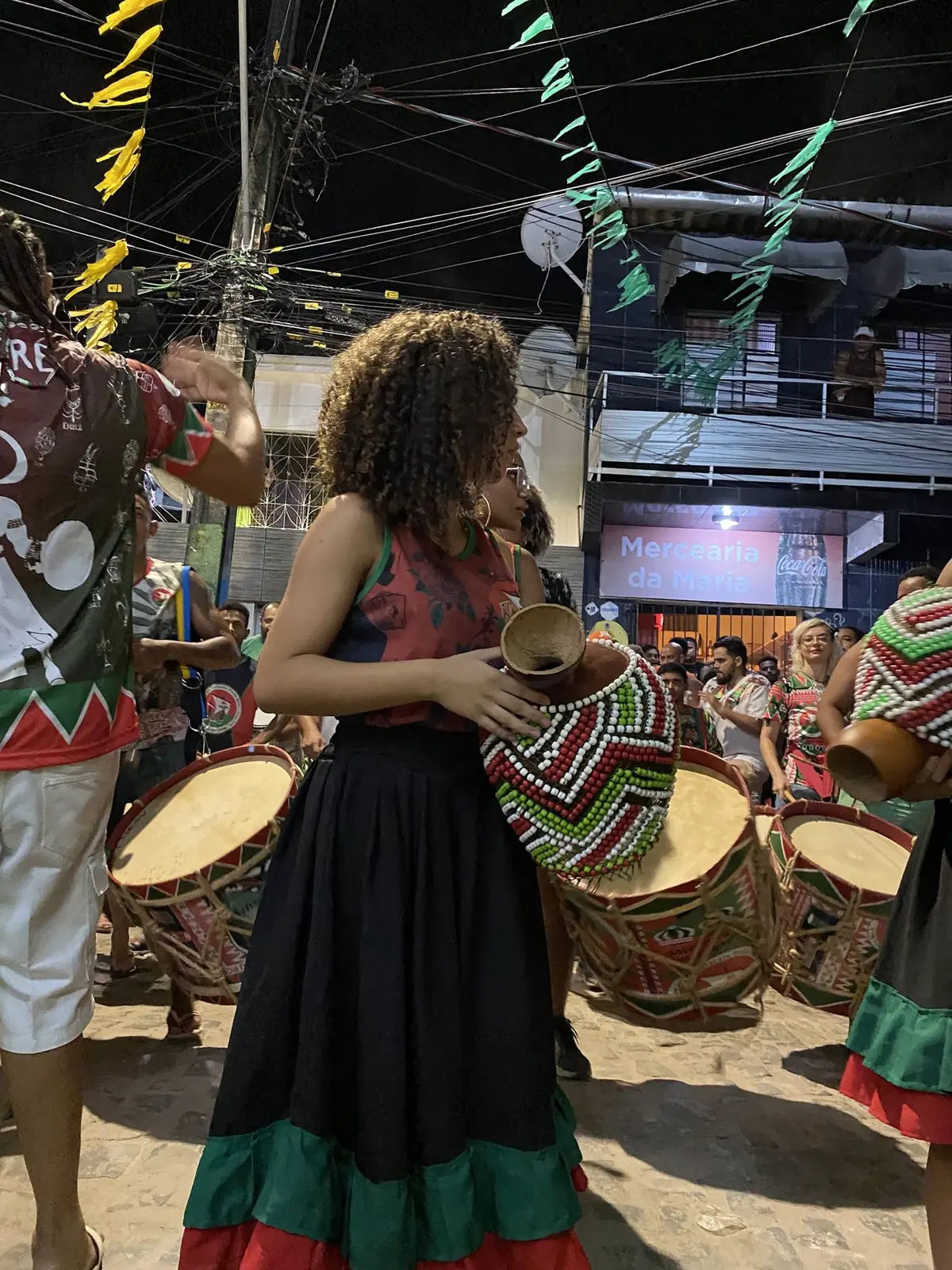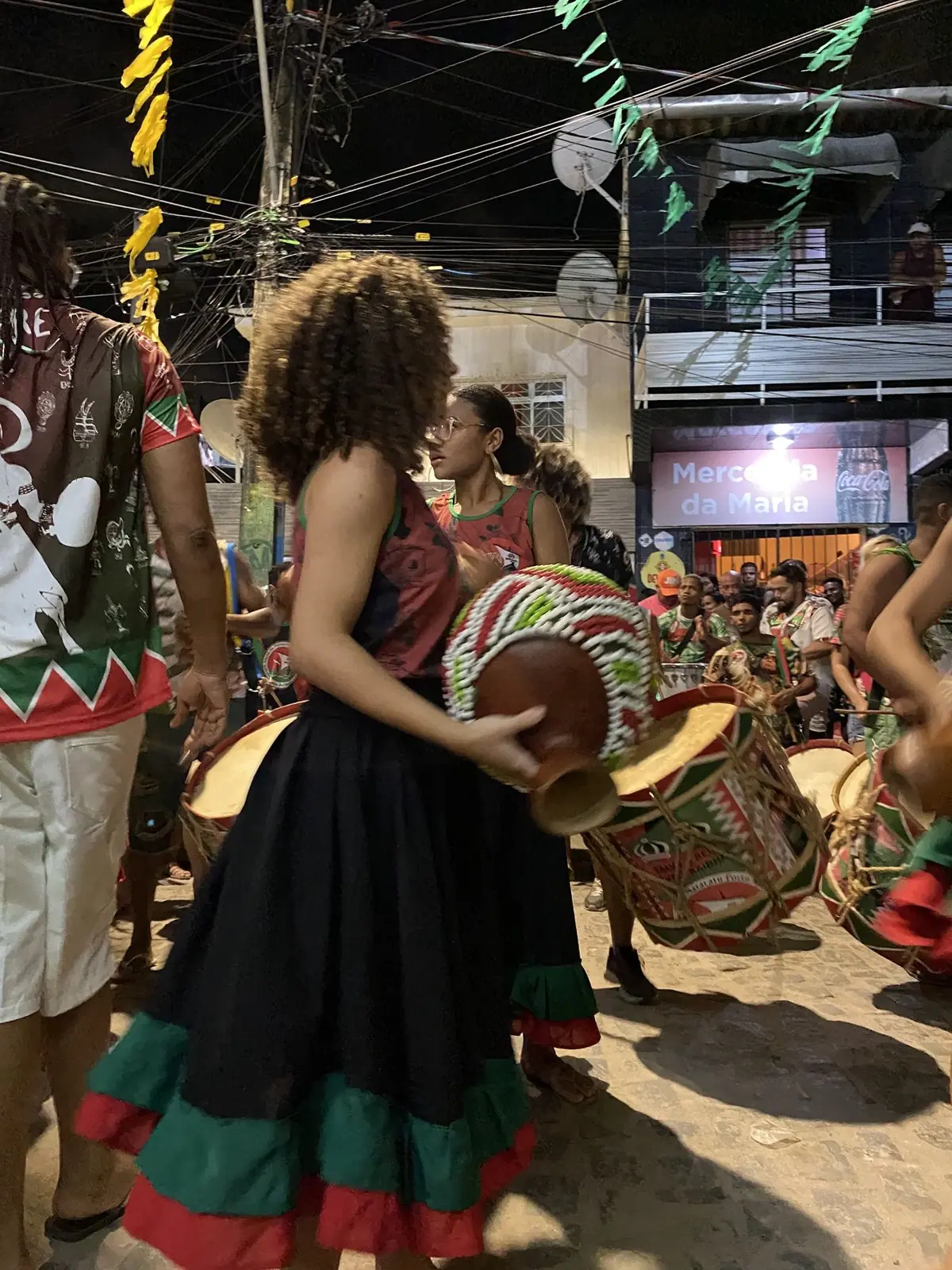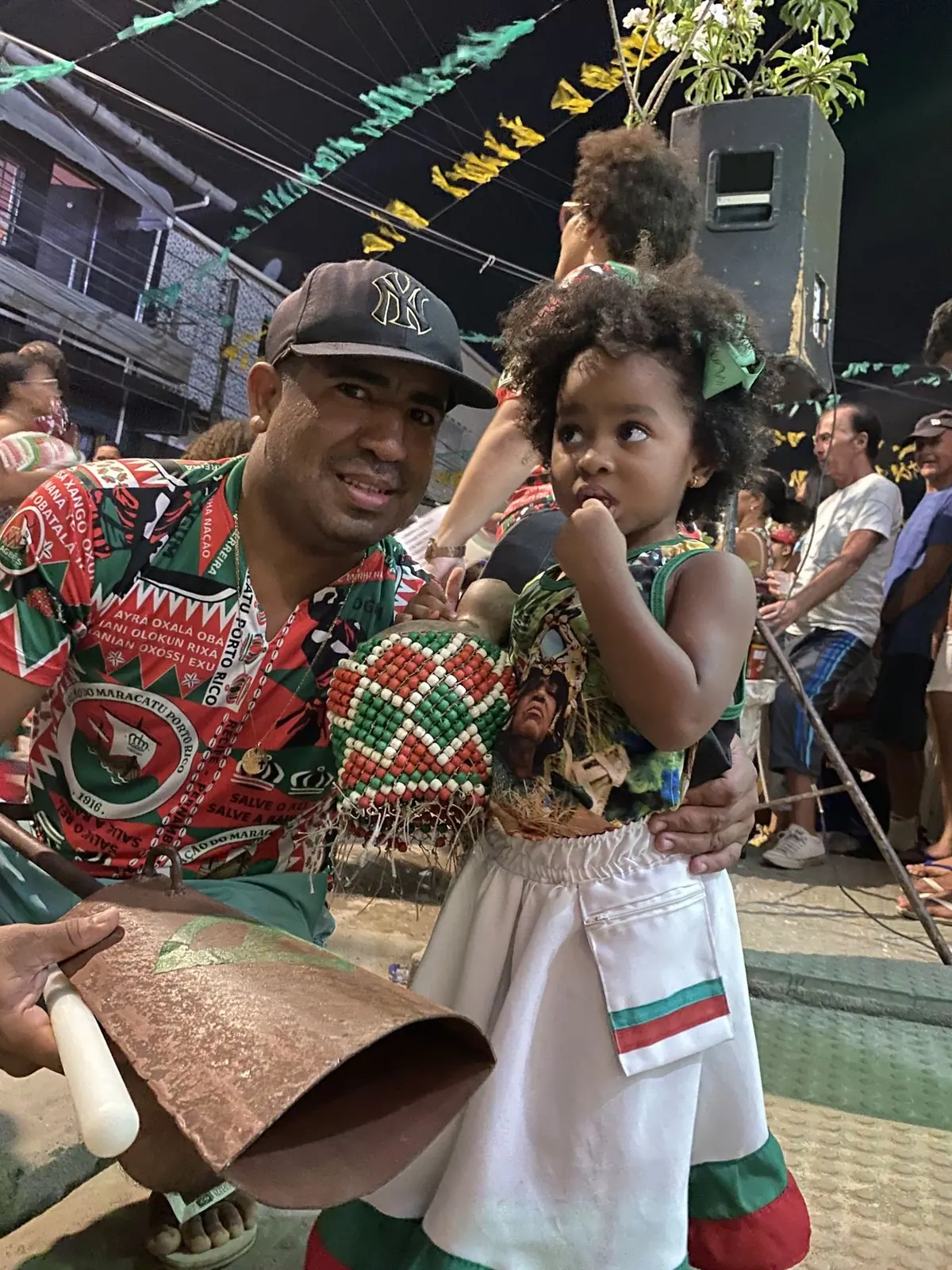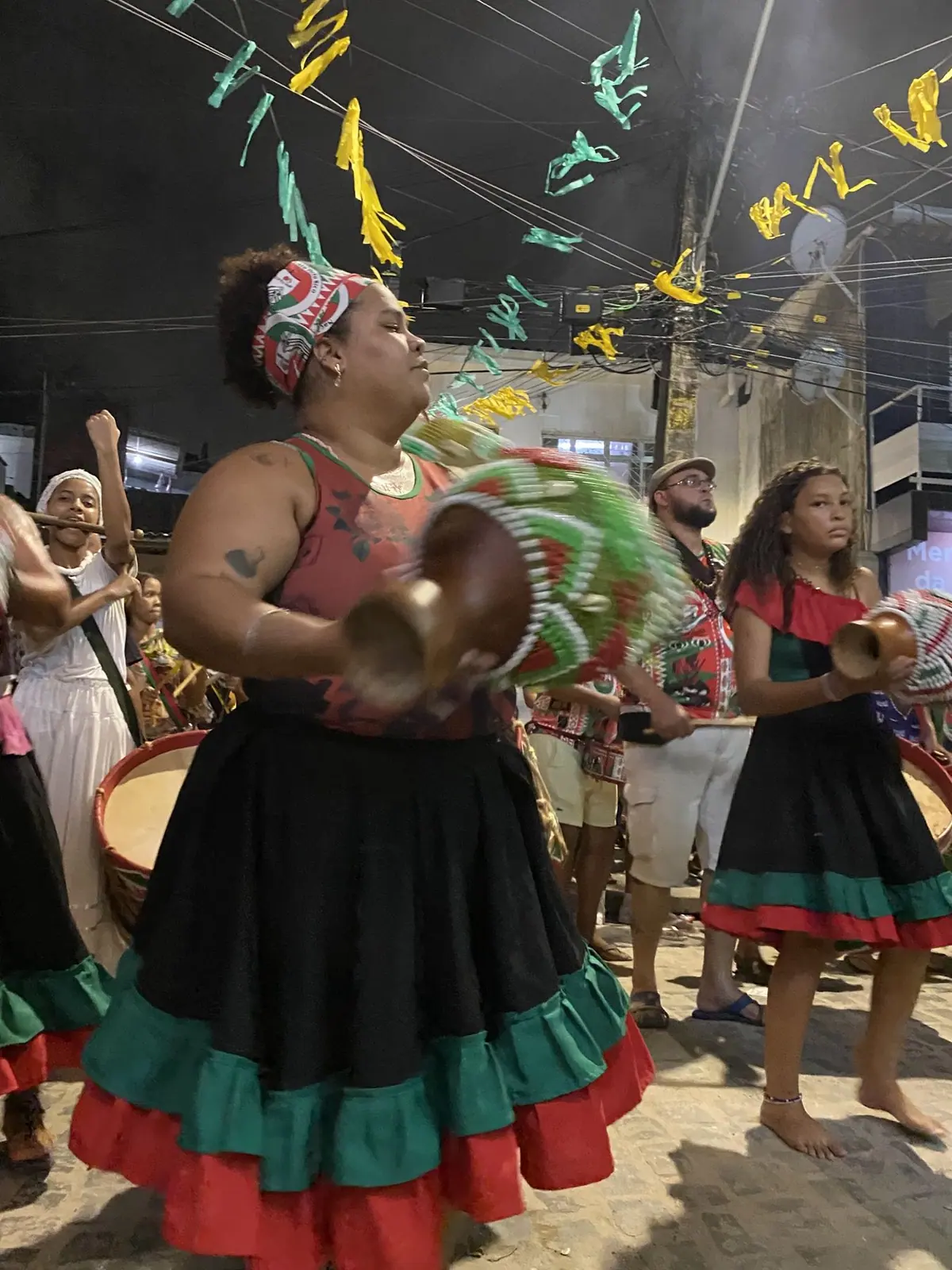
Culture, education and citizenship in the Comunidade do Bode.
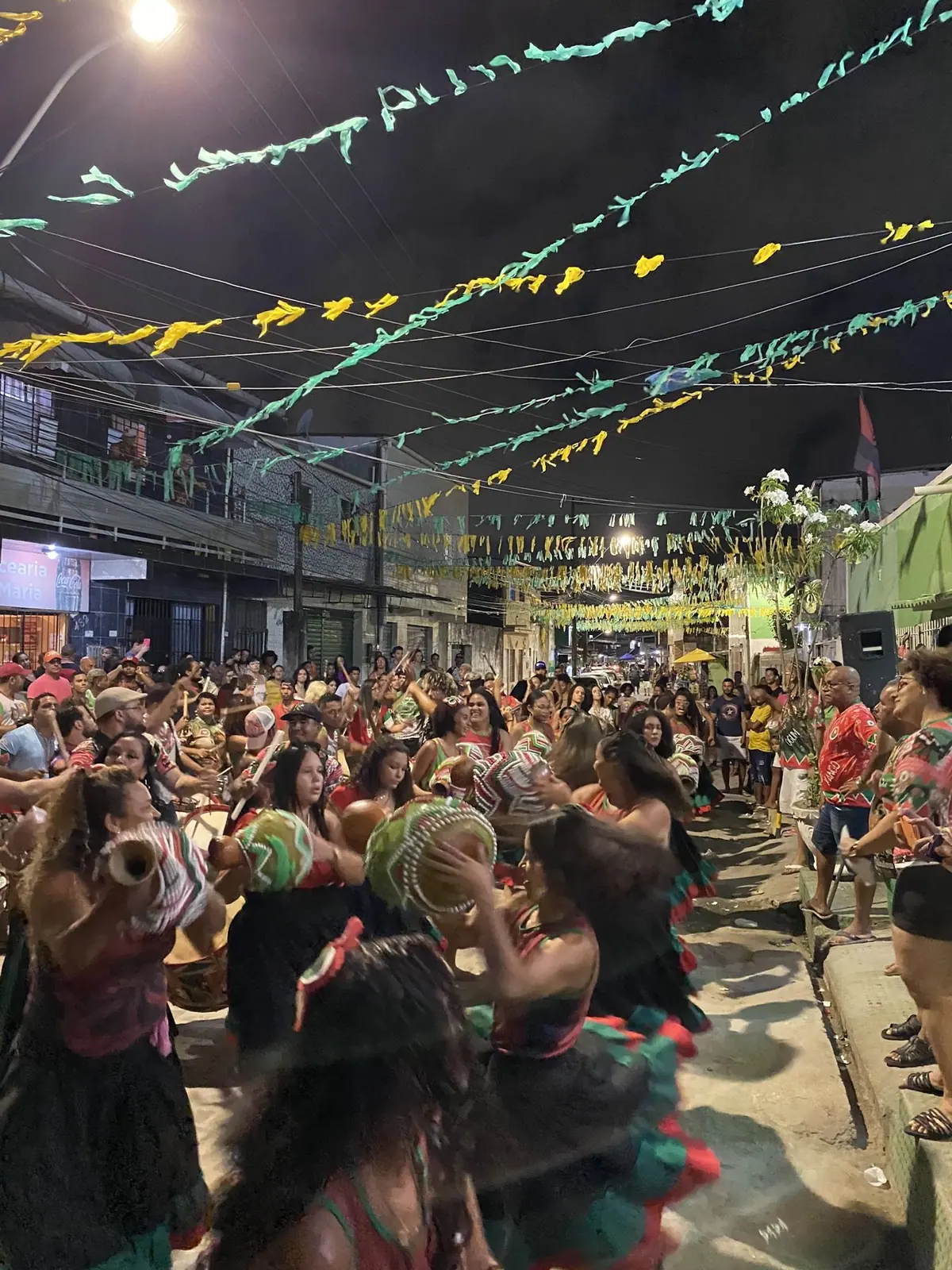
Behind the postcard of Boa Viagem beach, with its buildings and shops, lie the favelas, the stilt houses, a different world: the world of the Nação do Maracatu Porto Rico. Behind every house, many children, mouths, hearts and senses to feed.
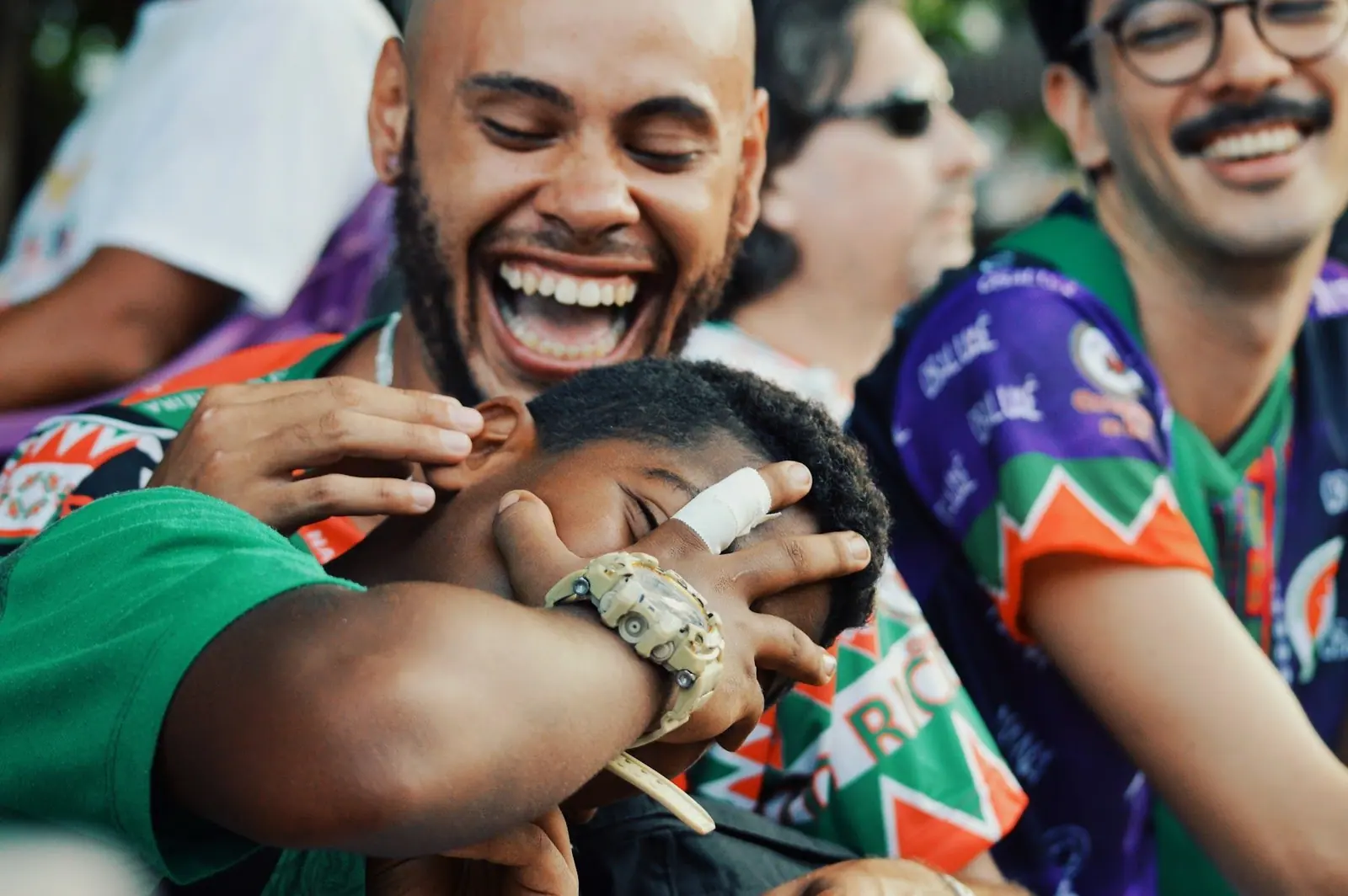
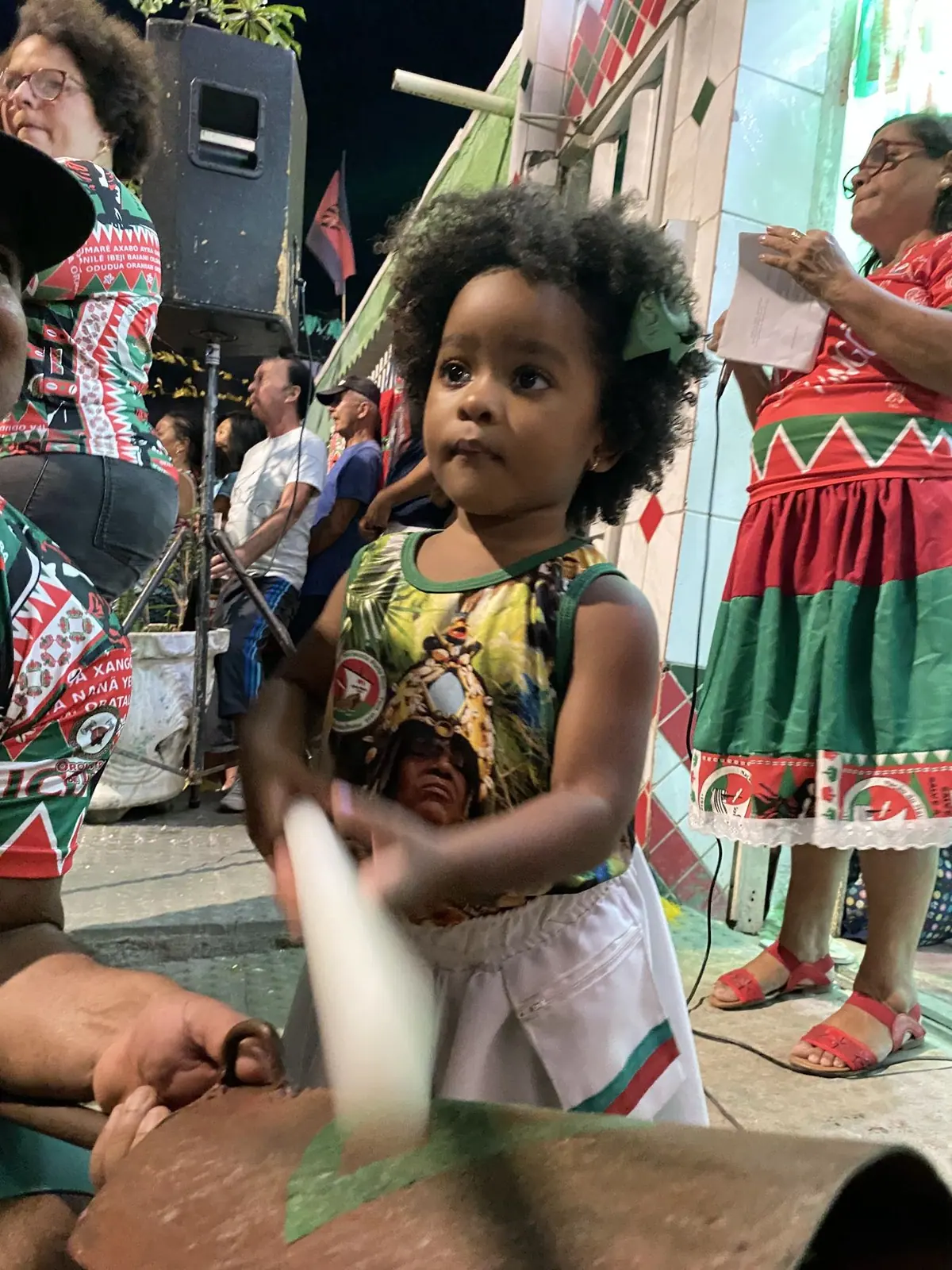
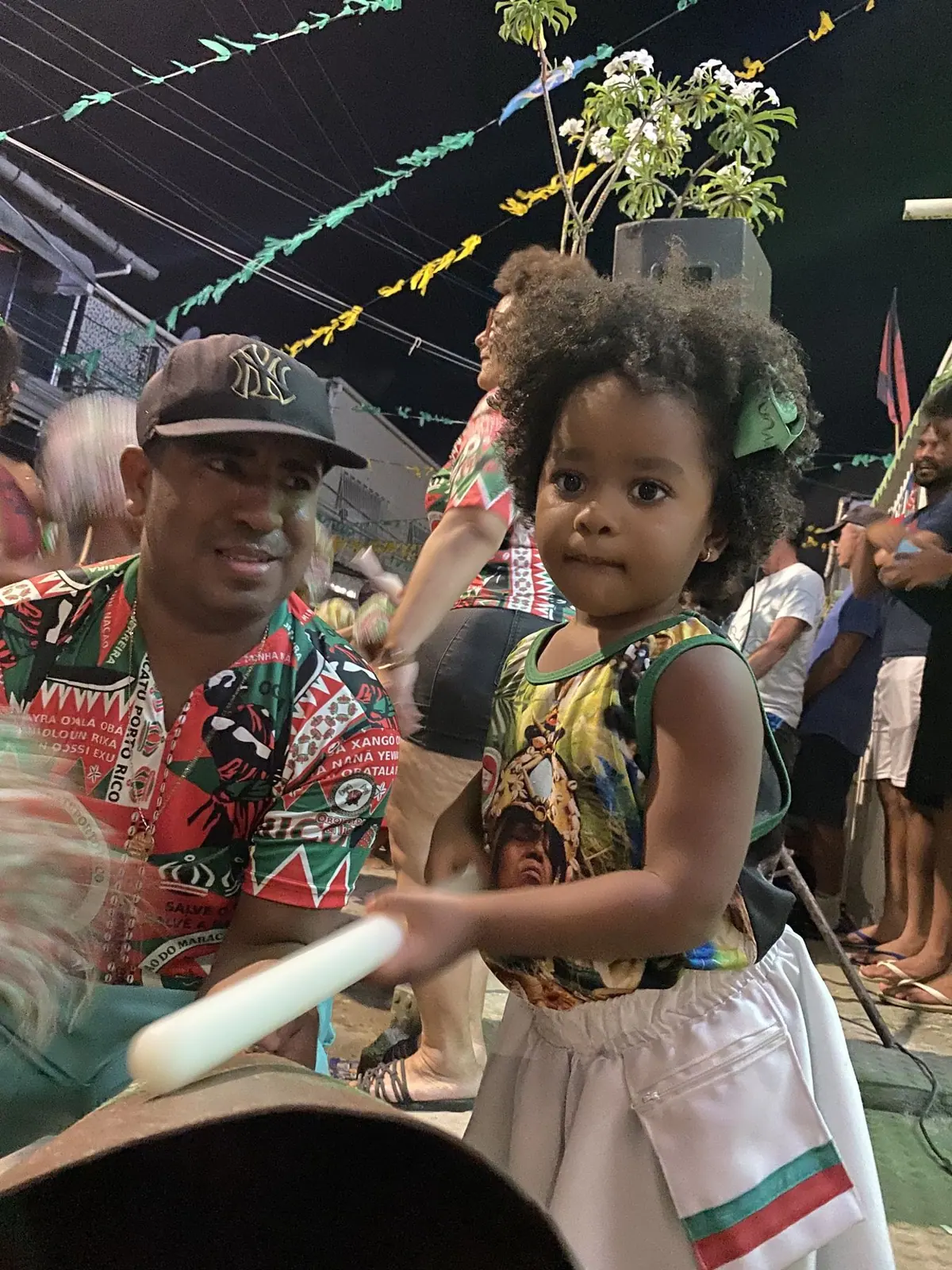
The Nação has always been open to the children of the community and, for generations, has been one of the few options for leisure and culture in Bode, in Pina, where it has had its headquarters since the days of Porto Rico do Oriente.
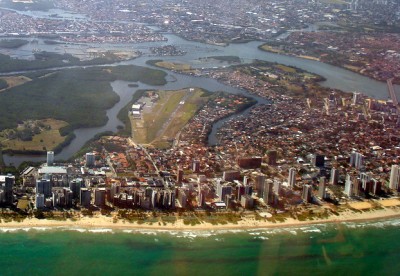
Pina is much older than the official records say. In colonial times, it was an island where sick enslaved Africans were kept before the slave ships docked at the port of Recife. Many pretended to stay ill to keep their freedom in a strange land. And so Pina grew, against the government's rules.
The neighborhood has always had the largest concentration of Afro-Brazilian religious communities in the city: one of the branches of Pernambuco's candomblé nagô came from there. In 1932, the government and the Diocese created the Parish of Pina as a means of control and catechism, and the church was built where the most traditional religious community stood. Families took refuge by the tide line to keep their traditions away from the eyes of the Church.
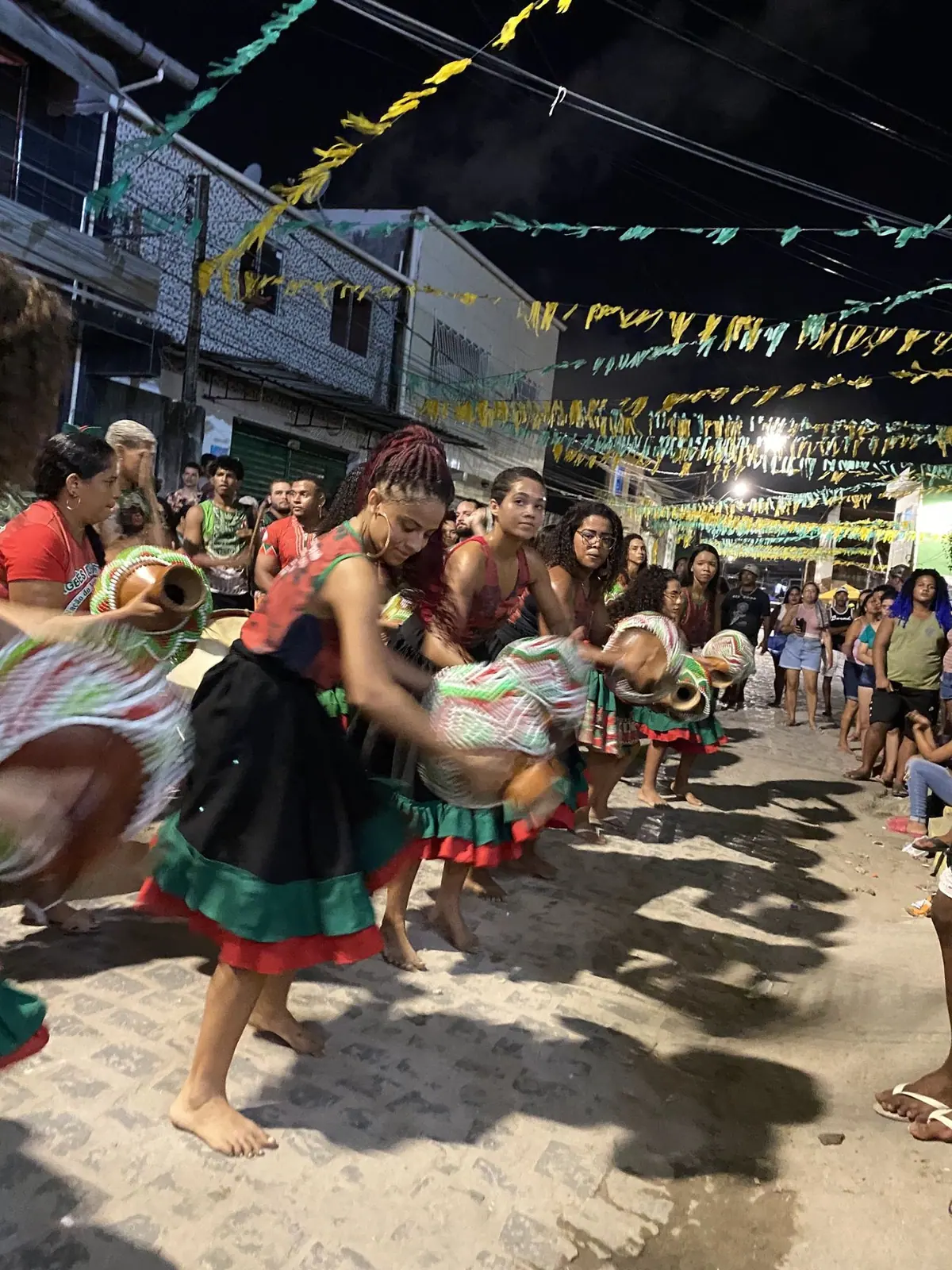
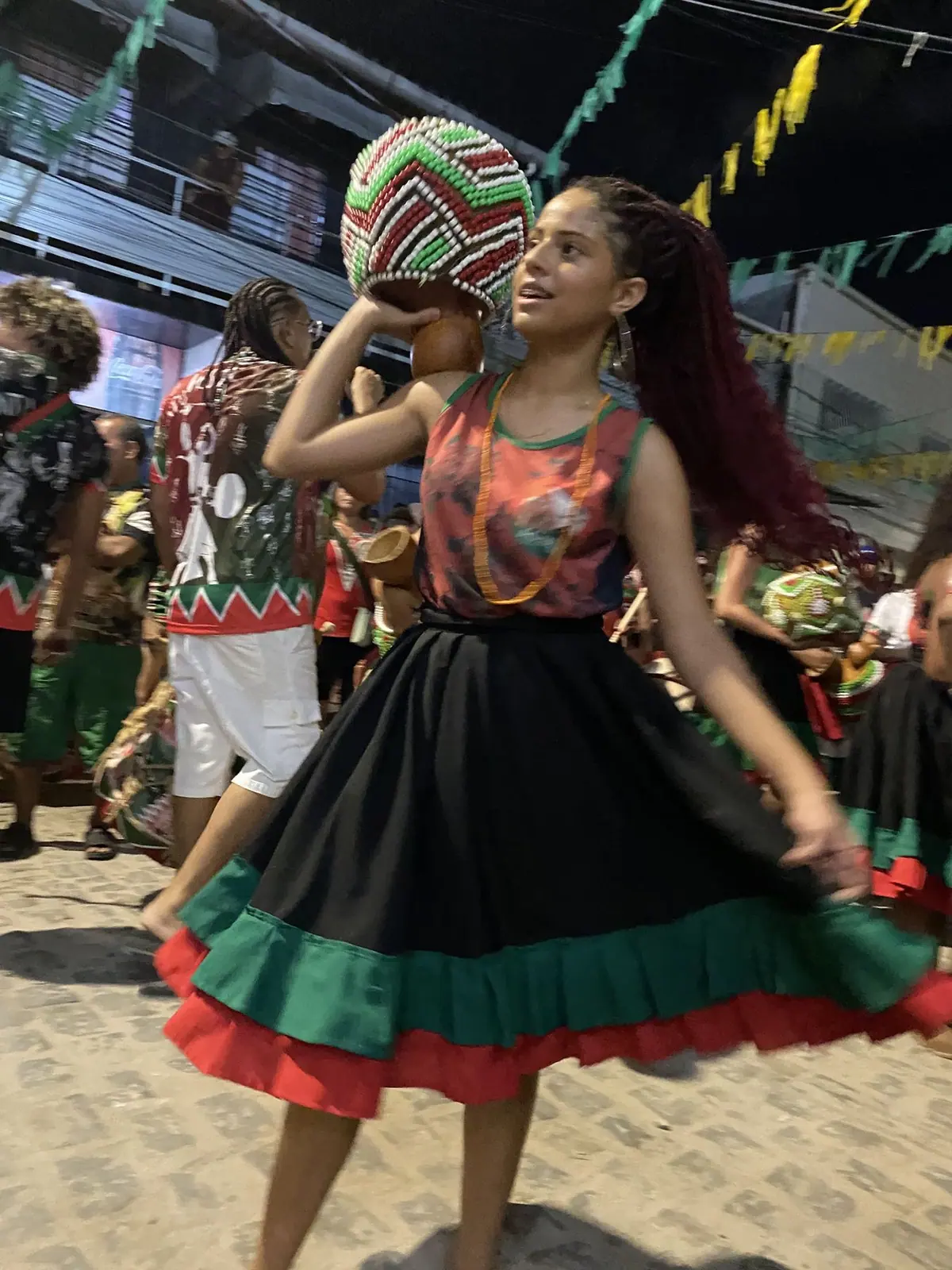
Today, with about 80,000 inhabitants, Pina deserves to be recognized as one of the largest urban quilombos of Recife. Its terreiros and traditional folk groups form one big family, in which each one takes part in the rites, celebrations and plays of the others.
The Comunidade do Bode is home to Nação do Maracatu Porto Rico and groups such as Mazuca da Quixaba.
In 2011, the Porto Rico broadened its responsibility for the future of the children of Pina by becoming a Ponto de Cultura, recognized by the Government of the State of Pernambuco. The headquarters was renovated and gained a computer lab, and the Nação began seeking support from companies and institutions to offer more education and culture to the community.
The Nação is also a Ponto de Memória (Memory Point), recognized by the Brazilian Institute of Museums, Ibram, of the Federal Government, for its work in keeping and sharing the memory of maracatu and of the Comunidade do Bode.
That same year, the children of the community went to the Teatro Apolo to see the play A Revolta dos Brinquedos.
The goal of the Ponto de Cultura is to make the headquarters a Cultural Center of Afro-Amerindian Traditions of Pernambuco, promoting the inclusion of Afro-descendant children, young people and adults through the memory of popular culture and the teaching of handcrafts.
During the COVID-19 pandemic, the Nação delivered food baskets and hygiene products to the Comunidade do Bode and created online maracatu classes that brought income to the batuqueiros and reached students in Brazil, England, Japan and the United States.
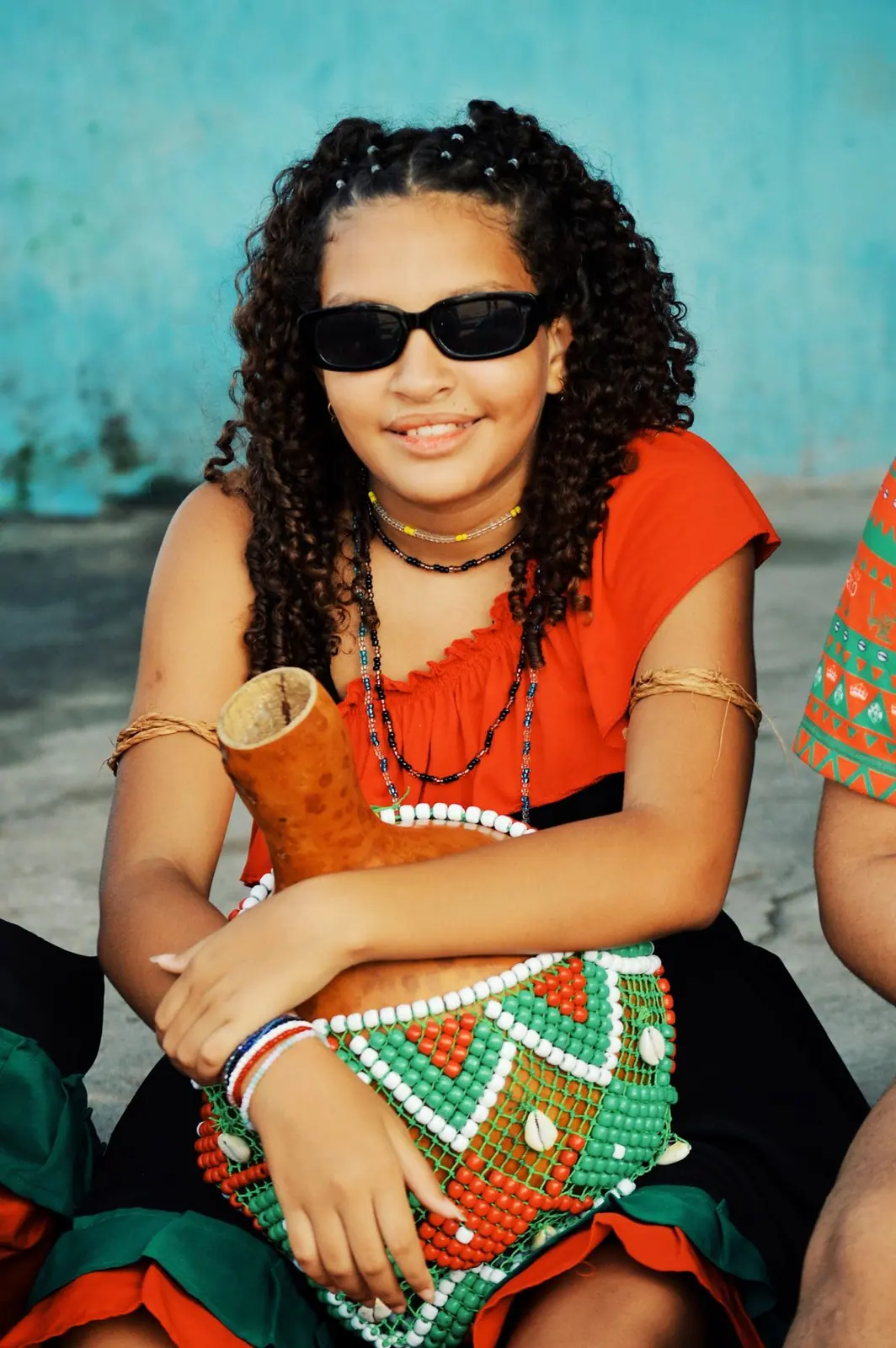
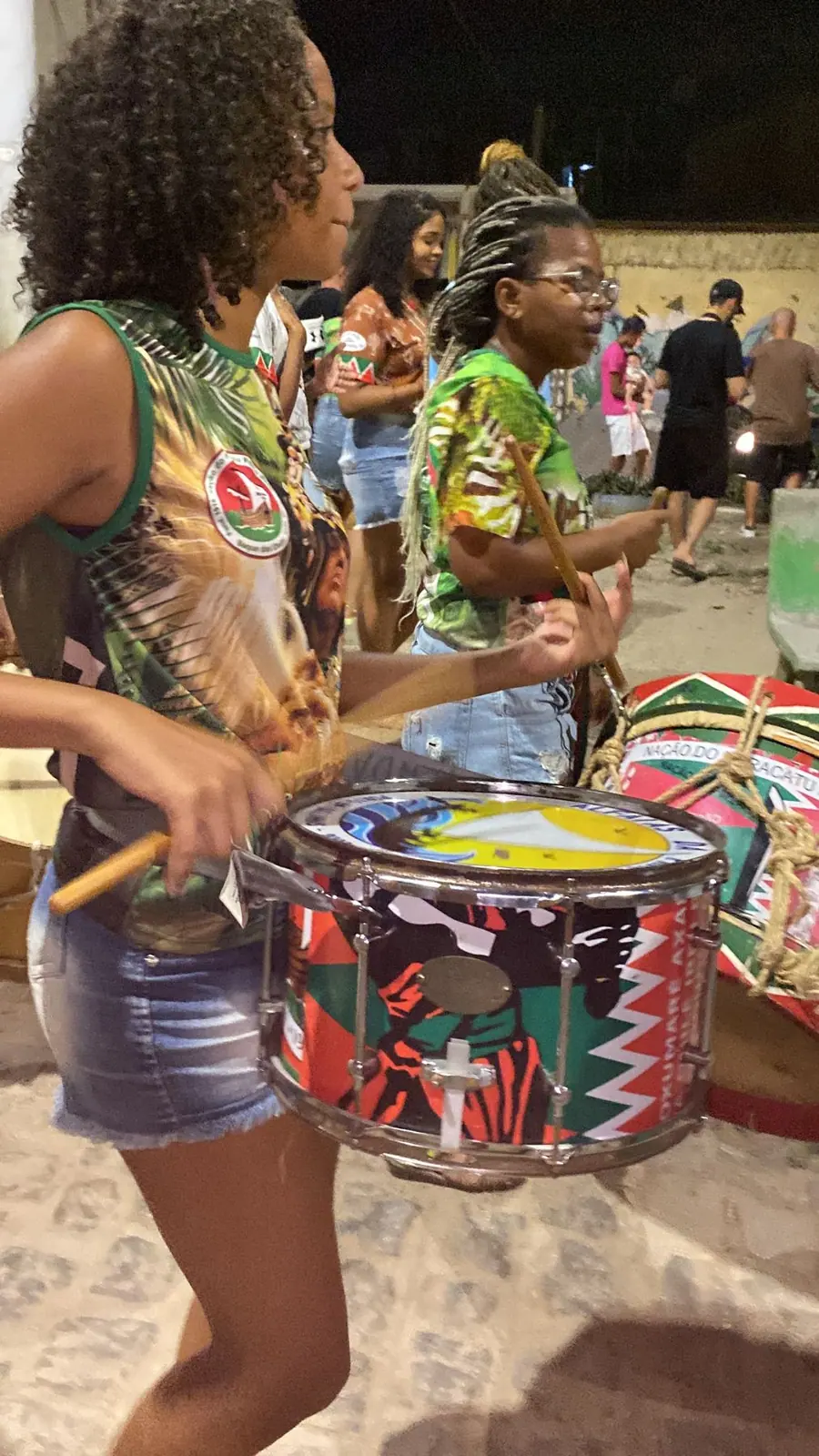
Children have been learning the baque since the 80s, at the school created by Mãe Elda. The Baque Mirim has existed since 1997.
Instruments and baques at the headquarters, with Mestre Chacon.
Pattern-making for Carnival costumes, since 2025, with support from Pernambuco's Secretariat for Women. See photos of the course
Ancestral knowledge and Afro-Brazilian culture, with UFPE.
Classes for the community's children, teenagers and young people that teach discipline, respect and citizenship.
A workshop for making props, from September until Carnival, to dress the Nação for the parade.
Workshops on making maracatu instruments, passing on the building techniques.
Tutoring for the children of the Bode and digital inclusion, with basic computing and audio and video skills.