Mãe Leu da Oxum

Ialorixá, Queen of Nação do Maracatu Porto Rico and president of Urso Zé da Pinga.

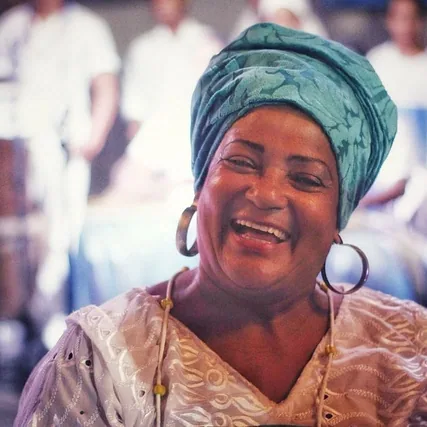
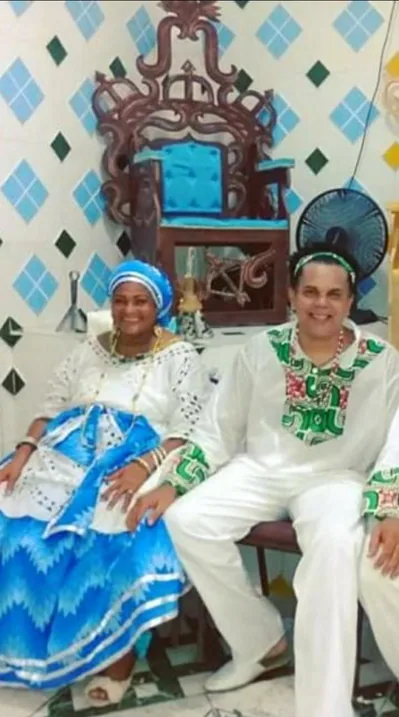
Mãe Leu sentada no Ylê com roupa de axé azul e branca, ao lado de um filho da casa
Mãe Leu at the Ylê
Edileusa Lira da Silva

Daughter of Oxum, guardian of axé

Edileusa Lira da Silva, known as Mãe Leu, is a religious, cultural and community leader in Recife, rooted in Afro-Brazilian traditions, the Jurema Sagrada, Maracatu Porto Rico and Urso Zé da Pinga. She was born on 25 September 1955, is a daughter of Oxum and began her spiritual path as a child.

She was trained by her mother, Mãe Elda Viana de Oxóssi, Ialorixá, Queen of Nação do Maracatu Porto Rico and leader of Ylê Axé Oxóssi Guangoubira until her passing in 2025. Mãe Elda is a landmark of Afro-Pernambucan culture and of the traditions of the Pina neighbourhood.

Today, with more than 50 years in the faith, Mãe Leu is Ialorixá of the Ylê, Queen of Maracatu Porto Rico and president of Urso Zé da Pinga, carrying on Mãe Elda's legacy. Her life shows the strength of Black women who guard spirituality, popular culture and the carnival traditions of Recife.
Mãe Leu at a glance

Paths of axé

Oxum

Head orixá

A daughter of Oxum, she began her spiritual path as a girl.

1955

Birth

Born on 25 September 1955.

50 years

In the faith

More than 50 years devoted to the orixás and the Jurema Sagrada.

Ylê

Ialorixá

She leads Ylê Axé Oxóssi Guangoubira, the house of Mãe Elda.

Nação

Queen

Queen of Nação do Maracatu Porto Rico, carrying on Mãe Elda's legacy.

Urso

President

She presides over Urso Zé da Pinga and takes it to many corners of Pernambuco.

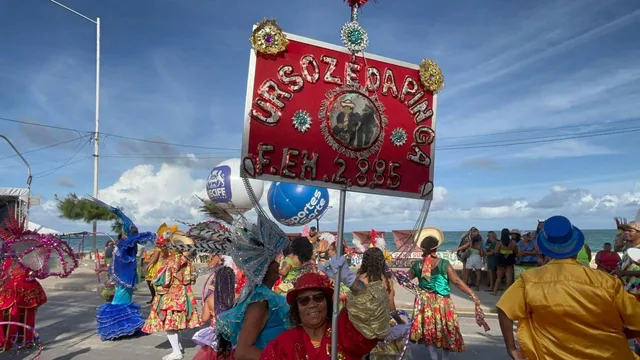
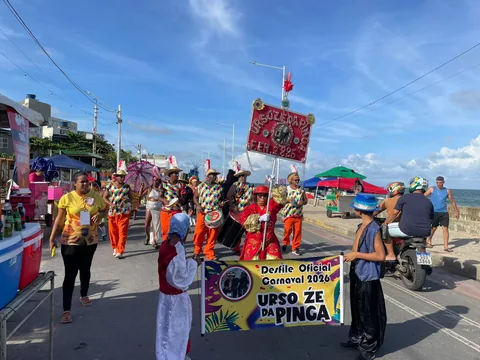
Estandarte vermelho do Urso Zé da Pinga no desfile na orla
The banner of Urso Zé da Pinga on the seafront.
A carnival group from Pina

Urso Zé da Pinga

Urso Zé da Pinga is a traditional carnival group from Pina, founded on 2 August 1985 by members of Ylê Axé Oxóssi Guangoubira, linked to the Jurema Sagrada.

The idea came from the house's bond with Mestre José da Pinga, spiritual patron of the Ylê. According to Mãe Leu, when she asked the Mestre about a celebration in his honour, she was inspired to create a bear. That is how Zé da Pinga was born, first as a community celebration and later as a carnival group.

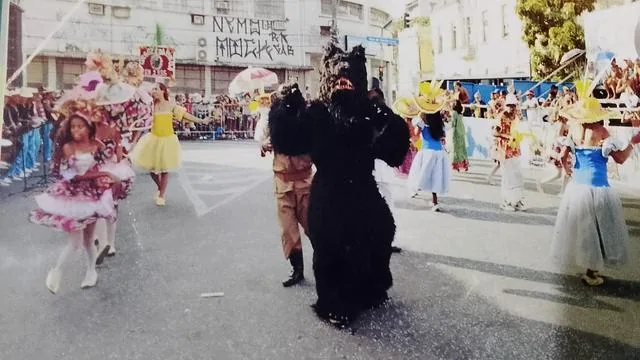
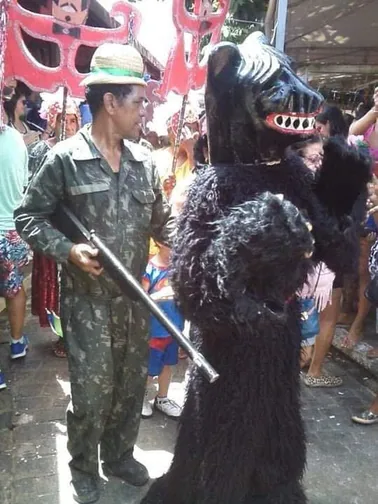
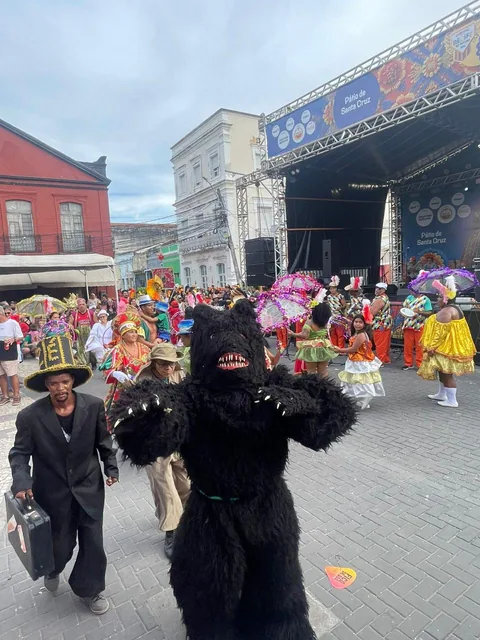
With the bear, the hunter and the gringo, it keeps alive the tradition of the carnival bears, joining spirituality, memory, irreverence and music. Besides the parades, it runs workshops on instruments, sewing, embroidery and costumes, passing knowledge from one generation to the next.

Timeline

The story of the Urso

1985

Founded

Born in Pina on 2 August, with the children of the Ylê, linked to the Jurema Sagrada.

Home

Street celebration

It goes around the Pina community and nearby neighbourhoods.

1992

Recife competition

It is invited to the Recife Carnival Groups Competition.

The 1990s

Characters

It shapes its identity with the Bear, the Hunter, the Gringo, the Negra Maluca and Mestre José da Pinga.

2005

Champion

First place in the Aspirante category of the Recife competition.

After 2005

Special Group

It joins the Special Group, among the leading bears of Pernambuco.

2019 and 2020

Meeting of the Bois

It takes part in the 2nd Meeting of Bois and Similar Groups of Pernambuco, held by FECBOIS in São Lourenço da Mata.

Today

Across the state

It parades in Recife, Caruaru, Prazeres, São Lourenço da Mata and at the Festa da Pitomba, led by Mãe Leu.

Mãe Leu and the Urso in photos

Mãe Leu da Oxum. Ialorixá of the Ylê and Queen of the Nação.

At the Ylê. Mãe Leu in her axé clothes.

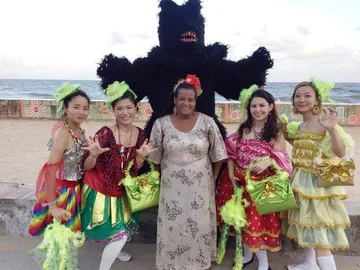
On the seafront. Mãe Leu with the Urso and costumed revellers.

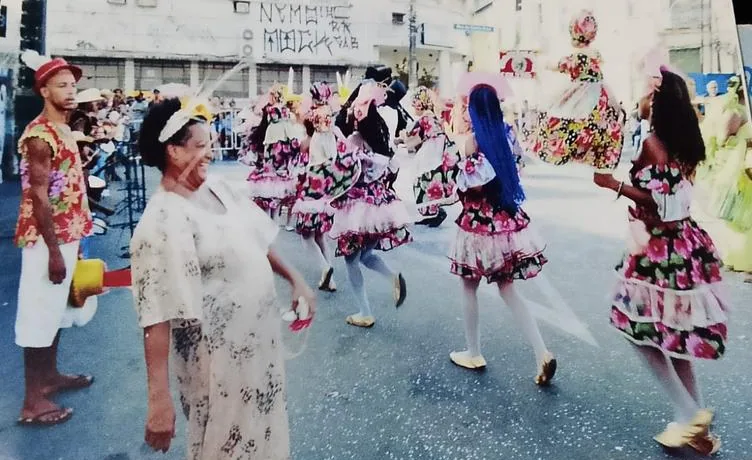
On the parade route. An old photo of Mãe Leu leading the Urso's ladies.

Memory. Urso Zé da Pinga on the Recife Carnival parade route, in an old photo.

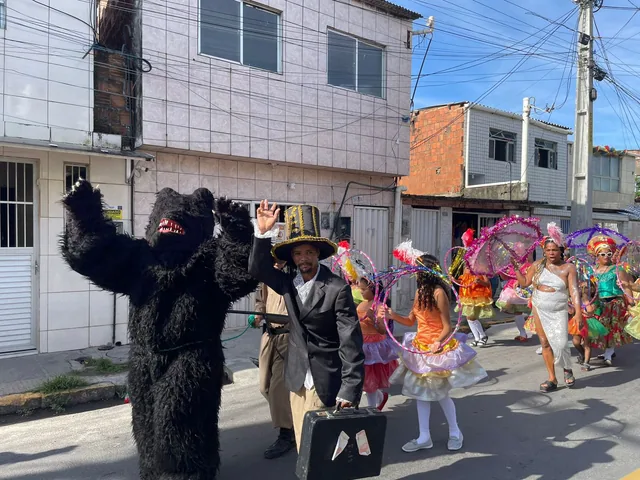
The bear and the hunter. Two traditional characters of the celebration.

Carnival 2026. The Urso in the official parade.

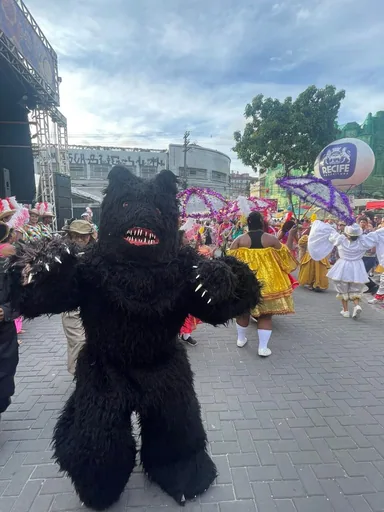
The bear and the gringo. In front of the Recife Carnival stage.

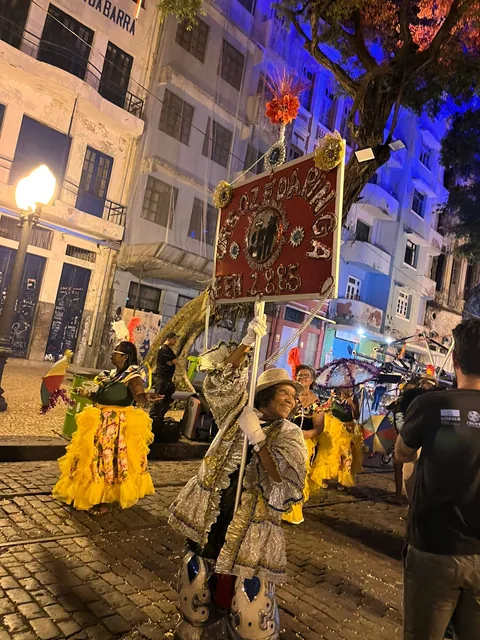
At night. The Urso's banner in the night parade.

The bear. The black plush costume that gives the celebration its name.

In Pina. The bear and the gringo on the neighbourhood streets.

The banner. Urso Zé da Pinga in the seafront parade.